How to Find Natural Wine Importers in China
Discover how to identify, evaluate, and partner with natural wine importers in China. Navigate GACC compliance, pricing models, and specialized distribution across Tier-1 and Tier-2 cities.
To find natural wine importers in China, producers must look beyond traditional high-volume commodity distributors and connect directly with boutique, specialist on-trade importers concentrated in tier-1 metropolises like Shanghai, Beijing, Shenzhen, and Guangzhou, as well as rising lifestyle hubs like Chengdu and Hangzhou. While China's overall commercial wine imports have undergone restructuring—with USDA Foreign Agricultural Service (FAS) reporting in 2025 that China imported approximately $1.6 billion in wine and related products in 2024 based on General Administration of Customs China (GACC) data—the natural, biodynamic, and low-intervention wine category represents a vibrant, premium sub-segment driven by urban Gen Z consumers, lifestyle bistros, and sophisticated sommelier networks.
Successfully entering this market requires understanding the distinct profiles of boutique Chinese importers, navigating strict import labeling and customs regulations, maintaining cold-chain integrity, and leveraging curated B2B platforms such as industry trade exhibitions and targeted business matching.
The Natural Wine Landscape in China: Understanding Demand Dynamics
The Chinese market for low-intervention, organic, and natural wines operates under very different commercial rules than mainstream commercial wine distribution. Mainstream import channels historically relied on traditional corporate gifting and formal banquet channels dominated by prestige regions like Bordeaux classed growths or mass-market table wines. In contrast, natural wine is sustained by independent bistros, lifestyle wine bars, specialty bottle shops, and vibrant digital communities.
According to the USDA FAS 2025 Wine Market Update, while conventional commercial wine volumes faced structural headwinds, consumer preferences in Tier-1 cities are actively diversifying toward alternative categories, with heightened interest in white, sparkling, and low-additive styles. Shanghai hosts one of Asia's dense concentrations of natural wine bars, concentrated across Jing'an, Xuhui, and the former French Concession, closely followed by Beijing, Shenzhen, and Chengdu.
Natural wine consumers in China skew younger (ages 23–38), female, and highly attuned to visual branding, environmental ethics, and gastronomic pairings. They consume wine in social, informal settings rather than traditional corporate banquets. Consequently, large, state-owned distribution conglomerates rarely provide the nuanced brand advocacy required for natural wine. Independent, category-specific wine merchants and dynamic regional distributors are the primary gateway to commercial traction.
Profiles of Natural Wine Importers in China
When mapping how to find natural wine importers in China, producers should evaluate three distinct buyer profiles:
1. Dedicated Boutique & Low-Intervention Importers
These specialized merchants exclusively curate organic, biodynamic, and natural portfolios. Often founded by sommeliers, foreign trade returnees, or lifestyle entrepreneurs, these companies maintain deep relationships with key opinion leaders (KOLs) on lifestyle platforms like Xiaohongshu (RED) and supply elite on-trade accounts. They operate on smaller order volumes (typically 600 to 2,400 bottles per SKU initially) but provide attentive brand positioning and passionate hand-selling.
2. Multi-Tier Fine Wine Merchants with Curated 'Green' Wings
Established fine wine merchants—ranging from national operations to coastal regional specialists—have added dedicated organic and low-intervention divisions to capture the younger demographic. While their core business may focus on classical estates, their specialized teams cater to five-star hotel lounges, creative fusion bistros, and modern fine-dining accounts.
3. Integrated Hospitality Groups (Direct-Import On-Trade Operators)
Due to changing licensing and customs facilitation policies, select restaurant-bar consortiums in Shanghai, Shenzhen, and Guangzhou import directly for their own venues and wholesale to peer establishments. Partnering with an integrated on-trade importer gives a winery immediate menu placement, active pouring programs, and authentic consumer visibility.
4 Practical Sourcing Strategies to Connect with Chinese Natural Wine Importers
Finding these specialized buyers requires a deliberate mix of digital verification, regional networking, and in-person professional trade exposure.
1. Target Trade Fairs with Active Specialist Pavilions
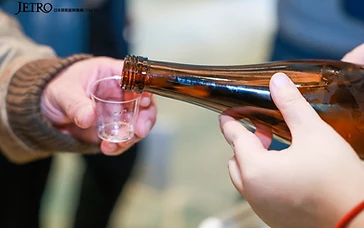
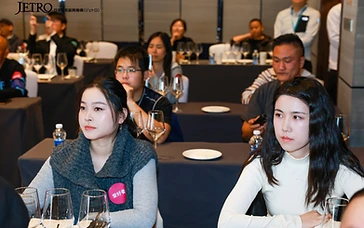
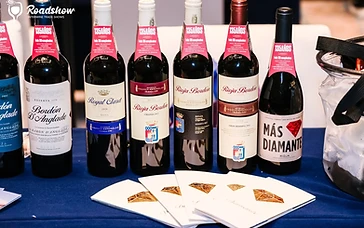
Face-to-face interaction remains central to establishing guanxi (commercial trust and long-term partnership). Participating in premier professional platforms like Interwine Events and reserving a booth when you become an exhibitor positions your portfolio directly in front of pre-screened regional distributors and natural wine buyers across Southern and Eastern China. Physical exhibitions allow buyers to experience tactile packaging, evaluate stability, and taste unadulterated profiles firsthand.
2. Audit Urban Wine Lists and Sommelier Networks
Conduct targeted research into beverage programs at leading natural wine bistros in Shanghai, Chengdu, and Shenzhen. Importer and distributor details are printed on mandatory back labels under Chinese customs requirements. Reviewing supplier portfolios of prominent dining venues reveals which importers possess active distribution licenses, refrigerated warehousing, and reliable delivery channels.
3. Engage Through Professional B2B Matchmaking and Industry Directories
Instead of cold-calling mass databases, focus on pre-qualified supplier-buyer platforms. Utilizing structured business matching services reduces commercial prospecting time by pairing natural producers with importers actively seeking low-intervention SKUs. Reviewing detailed resources like the Exhibitor Directory gives valuable benchmarking on competitive landscape pricing and regional importer representation.
4. Monitor Specialized Social Commerce and Lifestyle Channels
Platforms like Xiaohongshu (RED) and WeChat official channels serve as the digital storefronts for natural wine merchants. Importers actively showcase new arrivals, natural wine fairs, producer masterclasses, and tasting dinners. Engaging with importer accounts across these platforms offers direct visibility into their aesthetic philosophy and brand portfolio balance.
Commercial, Regulatory, and Logistics Realities
Before signing distribution contracts, overseas natural wine producers must prepare for specific technical and regulatory realities unique to the Chinese market.
GACC Producer Registration (Decree 248/249)
All overseas alcoholic beverage production and storage facilities must be registered with the General Administration of Customs of China (GACC) under Decrees 248 and 249 before dispatching shipments. The registration code issued by GACC must be clearly stated on commercial documentation and outer cartons. Importers cannot clear shipments through customs without this credential.
Labeling and Additive Regulations (GB Standards)
China enforces strict national food safety standards (GB Standards). Every bottle must feature a compliant Simplified Chinese back-label detailing:
- Generic and commercial designation
- Country of origin
- Ingredients (e.g., grape juice, sulfur dioxide)
- Alcohol by volume (ABV)
- Bottling date and shelf-life indications
- Importer/Distributor Chinese company name, address, and local contact details
- Mandatory health warning notifications
Natural wines with minimal added sulfur dioxide must still clearly declare sulfites if levels exceed national thresholds. Furthermore, terms like "organic" (有机) cannot be used on retail labels without certification accredited by the Certification and Accreditation Administration of the People's Republic of China (CNCA), regardless of existing European or USDA organic certifications.
Tariff and Landed Cost Structures
According to exporter insights documented by BestWineImporters in 2026, standard bottled wine entering mainland China faces a cumulative tax burden combining customs duty (approximately 14% for standard MFN origins), Value-Added Tax (VAT at 13%), and Consumption Tax (10%), which together compound to roughly ~50% over the Cost, Insurance, and Freight (CIF) value. Note that bilateral free-trade arrangements alter customs duties—for instance, MSA Advisory highlighted in 2026 that Australian wine tariffs returned to 0% duty status following China's tariff removal in March 2024. Importers and producers must calculate landed retail pricing carefully: a bottle leaving the cellar at €5–€8 typically retails in Chinese bistros for 280–420 RMB ($38–$58 USD) once domestic freight, importer margins, and on-trade beverage markups are factored in.
Temperature-Controlled Cold-Chain Integrity
Natural wines with low or zero added sulfites are exceptionally vulnerable to temperature fluctuations during maritime transport and mainland transit. Professional Chinese importers must demonstrate dedicated reefer container (refrigerated ocean transport) protocols and climate-controlled domestic warehousing in bonded and domestic hubs. Shipping unfiltered, low-intervention wine in standard dry containers risks microbial spoilage and bottle re-fermentation under humid summer conditions in Southern China.
Conclusion: Accelerating Your Route to Market
Finding the right natural wine importer in China requires shifting away from high-volume mass-market expectations toward targeted, quality-driven partnerships. Importers in this segment look for passionate producer engagement, distinct packaging design, reliable cold-chain coordination, and genuine terroir narratives that resonate with China's urban lifestyle consumers.
To meet vetted importers face-to-face, test your portfolio with regional sommeliers, and establish lasting distribution across China's major metropolitan areas, take concrete commercial action today: learn more about current trends through Market Insights and apply to become an exhibitor at Interwine.
Sources
- USDA Foreign Agricultural Service: Wine Market Update 2025 (China) (Published September 2025)
- BestWineImporters: A Wine Exporter’s Guide to Finding Buyers in China and Working with Chinese Wine Importers (Published June 2026)
- MSA Advisory: Wine Market in China: Trends, Growth, and Consumer Preferences (Published July 2026)
- Vino Joy News: China's Leading Wine Importers and Market Trends (Published 2024–2026)
Key Takeaways
- —China's natural wine market is concentrated in Tier-1 metropolises (Shanghai, Beijing, Shenzhen, Guangzhou) and lifestyle hubs like Chengdu.
- —Boutique, sommelier-founded distributors and direct-import on-trade groups are preferred over mass-market commercial wine importers.
- —Producers must register facilities under GACC Decrees 248/249 prior to export and comply strictly with GB label standards.
- —Cumulative import taxes (Duty, VAT, Consumption Tax) add roughly 50% to CIF costs, requiring careful margin modeling for on-trade bistros.
- —Uncompromising temperature-controlled reefers and climate-controlled domestic warehousing are vital to preserve low-sulfite wines.
- —In-person trade presence at industry exhibitions and structured business matching provide the most reliable path to vetted importers.
Frequently Asked Questions
Can I sell natural wine as certified 'organic' on the Chinese label?
No, overseas organic certifications (such as EU Organic or USDA Organic) are not automatically recognized in China. To label your product as organic ('有机') in Simplified Chinese, you must obtain certification through an accredited Chinese certification body (CNCA). Many producers choose to highlight natural production narratives in back-label copy or marketing without using the official Chinese organic claim.
What is the typical opening order size for boutique Chinese natural wine importers?
Specialized natural wine importers in China typically start with trial orders between 600 to 2,400 bottles per SKU, often combining multiple references into a consolidated refrigerated container (LCL or mixed FCL) to gauge on-trade bistro feedback.
Are cold-chain containers strictly necessary for shipping natural wine to China?
Yes. Natural, unfined, and low-sulfite wines are highly sensitive to temperature variations. Passing through tropical ocean lanes and arriving at ports in Southern or Eastern China during warm months without temperature-controlled reefers (maintaining 12°C–16°C) can cause clouding, oxidation, and refermentation.
What import taxes apply to bottled wine arriving in mainland China?
Bottled still wine imported into China is subject to an import duty (most-favored-nation rate is typically 14%, though 0% under certain bilateral free-trade pacts like Australia or Chile), a 13% Value-Added Tax (VAT), and a 10% Consumption Tax, compounding to an effective cumulative tax rate of roughly 50% above CIF cost.
How do Chinese importers promote natural wines to domestic consumers?
Natural wine importers rely heavily on digital lifestyle storytelling on platforms like Xiaohongshu (RED) and WeChat, combined with offline sommelier tastings, pop-up wine fairs, and targeted placements in modern urban bistros.