Non-Alcoholic Wine Distribution Opportunities in the Chinese Market
Discover how non-alcoholic wine producers and exporters can unlock distribution opportunities in mainland China, navigating business banquet culture, customs regulations, and omnichannel distributor networks.
The global surge in low- and no-alcohol (LoNo) beverages has reached mainland China, creating a high-margin, specialized segment for international producers. As commercial wine sales face structural shifts across tier-1 and tier-2 urban centers, zero-alcohol wine—variously classified as dealcoholized wine or non-alcoholic fermented grape beverages—is transitioning from a niche curiosity to an essential portfolio asset. For brand owners and wineries seeking commercial expansion, identifying viable non alcoholic wine distribution opportunities in the chinese market requires understanding distinct cultural consumption rituals, complex customs classifications, and specific distributor archetypes.
The Cultural Engine: Business Banquets, Optics, and Moderate Drinking
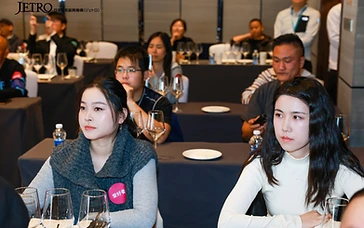
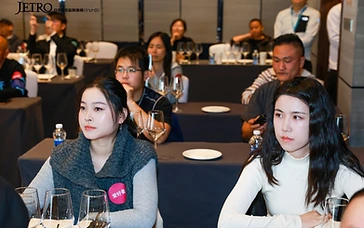
Unlike Western markets, where non-alcoholic wine adoption is driven primarily by wellness-oriented Gen Z demographics and active lifestyle routines, China's core demand originated in executive hospitality. As reported by Vinexposium in late 2025, commercial demand in China centers around business banquets, formal networking occasions, and corporate dining.
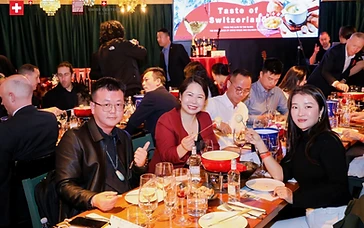
Chinese corporate culture places heavy emphasis on the banquet table, where ceremonial toasting (ganbei) cements personal and professional trust (guanxi). However, stricter regulatory scrutiny on official entertainment, rigorous anti-drunk driving laws, and rising health-conscious dining habits have altered dynamic corporate behavior. Business leaders, public figures, and designated drivers routinely seek refined solutions that preserve the optics of drinking traditional fine wine without consuming ethanol.
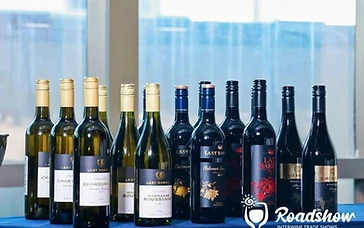
According to market feedback gathered by Vino Joy News in 2024, importers identify bottle presentation as a critical success factor: packaging must closely mimic premium alcoholic wine bottles, cork closures, and label aesthetics. A glass poured with dealcoholized Cabernet Sauvignon or sparkling Chardonnay maintains the social stature required at the table, allowing guests to toast repeatedly without loss of decorum or sobriety.
Beyond corporate banquets, domestic consumption is expanding among affluent urban demographics in cities like Shanghai, Guangzhou, Chengdu, and Shenzhen. Young female professionals, pregnant consumers, and fitness-conscious urbanites are seeking premium, low-sugar evening drinks, creating secondary off-premise sales momentum via boutique retail and direct-to-consumer digital channels.
Regulatory Classification, Customs Compliance, and Labeling
Distributing non-alcoholic wine into mainland China requires strict adherence to customs regulations, food safety national standards (GB standards), and General Administration of Customs of China (GACC) protocols. Brands must navigate clear distinctions between traditional alcoholic beverages and non-alcoholic drinks.
Traditional wines fall under Chapter 2204 of the Harmonized System (HS) code, which mandates alcohol content thresholds. By contrast, dealcoholized or alcohol-free wines—frequently carrying an ABV between 0.0% and 0.5%—may be categorized under HS code 2202 (beverages, non-alcoholic) or processed as dealcoholized fermented grape beverages depending on local customs classification. As outlined by ChemLinked Food Regulatory Intelligence, imported food and beverage products require precise compliance in:
- GACC Single Window Registration: Overseas production facilities must obtain an approved GACC manufacturer registration code before dispatching shipments to Chinese ports.
- National Standards Compliance (GB Standards): Products must comply with standard food additive limitations (GB 2760), safety limits for contaminants, and microbiological criteria.
- Chinese Back-Labeling: Chinese labels must detail legal product denomination, list of ingredients in descending order of weight, net volume, origin country, shelf life, storage conditions, nutritional information panel (Energy, Protein, Fat, Carbohydrate, and Sodium), and the contact details of the registered Chinese domestic importer.
- Sugar Content Disclosures: According to national beverage industry trends reported in Statista in 2025, consumer scrutiny over zero-sugar and low-calorie claims is rigorous. When dealcoholization processes leave residual sugars to maintain mouthfeel, total carbohydrates must be accurately documented to satisfy food safety auditors.
Navigating these regulatory nuances ensures shipments clear port customs smoothly and avoids costly detention or relabeling at Chinese bonded warehouses.
Strategic Distributor Segments for Non-Alcoholic Wine
Traditional wine importers who focus solely on high-volume, bulk red wines often struggle to position zero-alcohol alternatives. To succeed, overseas brands must partner with distributors possessing tailored route-to-market channels:
1. Specialized Corporate Dining and HoReCa Wholesalers
Distributors supplying high-end Cantonese, Huaiyang, Sichuan, and Western fine-dining restaurants represent the primary target. These buyers look for non-alcoholic sparkling wines and structured whites that act as premium table centerpieces and high-margin food-pairing choices for corporate hosts.
2. Premium Supermarket and Boutique Grocers
Upscale retail networks like Ole', City'super, Sam's Club, and premium lifestyle department stores cater to health-conscious domestic households. These retailers provide high shelf visibility and in-store sampling counters, essential for overcoming consumer skepticism regarding taste and body.
3. Cross-Border and Domestic E-Commerce Operators
Online retail on platforms such as Tmall Global, JD.com, and Douyin represents a vital awareness-building channel. E-commerce partners utilize live streaming and creator endorsements to educate consumers on vacuum distillation and spinning cone column dealcoholization technologies, justifying a premium price point compared to generic grape juice.
To discover leading buyers and review market demands across these sectors, international producers consult Interwine's Market Insights and study previous partner profiles in the Exhibitor Directory.
Commercial Positioning: Pricing, Sensory Value, and Education
One significant commercial obstacle identified by Chinese importers is pricing perception. In the traditional wine sector, taxation—including Most-Favored-Nation (MFN) tariffs, consumption tax, and VAT—heavily influences landed cost. While non-alcoholic drinks may be exempt from the traditional 10% consumption tax applied to alcoholic grape wine, production costs for advanced dealcoholization (such as spinning cone columns) remain high.
Producers must avoid positioning non-alcoholic wine as an inexpensive soft drink alternative. Doing so risks direct competition with mass-market RTDs and soft drinks. Instead, brands should employ the following commercial levers:
- Varietal Authenticity: Clearly highlight classic grape origins (e.g., dealcoholized German Riesling, French Merlot, or Australian Shiraz) to signal vinous pedigree.
- Sommelier-Endorsed Food Pairings: Supply banquet organizers and restaurateurs with sensory tasting notes that demonstrate pairing viability with complex Chinese cuisines.
- Functional and Low-Calorie Messaging: Emphasize zero alcohol, low calories, and clean-label integrity to appeal to wellness trends in Tier-1 cities.
Engaging the China Market via INTERWINE
Securing dependable distribution agreements in mainland China requires direct face-to-face interaction, high-level relationship cultivation, and physical tastings that prove sensory parity with traditional wines. Wine importers cannot purchase non-alcoholic alternatives solely based on a digital spec sheet; they must evaluate acidity, texture, and packaging in person.
As southern China's leading international wine and spirits exhibition, INTERWINE connects global brands with qualified regional distributors, corporate procurement officers, and hospitality buyers across the Greater Bay Area and national markets. Category leaders interested in expanding their distributor footprint are invited to Become an Exhibitor to secure dedicated exhibition space and access curated Business Matching services designed to pair overseas wineries with licensed commercial buyers.
Conclusion
Non-alcoholic wine in China is transitioning from a fringe curiosity to an indispensable commercial category. For global producers possessing advanced dealcoholization capabilities and premium packaging, the combination of business banquet etiquette, driver safety requirements, and urban wellness represents an exceptional growth window. Strategic brand owners who master GACC regulatory standards and connect with forward-thinking Chinese distribution networks will capture prime market share in this rapidly evolving space.
Sources
- Vinexposium: Why China's Non-Alcoholic Wine growth is different (2025)
- Vino Joy News: Is China Embracing the Non-alcoholic Wine Trend? (2024)
- ChemLinked: China Alcoholic Drink and Food Import Regulations
- Statista: Non-Alcoholic Beverages in China Industry Overview (2025)
Key Takeaways
- —Non-alcoholic wine consumption in China is propelled heavily by business banquet hospitality, where executives require alcohol-free options that look like traditional wine.
- —Importing dealcoholized wines into China involves distinct HS code classification, mandatory GACC facility registration, and strict adherence to GB food additive standards.
- —Channel distribution is bifurcated between high-end HoReCa/banquet wholesalers and lifestyle e-commerce/boutique retail platforms.
- —Maintaining authentic wine packaging, glass corkage, and vinous taste profiles is essential to justify premium retail price points in China.
- —Direct offline tasting sessions and targeted business matching are vital for convincing Chinese distributors to take on low-and-no wine stock.
Frequently Asked Questions
What is driving non-alcoholic wine consumption in China?
Unlike Western markets driven primarily by Gen Z wellness trends, non-alcoholic wine in China is significantly driven by corporate dining and business banquets. Executives and professionals use alcohol-free wine to participate in ceremonial toasts (*ganbei*) and maintain social optics while avoiding alcohol due to health concerns or strict drunk-driving regulations.
How are non-alcoholic wines classified by Chinese Customs (GACC)?
Depending on residual alcohol levels (ABV) and manufacturing methods, non-alcoholic wines (under 0.5% ABV) are typically regulated as non-alcoholic beverages rather than standard grape wine (HS Chapter 2204). Exporters must ensure their production facilities hold active GACC Single Window registration and meet GB food safety, additive, and labeling standards.
Which distribution channels work best for zero-alcohol wine in China?
The most effective channels are specialized corporate banquet and fine-dining HoReCa suppliers, premium lifestyle supermarkets (such as Ole' and City'super), and social commerce channels like Douyin and Tmall Global, which facilitate direct consumer education.
Why is physical packaging so critical for non-alcoholic wine in the Chinese market?
In formal hospitality settings, 'face' (*mianzi*) and status are paramount. Bottles must closely mirror the look, feel, and corkage of high-end traditional wines so participants can toast comfortably without signaling personal limitations to other diners.
How can foreign producers connect with vetted Chinese wine distributors?
Participating in major international industry expos such as INTERWINE provides foreign brands with direct access to regional wine distributors, HoReCa purchasers, and pre-scheduled B2B business matching sessions across southern China and nationwide.