How to Find Wine Importers and Distributors in Chongqing
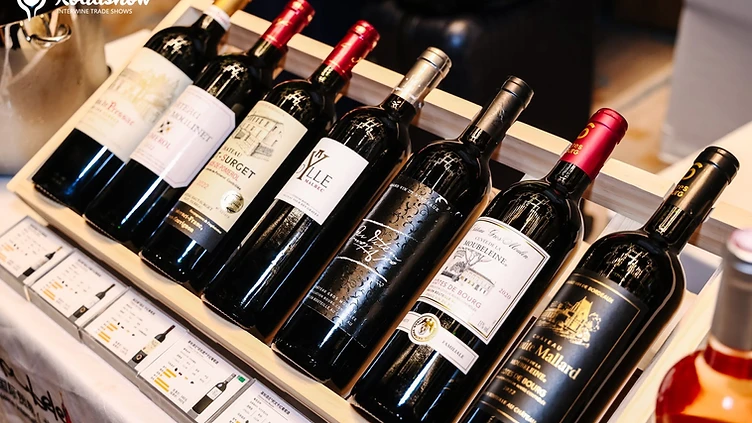
A commercial roadmap for wineries and wine exporters looking to identify, evaluate, and partner with licensed wine importers and regional distributors in Chongqing's booming inland market.
To find wine importers and distributors in Chongqing, international wineries must bypass the oversaturated coastal gateway cities and connect directly with Southwest China’s inland distribution ecosystem. Chongqing functions as a provincial-level municipality of over 30 million residents and anchors the Chengdu-Chongqing Economic Circle. Building a distribution network here requires engaging verified regional importers at targeted trade exhibitions, aligning wine profiles with Sichuan-Chongqing culinary traditions, and navigating localized customs and sub-distributor pricing tiers.
According to MSA Asia, China's wine market was valued at $40.4 billion in 2024 and is projected to expand with a compound annual growth rate (CAGR) exceeding 11%. While historical import volume concentrated in Shanghai, Guangdong, and Zhejiang, industry analysis published by Vino Joy News (2024) emphasizes that the inland corridor—specifically Henan, Sichuan, and Chongqing—is experiencing rapid growth driven by rising disposable incomes and secondary wholesale market expansion. For wine brands seeking unassigned shelf space and committed distribution partners, Chongqing offers high commercial upside, provided suppliers deploy a targeted, research-led entry strategy.
Understanding Chongqing's Wine Market Ecosystem
Chongqing is not merely another regional city; it is a direct-administered municipality with independent customs clearance through the Chongqing Customs District (part of the General Administration of Customs of China, GACC) and an inland logistics nexus linked via the New International Land-Sea Trade Corridor and the China-Europe Railway Express (Yuxinou).
Unlike Shanghai’s mature market—which is heavily defined by sommelier-driven independent bistros, natural wine bars, and Western on-trade dining—Chongqing’s wine trade revolves around distinct regional commercial dynamics:
- Culinary Pairing Context: Chongqing's dining culture is anchored by bold, spicy, and numbing flavor profiles (mala), characteristic of local hotpot and Sichuan cuisine. Regional trade insights highlighted by Asia Pro Distribution (2026) show that while full-bodied, fruit-forward reds remain standard for business banqueting, Chongqing and Chengdu exhibit surging demand for aromatic whites (such as off-dry Riesling, Gewürztraminer, and Moscato), light-tannin reds, and sparkling wines that complement spicy dining environments.
- The Two-Tier Trade Structure: The distribution landscape in Chongqing splits between national first-tier importers who maintain branch offices or bonded warehouse allocations in the city, and indigenous Southwest Chinese distributors. Regional distributors often control exclusive contracts with high-end private dining clubs, corporate hospitality programs, and regional retail chains throughout Chongqing's core urban districts (Yuzhong, Jiangbei, and Yubei) and outer districts.
- Rise of Direct Port Logistics: Traditionally, wine entered Chongqing via transshipment from coastal seaports like Guangzhou or Shanghai. Today, an increasing volume of regional buyers prefer working with importers clearing shipments directly through Chongqing’s local bonded logistics centers (such as the Xiyong Comprehensive Bonded Zone and Guoyuan Port), which reduces domestic freight costs and transit times.
To explore wider macroeconomic trends across Chinese beverage sectors, examine our detailed Market Insights.
4 Proven Channels to Find Chongqing Wine Importers and Distributors
Navigating China’s interior requires moving beyond cold digital outreach to tap established trade networks where commercial buyers vet prospective suppliers.
1. High-Impact Trade Fairs and B2B Wine Exhibitions
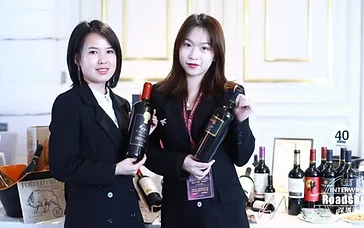
Face-to-face engagement remains the most reliable mechanism for signing regional distributors in Western China. Because personal relationships (guanxi) and sensory evaluation are prerequisites for commercial trust, premier trade fairs serve as the central deal-making venue. While national events gather broad interest, professional wine expos operating in mainland China draw concentrated buyer delegations from Southwest municipalities.
Wineries aiming to establish distribution across inland territories can register and Become an Exhibitor at INTERWINE, where domestic wholesalers, regional off-trade buyers, and Southwest distribution partners source international wine portfolios.
2. Structured B2B Matchmaking and Buyer Delegations
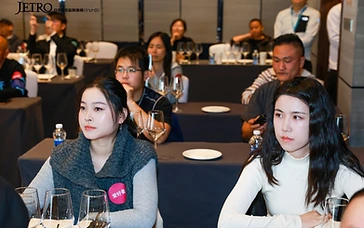
Unfocused booth visits can yield broad interest without commercial conversion. Suppliers should prioritize curated trade channels featuring verified buyer matchmaking. By participating in professional Business Matching sessions, wineries secure pre-scheduled, one-on-one procurement meetings with licensed importers who hold active distribution channels across Chongqing, Chengdu, and neighboring provinces.
3. Customs Registry and Trade Directory Screening
Every legitimate wine importer operating in Chongqing must be registered with the General Administration of Customs of China (GACC) through the Single Window system and possess an active liquor wholesale license. Exporters can utilize verified commercial intelligence databases and trade directories to identify active importers based on customs clearance volumes at inland ports. Reviewing verified profiles in the INTERWINE Exhibitor Directory offers direct visibility into which active trading companies and brand managers maintain distribution networks in Southwest China.
4. Regional Wholesale Beverage Markets in Chongqing
Chongqing houses dedicated wholesale trade hubs where secondary distributors and sub-dealers purchase inventory for suburban districts and regional retail chains. Visiting commercial trading hubs such as the Chaotianmen wholesale trade areas and regional food-and-beverage trading centers in Jiulongpo and Nan'an provides boots-on-the-ground intelligence into which imported brands currently move through offline commercial channels.
Evaluating and Vetting a Chongqing Distribution Partner
Signing the wrong partner in China can result in brand dormancy, where an importer takes your regional exclusivity but fails to generate reorders. When evaluating potential Chongqing importers, apply rigorous due diligence across four key criteria:
| Evaluation Metric | Key Verification Check | Commercial Implication | | :--- | :--- | :--- | | Licensing & Compliance | Active GACC registration, food business operating permit, local customs record. | Ensures legal customs clearance and unhindered domestic freight. | | Channel Specialization | On-trade (restaurants/bars), corporate gifting, regional retail, or e-commerce. | Prevents placing your product into channels misaligned with your price point. | | Geographic Coverage | Core Chongqing metro (Yuzhong, Jiangbei) vs. outer municipalities & Sichuan province. | Clarifies whether you need a single Chongqing partner or a wider Southwest regional distributor. | | Portfolio Complementarity | Existing brand portfolio; presence of competing regions or direct varietal rivals. | Protects your wine from being used as a secondary catalog filler to push flagship labels. |
As highlighted in export guides from BestWineImporters (2026), international wineries must evaluate whether an importer possesses dedicated sales personnel capable of executing on-the-ground activations, tastings, and staff training, rather than relying merely on passive catalog listings.
Regulatory, Logistics, and Commercial Mechanics
Successfully onboarding a Chongqing distributor requires compliance with Chinese statutory import frameworks and a realistic commercial margin structure.
Tariffs and Landed Cost Calculation
As documented by BestWineImporters (2026), imported bottled still wine in China is subject to three compounding taxes: standard Most Favoured Nation (MFN) import tariffs (often around 14% unless reduced by bilateral Free Trade Agreements), Value-Added Tax (VAT) at 13%, and an alcohol consumption tax of 10%. Cumulatively, these statutory duties add approximately 48% to 50% to the Cost, Insurance, and Freight (CIF) entry value.
When pitching to Chongqing distributors, wineries must build backward from the anticipated end-consumer retail price point. A bottle with an FOB price of $5.00 typically sells on a Chinese shelf or restaurant wine list at 3 to 4 times that base cost once customs duties, inland logistics to Chongqing, importer gross margins (25–35%), sub-distributor margins (15–25%), and retail markups are factored into the supply chain.
[FOB Winery Base Price: ~$5.00]
       │
       ▼  (+ International Freight & Insurance)
[CIF Port Price]
       │
       ▼  (+ ~48-50% Chinese Customs Duties, Consumption Tax & VAT)
[Landed Duty-Paid Cost: ~$8.50 - $9.00]
       │
       ▼  (+ Inland Logistics to Chongqing & Importer Margin: 25-35%)
[Wholesale Price to Chongqing Sub-Distributor]
       │
       ▼  (+ Regional Distributor Margin: 15-25% & Retailer/On-Trade Markup)
[Final Retail / Restaurant Price: ~$18.00 - $22.00+]
Labeling and Regulatory Filings
Every wine SKU entering Chongqing must carry an approved Simplified Chinese back label complying with National Food Safety Standards (GB 7718 and GB 2758). The label must accurately state:
- Legal product classification (e.g., dry red wine).
- Grape varieties and vintage.
- Exact alcohol strength (% ABV) and net volume.
- Name, address, and contact details of the registered Chinese importer/distributor.
- Country of origin, production date, and standard mandatory health warnings ("Excessive drinking is harmful to health", warnings for pregnant women and minors).
Overseas wineries must provide production certificates, sanitary certificates, and detailed ingredient statements promptly to avoid clearance delays at inland customs terminals.
Strategic Steps to Close Deals with Chongqing Buyers
- Localize Your Commercial Collateral: Create a verified enterprise WeChat account and high-resolution digital product sheets formatted in Simplified Chinese. As noted by Asia Pro Distribution (2026), WeChat serves as the primary B2B operational platform in China through which distributors request sample allocations, pricing sheets, and technical data.
- Offer Tailored Marketing Budgets (A&P Support): High-tier distributors in Chongqing prioritize producers who share market-entry investment. Providing structured Advertising & Promotion (A&P) allowances—such as sample allowances for private masterclasses, subsidized localized promotional print collateral, or co-sponsored sommelier pairing dinners—distinguishes your brand from uncommitted competitors.
- Coordinate Sample Dispatch via Bonded Channels: Shipping international tasting samples directly to inland China without proper customs assistance often triggers extensive customs retention. Partner with established exhibitions or licensed forwarders to clear professional samples ahead of buyer meetings.
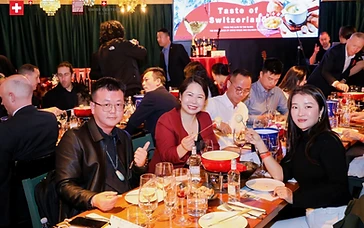
- Participate in In-Market Trade Activations: To accelerate negotiations, schedule visits aligned with prominent wine trade exhibitions in China. Meeting prospective distributors in person establishes institutional trust and clarifies contract parameters faster than remote negotiations. Review our upcoming industry calendar via Interwine Events.
Conclusion: Accelerating Your Inland China Expansion
Chongqing represents one of China's most lucrative and dynamic regional wine markets, serving as the commercial gateway to over 100 million consumers across Southwest China. Successfully accessing this market requires shifting away from generic coastal sales strategies in favor of direct engagement with specialized regional distributors. By building balanced commercial price models, respecting inland culinary pairing demands, and actively pursuing targeted trade networking, international wine producers can capture durable market share.
Ready to present your wine portfolio directly to verified Chinese importers, regional wholesalers, and commercial buyers? Learn how to take the next step and Become an Exhibitor at the next INTERWINE trade fair.
Sources
- MSA Advisory (2024–2026) – Wine Market in China: Trends, Growth, and Consumer Preferences: https://msadvisory.com/wine-market-in-china
- Vino Joy News (2024) – Here Are China's 50 Top Wine Importers: https://vino-joy.com/2024/05/27/here-are-chinas-50-top-wine-importers/
- Asia Pro Distribution (2026) – How to Find a Wine Importer in China: Market Reality & Regional Strategies: https://asiapro-distribution.com/tips-for-wineries-to-find-chinese-importers/
- BestWineImporters (2026) – A Wine Exporter’s Guide to Finding Buyers in China and Working with Chinese Wine Importers: https://www.bestwineimporters.com/blog/resources/a-wine-exporters-guide-to-finding-buyers-in-china-and-working-with-chinese-wine-importers/
- China Briefing by Dezan Shira & Associates (2025) – China's Wine Market Outlook: Trends and Opportunities: https://www.china-briefing.com/news/chinas-wine-market-outlook-trends-and-opportunities/
Key Takeaways
- —Chongqing is an inland municipality of over 30 million people that anchors the Chengdu-Chongqing Economic Circle, offering unassigned distribution opportunities outside saturated coastal cities.
- —China's wine market was valued at $40.4 billion in 2024 with a projected compound annual growth rate exceeding 11% (MSA Asia, 2024/2026).
- —Chongqing's distinct dining culture creates strong commercial demand for aromatic white wines, sparkling selections, and fruit-forward, supple reds that complement spicy Sichuan-Chongqing cuisine.
- —Imported still wines are subject to Chinese import tariff, VAT (13%), and consumption tax (10%), cumulatively adding approximately 48% to 50% on top of the CIF value.
- —Direct B2B engagement at professional trade exhibitions and structured business matching programs remains the most effective method for establishing relationships with licensed Chongqing importers.
Frequently Asked Questions
Why should international wineries target Chongqing instead of only Shanghai or Guangzhou?
While coastal cities like Shanghai and Guangzhou are major traditional ports of entry, their on-trade and retail segments are highly saturated with established global brands. Chongqing, a municipality of over 30 million people anchoring the Chengdu-Chongqing Economic Circle, represents a fast-growing interior consumer base with developing wine consumption habits and distributors actively seeking fresh, exclusive foreign winery partnerships.
What wine styles sell best in Chongqing's regional market?
While prestige and full-bodied red wines (such as Cabernet Sauvignon and Syrah) remain popular for business banqueting and formal gifting, Chongqing's spicy, numbing culinary culture has driven a significant increase in demand for aromatic white wines (Riesling, Gewürztraminer, Moscato), crisp rosés, and sparkling wines that pair naturally with local gastronomy.
What taxes and duties apply when importing wine into Chongqing?
Bottled still wine imported into China is subject to Most Favoured Nation (MFN) customs duties (standard 14%, unless reduced by country-specific bilateral trade agreements), a 13% Value-Added Tax (VAT), and a 10% consumption tax. Compounded, these statutory duties add roughly 48% to 50% to the product's CIF (Cost, Insurance, Freight) landed price.
How do Chinese wine buyers verify that a foreign winery is credible?
Chongqing distributors look for suppliers that demonstrate commitment to the Chinese market. Indicators of credibility include active participation in recognized trade fairs like INTERWINE, localized marketing collateral hosted on enterprise WeChat, willingness to provide structured A&P (Advertising & Promotion) support, and compliance with Chinese customs and GACC manufacturer registration regulations.
Can an overseas winery sell directly to Chongqing restaurants and retailers?
No. Under Chinese commercial law, foreign wineries without an established domestic trading entity cannot sell directly to local on-trade venues or retailers. You must partner with a licensed Chinese importer that holds valid food and alcohol circulation permits, customs registration, and the capability to handle clearance and domestic invoicing (Fapiao).