How to Follow Up With Exhibitors After Interwine
Discover how importers, distributors, and buyers can turn Interwine booth conversations into commercial contracts with a disciplined 72-hour follow-up plan, sample management protocol, and clear negotiation strategy.
Professional buyers and importers understand that trade shows do not close deals—structured post-show execution does. According to survey benchmarks published by Statista in their trade show follow-up research, as many as 11% of exhibitors follow up on only 1% to 10% of the commercial contacts they gather at expos (EDE Corp analysis). For international buyers, regional wine distributors, and food and beverage category managers attending Interwine in Guangzhou, this post-event gap represents a major commercial advantage: when you know exactly how to follow up with exhibitors after Interwine, you secure allocation priority, lock down competitive Incoterms, and eliminate supply chain friction before your competitors even organize their business cards.
Whether you met boutique estates in national pavilions or major bulk and private-label producers across the fairground, executing a multi-step procurement workflow within 72 hours converts brief booth encounters into profitable import partnerships.
The Critical 72-Hour Post-Interwine Window
Speed and specificity dictate post-show negotiation leverage. According to trade event operational guidelines from Metro Exhibits (2026), primary post-show outreach achieves optimal engagement when delivered within 24 to 72 hours, before exhibitors dismantle their logistical workflows and travel back to their home regions.
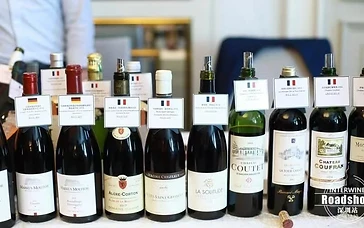
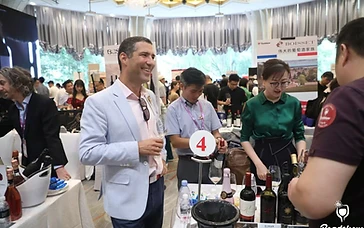
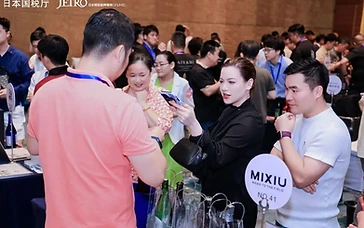
International wineries presenting at Interwine often handle hundreds of booth visitors over three intensive exhibition days. As noted by BestWineImporters (2026), Interwine gathers over 600 exhibitors including international wineries, regional generic associations, and commercial distilleries in Guangzhou. Sales representatives return home facing overloaded email inboxes, backlogged customer orders, and regional distribution queries.
To move to the front of their priority queue, avoid sending generic "pleasure to meet you" notes. Instead, deliver a commercially structured email that anchors the conversation to specific stock keeping units (SKUs), stated volume thresholds, and agreed commercial discussions. When you book your visit for upcoming Interwine editions, plan your post-event follow-up protocols before traveling to ensure rapid turnaround immediately after the exhibition floor closes.
Lead Triage: Categorizing Exhibitors into Action Tiers
Before drafting communications, segment your booth contacts into three clear procurement tiers within your CRM or master spreadsheet:
- Tier 1 (Immediate Commercial Priority): Producers whose pricing, varietals, and production capacities precisely match your active portfolio gaps. Target first touchpoint within 24 to 48 hours.
- Tier 2 (Strategic Pipeline): Estates that displayed strong vintage quality but require portfolio evaluation, label clearance, or secondary pricing review. Contact within 5 to 7 days.
- Tier 3 (Passive Monitoring): Niche producers or specialty appellations outside your current seasonal buying window. Consolidate their spec sheets and file for annual review cycles.
[Interwine Exhibition Floor Meeting]
                 │
                 ▼
      [First 24-48 Hours]
  Lead Triage & Verification
  - Match tasting notes with booth photos
  - Classify into Tier 1, Tier 2, Tier 3
                 │
                 ├───────────────────────────────────────┐
                 ▼                                       ▼
        [Tier 1 Priority]                       [Tier 2 Strategic]
  Direct Commercial Term Sheet            Technical Data & Spec Request
  - Reference specific lot/vintage        - Request laboratory analysis
  - State annual volume & Incoterms       - Clarify FOB/CIF pricing matrix
  - Propose sample consolidation plan     - Evaluate channel exclusivity
                 │                                       │
                 └───────────────────┬───────────────────┘
                                     ▼
                             [Days 7 to 14]
                      Sample Dispatch & Logistics
                      - Issue customs tracking details
                      - Run internal tasting panel
                      - Align export documentation
Crafting the High-Conversion B2B Follow-Up Message
Producers reject ambiguous inquiries that fail to outline market viability. Sales leaders at Aexus (2025) emphasize that successful follow-up communications must lead directly with the exact problem, lot, or operational challenge discussed rather than conversational pleasantries. Your communication must demonstrate purchasing authority, regulatory readiness, and logistical clarity.
Key Elements Every Commercial Inquiry Must Include
- Contextual Anchor: Reference the exact booth location, staff member spoken with, and wines sampled (e.g., "Following our tasting of your 2022 Reserva Cabernet Sauvignon at your Pavilion Stand on Day 2...").
- Commercial Parameters: Detail your business model (e.g., regional distributor across Guangdong and Fujian covering 120 on-premise accounts) and intended order formats.
- Specific Documentation Requests: Request export price lists (FOB and CIF Guangzhou or Shenzhen), analysis certificates, and available regional distribution rights.
- Concrete Action Step: Suggest a dedicated 20-minute video conference or request commercial samples through an approved logistics route.
To cross-reference contact details and ensure your follow-up reaches senior commercial directors rather than temporary booth personnel, cross-check profiles through the official Exhibitor Directory or leverage onsite Business Matching registries.
Managing Post-Show Samples and Regulatory Requirements
Requesting production samples after Interwine requires strict compliance with international freight rules and Chinese import procedures. Ordering loose parcels via standard express courier without proper documentation frequently leads to clearance delays or customs confiscation.
Air Freight and Customs Clearance for Wine Samples
Ensure the exporting winery complies with the General Administration of Customs of China (GACC) registration standards. Under GACC Decree 248, overseas food and beverage manufacturers must hold an active registration number to clear commercial goods and official tasting samples into China. Before authorizing sample dispatches, request:
- Commercial invoice clearly marked: "Samples of no commercial value for testing purposes only"
- Certificate of Origin and sanitary/phytosanitary documentation
- Official laboratory analysis report (alcohol by volume, total sugars, dry extract, total acidity, and sulfur dioxide content)
Consolidate multiple winery shipments through bonded logistics hubs or specialized temperature-controlled freight forwarders to protect bottle integrity from thermal damage during transit.
Structuring Commercial Negotiations: Incoterms and Exclusivity
Once dialogue restarts, shift negotiations toward commercial terms, pricing structures, and sales territory parameters. International transactions finalized through Market Insights depend on transparent margin structures.
| Contract Parameter | Importer Objective | Typical Exhibitor Position | Pragmatic Negotiation Compromise | | :--- | :--- | :--- | :--- | | Incoterms | CIF / DDP (minimizes maritime and port risks) | Ex-Works (EXW) or FOB origin port | FOB Major Port: Balances freight accountability with distributor control over shipping routes. | | Minimum Order Quantity (MOQ) | Trial pallets (2–3 mixed pallets per SKU) | Full Container Load (FCL, ~12,000–14,000 bottles) | Initial mixed container: Combine 3–4 portfolio SKUs across the estate to hit FCL volume. | | Exclusivity Scope | Exclusive national distribution rights | Non-exclusive or province-specific allocation | Milestone exclusivity: Exclusive provincial distribution contingent on reaching minimum volume targets in 12 months. | | Marketing Support | 5–8% retrospective advertising allowance | Fixed gross pricing without marketing funds | Shared marketing fund: 3% allocation matched by importer investment in regional masterclasses. |
Buyers who plan their itinerary via the Arrival and Transportation guide can also schedule pre-fair and post-fair warehouse visits in nearby logistics hubs such as Guangzhou Baiyun or Nansha to verify cold-chain readiness before finalizing contract terms.
Overcoming Post-Show Inaction
Even when booth interactions are positive, momentum can slow due to language barriers, time zone differences, and harvest schedules. Overcome these friction points with proactive communication methods:
- WeChat for Real-Time Execution: While formal supply agreements require email documentation, operational communication across China and broader Asian distribution networks progresses fastest on WeChat. Add the exporter’s international sales representative before departing the show floor.
- Video Conferencing for Complex Specs: Schedule a 20-minute virtual meeting within 10 days of the show to review technical specifications, back-label designs, and Chinese translation formatting.
- Establish Clear Timeline Milestones: Explicitly define the next check-in point (e.g., "We will complete our sensory panel on your sample bottles by November 14 and deliver an initial purchase order projection by November 18").
To explore wider sourcing avenues or secure buyer credentials for the next trade fair cycle, Book Your Visit early to access exclusive networking sessions and producer masterclasses.
Sources
- EDE Corp: Trade Show Follow-Up Strategies and Statistics
- Metro Exhibits: Best Practices for Trade Show Lead Conversion (2026)
- Aexus: Effective B2B Post-Show Lead Follow-Up Timelines (2025)
- BestWineImporters: Interwine China Trade Event Profile and Buyer Protocols (2026)
- Interwine China Official Exhibition Portal
Key Takeaways
- —Execute post-Interwine follow-up within 24 to 72 hours to secure priority allocation and commercial responsiveness from overseas wineries.
- —Segment booth leads into three distinct tiers based on immediate portfolio demand, technical fit, and annual purchasing volume.
- —Draft high-conversion inquiries that clearly outline your distribution network, target purchase formats, Incoterms, and specific SKU interest.
- —Comply with GACC Decree 248 regulations and customs requirements before dispatching commercial or sensory evaluation samples.
- —Structure negotiations using FOB terms and performance-based milestone exclusivity to protect commercial margins and limit initial volume risk.
Frequently Asked Questions
How quickly should wine buyers contact exhibitors after Interwine?
Professional buyers should initiate outreach within 24 to 72 hours of the event's conclusion. This ensures your communication reaches sales representatives before they return to origin countries and become consumed by operational backlogs.
What documentation is required to clear wine samples into China after the fair?
Importing wine samples into China requires a commercial invoice marked for tasting/testing purposes, a Certificate of Origin, laboratory analysis reports detailing alcoholic strength and sulfur content, and confirmation of the producer's active GACC manufacturer registration under Decree 248.
Should wine buyers negotiate FOB or CIF terms when following up?
FOB (Free on Board) at a major origin port is generally preferred for experienced importers because it grants greater visibility and control over shipping routes, consolidation hubs, and temperature-controlled freight costs compared to supplier-managed CIF terms.
How do you request territorial exclusivity from international wine producers?
Propose performance-linked milestone exclusivity rather than demanding blanket rights immediately. Offer clear volume commitments across an initial 12-month period, specifying target sales channels and geographic boundaries to build mutual trust.