How Wine Brands Can Find Distributors in Vietnam
A commercial roadmap for international wine brands seeking distribution in Vietnam. Learn how to identify, vet, and contract licensed importers while navigating MOIT compliance, customs duties, and regional channels.
Finding the right distribution partner in Vietnam requires understanding both the local trade structure and the legal framework that governs alcoholic beverages. Under Vietnamese law, only domestic or foreign-invested legal entities holding an official liquor distribution license issued by the Ministry of Industry and Trade (MOIT) can import and distribute finished wine. To enter the market successfully, overseas wineries must establish vetted relationships with fully licensed partners, account for tariff schedules, and navigate region-specific consumer preferences across Northern, Central, and Southern Vietnam.
The Commercial Landscape of Wine Distribution in Vietnam
Vietnam has emerged as one of Southeast Asia's most dynamic alcoholic beverage markets. According to data reported by Legalmondo in 2024, Vietnam registered total alcohol consumption of 2 billion liters prior to the pandemic—a 90% increase over the preceding decade—establishing the country as a leading consumer base in the region. With domestic production limited—the Vietnam Alcohol and Beverage Association identified only about 15 domestic bottling companies producing an aggregate of 12 to 13 million liters annually—imported wines represent the clear majority of premium consumption.
Wine import value grew by 85% between 2010 and 2018, reaching USD 53.2 million, and market analyses compiled by InCorp Vietnam in 2024 confirm that wine imports expanded at an average annual clip of 10% from 2010 through recent periods. The primary countries supplying Vietnam include France, Italy, Chile, Australia, and the United States.
However, entering this market requires navigating a distinct three-tier consumer geography:
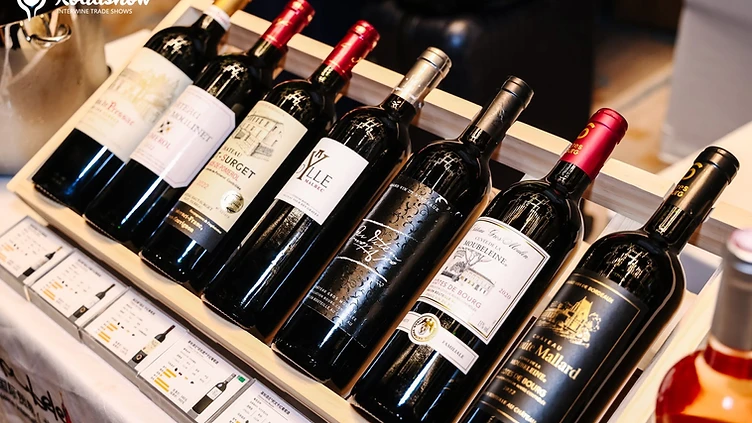
- Northern Vietnam (Hanoi & Red River Delta): A relationship-driven commercial market where wine functions heavily as corporate gifting, official banquet stock, and status presentation. Traditional, prestigious Old World regions (particularly Bordeaux and high-pedigree European labels) dominate, and brand heritage carries decisive commercial weight.
- Southern Vietnam (Ho Chi Minh City & Mekong Basin): The commercial retail and modern on-premise engine of the country. Southern consumers are markedly more open to modern varietals, New World origins (such as Chile, Australia, and the US), softer red styles (such as fruit-forward Cabernet Sauvignon, Merlot, and Shiraz), and evolving white or sparkling offerings.
- Central Vietnam (Da Nang, Hoi An, Nha Trang): Driven by high-end international tourism, luxury resorts, and hospitality dining. Central Vietnamese consumers themselves remain relatively conservative in everyday brand choices, meaning distribution in this corridor relies predominantly on on-premise hotel, restaurant, and catering (HoReCa) relationships.
Regulatory Requirements for Importers
International brand principals cannot simply ship containerized stock to an unverified wholesaler or local retailer. Alcohol importation is governed strictly by Vietnamese trade decrees, principally Decree No. 105/2017/ND-CP on wine production and commercial trade, alongside subsequent regulatory updates.
Foreign wine producers must ensure prospective partners comply with several statutory requirements:
- Licensing Mandate: Under Article 20 of Decree 105/2017/ND-CP, only corporate entities possessing a valid liquor distribution license issued by the MOIT are authorized to import finished wine directly. Importers who merely hold provincial retail or wholesale sub-licenses cannot legally handle border-gate customs clearance.
- Designation & Agent Authorization: To clear customs, Vietnamese importers must present an official written authorization or power of attorney from the overseas winery naming them as the authorized distributor or commercial agent.
- Designated Entry Ports: Wine may enter Vietnam solely through designated international border checkpoints (major seaports and international airports like Cat Lai in Ho Chi Minh City or Hai Phong in the north).
- Declarations of Conformity and Stamps: Imported products must secure an official food safety Declaration of Conformity issued through the Food Safety Department under the Ministry of Health before shipment arrival. Furthermore, once customs inspections verify conformity under National Technical Regulation QCVN:2010/BYT, physical imported liquor tax stamps supplied by the General Department of Customs must be affixed to every retail bottle prior to warehouse release.
Four Practical Channels to Find Qualified Distributors
Locating licensed, capable distribution partners requires specialized B2B sourcing rather than speculative cold outreach.
1. Structured Trade Exhibitions and Regional Business Matching
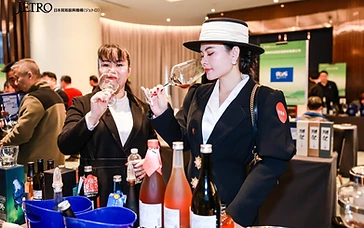
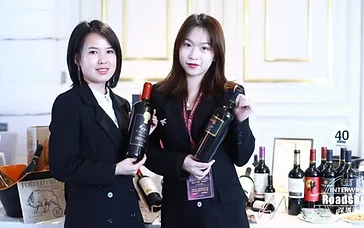
Regional trade platforms remain the most reliable entry point for international wine producers seeking accredited importers. Because large Vietnamese wine importers attend major regional events across Southeast Asia and Greater China to source inventory, participating in focused B2B networking ensures face-to-face evaluation of buyers. Engaging in professional Business Matching provides overseas producers with pre-vetted buyer profiles, ensuring that every distributor engaged possesses current MOIT import accreditation and established cold-chain warehousing.
To discover how key regional buyers allocate their yearly portfolios, brands can also review broader industry trends through dedicated Market Insights and align product price points with emerging Asian trade preferences.
2. Local Chambers of Commerce and Bilateral Trade Missions
Bilateral trade bodies—such as EuroCham Vietnam, the French Chamber of Commerce and Industry in Vietnam (CCIFV), the Australian Chamber of Commerce (AusCham), and the American Chamber of Commerce (AmCham)—maintain directories of established trading houses. Many publish dedicated food and beverage directories and organize commercial trade missions where winery representatives can meet licensed member importers.
3. In-Country HoReCa and Boutique Retail Auditing
Direct field audits across modern commercial centers (District 1 and District 2/Thao Dien in Ho Chi Minh City; Hoan Kiem and Tay Ho in Hanoi) allow brands to inspect wine back-labels. By law, all legitimate bottles sold across modern hypermarkets (such as Lotte Mart and Mega Market), luxury boutique retailers (such as Cellier or Wine Talk), and international hotel chains must display an auxiliary label in Vietnamese disclosing the licensed importer's company name and business registration code. This provides a direct path to identifying the exact distributors operating in your price segment.
4. International Trade and Commercial Agency Services
Wineries lacking an on-the-ground presence can contract professional trade consulting firms or bilateral investment facilitation agencies. These groups conduct partner matching, credential verification, and commercial agency introductions under Vietnam's Commercial Law and Civil Code.
Due Diligence: Vetting Vietnamese Partners
Before entering formal commercial agreements, overseas exporters should conduct rigorous partner vetting. Identifying an undercapitalized or non-compliant partner risks severe logistical delays or stock confiscation.
+--------------------------------------------------------------------------------+
|                       DISTRIBUTOR DUE DILIGENCE CHECKLIST                     |
+--------------------------------------------------------------------------------+
| [ ] MOIT Liquor Distribution License Validity & Product Authorization Scope   |
| [ ] Temperature-Controlled Storage Infrastructure (Saigon / Da Nang / Hanoi)  |
| [ ] Regional Channel Reach: HoReCa (Hotels/Dining) vs. Modern Off-Premise      |
| [ ] Fiscal Stability & Import Clearance Track Record (VNACCS/VCIS Filing)       |
| [ ] Transparent Pricing Calculation Accounting for Customs, SCT, and VAT       |
+--------------------------------------------------------------------------------+
Key areas to verify include:
- Regulatory Scope: Review the prospective distributor's license sheet. The document should expressly authorize finished wine distribution and list the brand's production origin within its permitted categories.
- Storage Facilities: Vietnam’s tropical climate demands continuous temperature-controlled logistics. Unrefrigerated warehousing in Ho Chi Minh City or Da Nang damages wine profiles within months. Brands should inspect physical facilities or require audited photographic proof of climate-controlled storage.
- Channel Strengths: Many importers specialize strictly in either high-end on-premise hotel accounts or mass-market corporate gifting channels. Match your wine style with the distributor’s proven core customer segment.
Commercial Agreements, Intellectual Property, and Cost Realities
Structuring the Commercial Contract
Under Vietnamese Commercial Law, international sales can be structured as direct commercial buy-sell contracts or commercial agency models. Distribution agreements must explicitly define:
- Territory limitations (e.g., nationwide exclusivity versus Northern/Southern splits);
- Minimum annual purchase quotas (MOQs) by container or pallet volume;
- Trademark protection clauses establishing that all product registrations, marketing collaterals, and label declarations remain the sole intellectual property of the foreign principal.
Trademark Protection
Vietnam operates under a strict "first-to-file" trademark registration system administered by the Intellectual Property Office of Vietnam (IP Vietnam). As noted in Legalmondo's 2024 legal review, registered marks receive protection for an initial ten-year term renewable indefinitely; however, trademarks unused for five consecutive years face revocation risks. Never allow an importer to register your brand mark under their own corporate name—secure international registration via the Madrid Protocol or file directly with IP Vietnam before shipping sample cases.
Tariff and Landed Cost Breakdown
Imported wine prices in Vietnam reflect significant tax cascading under HS Code 2204.21.11:
- Standard Import Tariff: Up to 50% ad valorem for Most Favoured Nation (MFN) countries. Preferential tariffs apply for regions with operative free trade agreements (FTAs), such as the EU-Vietnam Free Trade Agreement (EVFTA, effective August 2020) and the Comprehensive and Progressive Agreement for Trans-Pacific Partnership (CPTPP) covering Australia and Chile, both of which implement scheduled multi-year duty reductions.
- Special Consumption Tax (SCT): An excise tax applied to wine based on alcohol by volume (commonly 30% for standard table wines).
- Value Added Tax (VAT): A standard 10% VAT applied across finished landed goods.
Because combined taxes compound upon CIF entry values, retail shelf prices in Vietnam frequently reach 2.5 to 3 times the original cellar-door price. Principals must collaborate closely with distributors on landed margin models to ensure downstream viability.
Conclusion: Moving from Strategy to Market Execution
Navigating Vietnam’s dynamic wine market rewards brands that combine regulatory compliance with targeted partner sourcing. By securing trademark registrations early, insisting on verified MOIT distribution credentials, and attending targeted industry events, international wine brands can establish sustainable, profitable footholds in one of Asia's most promising markets. Producers seeking direct access to vetted regional distributors can leverage specialized Business Matching services to initiate discussions with verified importers and trade buyers.
Sources
- Legalmondo: Distribution of Wine in Vietnam (2024)
- InCorp Vietnam: Market of Wine in Vietnam: Trends & Regulations (2024)
- U.S. Alcohol and Tobacco Tax and Trade Bureau (TTB): International Affairs Resources for Vietnam (2024)
- Vietnam Briefing: How to Find a Good Distribution Partner in Vietnam (2019)
Key Takeaways
- —Under Article 20 of Decree 105/2017/ND-CP, only entities holding a liquor distribution license issued by the Ministry of Industry and Trade (MOIT) can legally import finished wine into Vietnam.
- —Imported wines in Vietnam face significant compounding duties, including up to 50% import tariffs (mitigated by EVFTA and CPTPP), a 30% Special Consumption Tax, and 10% VAT.
- —The Vietnamese wine market splits regionally: Northern consumers emphasize brand prestige and gift boxes, while Southern buyers show greater openness to New World varietals.
- —Vietnam adheres to a first-to-file trademark protocol, making prior intellectual property registration essential before signing importer agreements.
- —B2B business matching and specialized wine trade events provide the most direct, verified route to licensed importers with climate-controlled logistics.
Frequently Asked Questions
Can any Vietnamese trading company import wine directly from overseas?
No. Under Decree No. 105/2017/ND-CP, only companies possessing an official liquor distribution license issued by the Ministry of Industry and Trade (MOIT) are legally permitted to import finished wine for commercial distribution. General trading firms without this specific sub-license cannot clear alcoholic products through Vietnamese customs.
What import taxes and duties apply to wine imported into Vietnam?
Standard MFN import tariffs for wine reach up to 50%, alongside a 30% Special Consumption Tax (SCT) and a 10% Value Added Tax (VAT). However, under bilateral free trade agreements such as the EU-Vietnam Free Trade Agreement (EVFTA) and CPTPP (covering Australia and Chile), tariffs are subject to progressive reduction schedules.
How do consumer wine preferences differ between Northern and Southern Vietnam?
Northern Vietnam, centered in Hanoi, is driven by corporate gifting, business entertainment, and traditional prestige, showing a strong bias toward classic Old World European red wines. Southern Vietnam, centered in Ho Chi Minh City, features a younger demographic, vibrant modern on-premise dining, and greater appetite for accessible New World varietals, white wines, and sparkling labels.
Should a wine brand register its trademark in Vietnam before entering distribution?
Yes. Vietnam follows a strict 'first-to-file' trademark system through IP Vietnam. International wineries should register their brand names directly or via the Madrid Protocol prior to commercial engagement to prevent unauthorized third-party filings or distribution bottlenecks.
What documentation is required to clear wine shipments through Vietnamese customs?
Shipments require an official importer authorization or distributor appointment letter from the producer, a food safety Declaration of Conformity issued by the Food Safety Department, standard shipping documents (Bill of Lading, Commercial Invoice, Certificate of Origin), and compliance with physical import tax stamping regulations upon arrival.