Wine Consumer and Channel Trends in Thailand
Explore wine consumer and channel trends in Thailand, covering recent tariff eliminations, excise duty structures, on-premise hospitality dynamics, and B2B importer routes.
Thailand has rapidly transformed into one of the most commercially significant and dynamic wine markets in Southeast Asia. Driven by the Thai Cabinet’s landmark tax reforms that took effect on February 23, 2024—eliminating import tariffs on wine under HS codes 2204 and 2205—international wine brands now face an unprecedented window of commercial opportunity. However, navigating the Thai wine ecosystem requires more than premium branding; it demands a granular understanding of bifurcated consumer segments, specialized on-trade hospitality routes, and strict regulatory hurdles.
For international wine brands planning their Asian expansion, succeeding in Thailand requires strategic partner selection, channel alignment, and targeted distribution execution. Leveraging platforms like Market Insights and participating in targeted trade initiatives such as Business Matching can bridge the gap between production cellars and verified Southeast Asian buyers.
Macro Market Drivers: Regulatory Relief and Economic Catalysts
Historically, Thailand was recognized as one of the most heavily taxed alcohol markets in Asia, with cumulative import tariffs, excise taxes, municipal levies, and health surcharges inflating retail prices significantly above international averages. The regulatory landscape shifted fundamentally in early 2024.
According to the USDA Foreign Agricultural Service GAIN Report (2024), the Thai government eliminated import tariffs on wine (previously as high as 54% to 60%) starting February 23, 2024, alongside reductions in ad valorem excise tax rates. This strategic intervention aimed to stimulate international tourism, curb illicit cross-border smuggling, and reinforce Thailand's position as a premier regional gastronomic and lifestyle hub.
Tourism continues to serve as an indispensable catalyst for wine volume and brand visibility. As highlighted in trade analysis by BestWineImporters (2024), Thailand hosted 28 million international tourists in 2023, expanding to an estimated 34 million foreign arrivals in 2024. These inbound travelers—predominantly from East Asia, Europe, and North America—expect sophisticated beverage programs across Bangkok, Phuket, Koh Samui, and Chiang Mai, creating an immediate, recurring baseline of on-premise consumption.
Consumer Profiles and Consumption Dynamics
Understanding the Thai wine market requires distinguishing between international tourist consumption and evolving domestic drinking habits.
1. The Red Wine Baseline and Varietal Shifts
Historically, red wine has dominated Thai purchasing patterns, representing approximately 80% of all wine sales in the country (BestWineImporters, 2024). Bold, fruit-forward red wines—notably Cabernet Sauvignon, Shiraz/Syrah, and approachable Merlot—remain the primary choice for business entertaining, gifting, and traditional banqueting. These profiles are perceived to cut through the intense, savory, and spicy dimensions of central and southern Thai cuisine.
However, a clear diversification trend is underway among urban domestic consumers. White wines (Sauvignon Blanc, lightly oaked Chardonnay, and dry Riesling) along with dry Provençal-style rosés are gaining substantial ground. The tropical climate makes chilled wines intrinsically appealing for casual day-to-night drinking, rooftop lounges, and beachfront dining.
2. Aspirational Urbanites and Demographics
As analyzed by Wine Australia Market Insights (2026), younger Thai professionals and middle-class urban consumers are driving a shift from conspicuous prestige consumption toward lifestyle and exploratory consumption. Unlike the older generation of collectors who concentrated exclusively on classified Bordeaux or Super Tuscans, Gen Z and Millennial consumers are drawn to authentic brand storytelling, sustainable or organic viticultural practices, lower-alcohol expressions, and visually distinctive, contemporary packaging.
+-----------------------+-----------------------------+-------------------------------------+
| Consumer Segment      | Key Motivations             | Preferred Categories                |
+-----------------------+-----------------------------+-------------------------------------+
| High-Net-Worth / Elite| Social prestige, status     | Classified Bordeaux, Burgundy,      |
|                       | gifting, investment cellars | Vintage Champagne, Super Tuscans    |
+-----------------------+-----------------------------+-------------------------------------+
| Urban Millennial/Gen Z| Discovery, social media,    | Natural/organic, crisp whites,      |
|                       | casual dining, lifestyle    | chilled reds, prosecco/sparkling    |
+-----------------------+-----------------------------+-------------------------------------+
| International Tourist | Familiarity, vacation       | Varietal by-the-glass (Sauvignon    |
|                       | relaxation, dining pairing  | Blanc, Pinot Noir, Rosé, Cava)      |
+-----------------------+-----------------------------+-------------------------------------+
Channel Architecture: Where Wine Sells in Thailand
Distribution channels in Thailand are sharply segmented, heavily regulated, and dominated by specialized logistics networks.
On-Premise (HoReCa): The Margin and Visibility Driver
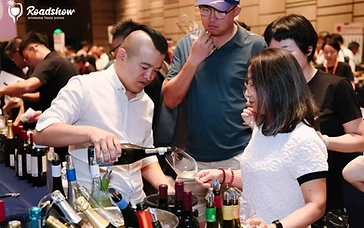
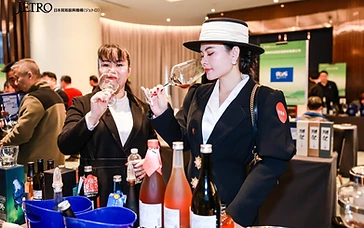
For newly entering international brands, the on-premise sector—comprising luxury five-star hotels, rooftop bars, independent bistros, and international restaurant groups—is the primary venue to establish brand equity. Hospitality establishments hold the commercial power to introduce unfamiliar labels via targeted sommelier curation, wine-pairing degustation menus, and by-the-glass (BTG) programs.
Because the domestic retail environment is governed by stringent advertising bans, the table in a high-end restaurant or luxury resort pool bar serves as the primary marketing touchpoint. Brands entering this channel must provide distributor sales teams with educational collateral, staff tasting notes, and promotional support rather than expecting self-sustained turnover.
Modern Off-Premise: Premium Supermarkets and Independent Cellars
Modern off-trade distribution is concentrated in major metropolitan clusters. Premium supermarket chains (such as Gourmet Market, Tops Food Hall, and Villa Market) feature dedicated, temperature-controlled wine rooms that cater to affluent Thai locals and expatriates. Independent wine boutiques and boutique cellars provide curated portfolios focusing on biodynamic, low-intervention, or small-estate allocations.
Conversely, traditional convenience and hypermarket channels remain strictly constrained for imported fine wine due to price-point sensitivity and stringent operational regulations.
E-Commerce and Digital Retail: A Strictly Monitored Frontier
Unlike neighboring Asian markets like Japan or Hong Kong, Thailand enforces rigid controls on online alcohol commercialization. The Alcoholic Beverage Control Act places heavy constraints on direct-to-consumer (DTC) digital sales, digital advertising, and social media marketing featuring identifiable alcohol branding. While B2B procurement platforms and private concierge delivery networks operate within strict compliance boundaries, foreign producers cannot rely on standard DTC e-commerce models to scale in Thailand.
Regulatory Landscape and Market Entry Risks
Entering Thailand requires meticulous compliance management. Producers must anticipate several operational parameters:
- Thai FDA Registration and Labeling Requirements: The Thai Food and Drug Administration (FDA) mandates thorough laboratory analyses and strict registration before any alcoholic beverage can clear customs (BestWineImporters, 2024). Every individual SKU must feature mandated Thai-language warning labels, nutritional/health advisories, and certified alcohol-by-volume (ABV) documentation.
- Statutory Time Bans on Alcohol Sales: Thailand strictly limits commercial alcohol sales hours to 11:00 AM – 2:00 PM and 5:00 PM – 12:00 AM daily. Sales are totally banned nationwide on official Buddhist holidays and national election days. This structural restriction concentrates consumption into narrow evening windows, increasing operational pressure on restaurant service turns.
- Stringent Anti-Advertising Statutes: Section 32 of Thailand's Alcoholic Beverage Control Act prohibits any display of alcohol logos, brand names, or marketing messages deemed to encourage alcohol consumption. Marketing must focus strictly on B2B education, trade tastings, and sommelier masterclasses rather than public promotional campaigns.
Commercial Strategy for International Wine Exporters
To achieve commercial traction in Thailand without misallocating marketing budgets, international brand owners should execute a phased market entry plan:
- Partner with Hospitality-Focused Importers: Rather than selecting general import-logistics companies that simply warehouse cases, partner with established Thai wine importers that maintain active relationships with executive chefs, food and beverage directors, and sommelier associations. Importers like Brand Connect Asia, The Wine Gallery, and Ambrose Wine operate dedicated on-premise sales divisions essential for sustaining by-the-glass placements.
- Design Price Structures Realistically: While the 2024 tariff elimination improved importer margins, residual excise taxes, logistics, and on-premise markups mean that an ex-cellar bottle at €5 to €8 often commands a retail shelf price exceeding 800 to 1,200 THB ($22–$33 USD) and a restaurant list price over 1,800 to 2,500 THB. Brands must establish clear tiering to ensure their product retains its competitive value proposition on dining tables.
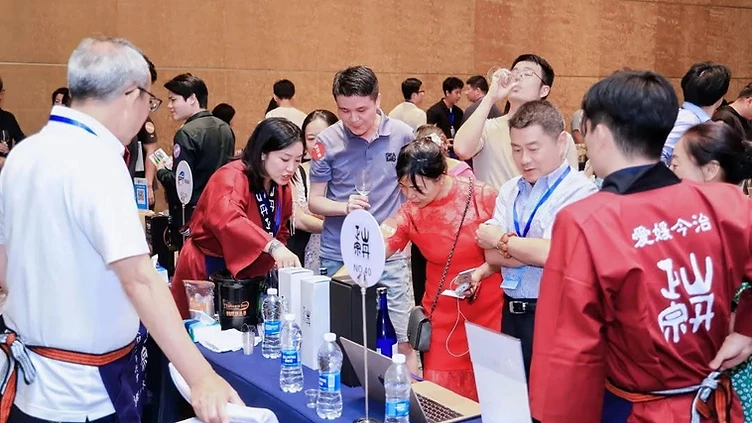
- Accelerate Regional B2B Networking: Finding qualified, licensed importers in Southeast Asia requires direct engagement with commercial decision-makers. Producers can discover verified commercial partners via professional Business Matching services, connect with prospective buyers through the official Exhibitor Directory, or plan targeted regional outreach at major trade events (Become an Exhibitor).
Conclusion
Thailand's wine landscape has entered a new phase of commercial maturation. The elimination of custom tariffs in 2024, coupled with a rebounding tourist economy and an increasingly curious domestic consumer base, makes the Kingdom a priority target in Southeast Asia. Nevertheless, success requires a disciplined strategy: respecting regulatory boundaries, committing to sommelier and trade education, and establishing reliable distribution channels through dedicated B2B commercial networks.
Sources
- USDA Foreign Agricultural Service: Thailand Eliminates Tariffs and Reduces Excise Taxes for Wine (2024)
- BestWineImporters: Wine Importers and Wine Import Trends in Thailand 2024
- Wine Australia: New Research Reveals Key Insights into Thai and Vietnamese Wine Consumers (2026)
- Source of Asia: Wine & Spirits in ASEAN 2026: Vietnam vs Singapore vs Thailand
Key Takeaways
- —Effective February 23, 2024, Thailand eliminated import tariffs on wine (HS 2204 and 2205), significantly improving distributor landed costs (USDA FAS, 2024).
- —On-premise hospitality (HoReCa) remains the primary commercial launchpad due to strict national restrictions on alcohol advertising and e-commerce.
- —Red wines dominate roughly 80% of volume sales, but urban millennials and warm-climate hospitality are rapidly accelerating demand for white, sparkling, and rosé wines (BestWineImporters, 2024).
- —Commercial success requires hospitality-focused importers capable of driving sommelier education, staff trainings, and by-the-glass menu placements.
- —Producers must navigate non-tariff barriers, including Thai FDA product registration, statutory daily sales windows (11 AM–2 PM and 5 PM–12 AM), and stringent labeling laws.
Frequently Asked Questions
What import tariffs apply to wine entering Thailand?
Effective February 23, 2024, Thailand eliminated import tariffs on wine under HS codes 2204 and 2205 (previously up to 54-60%), as reported by the USDA Foreign Agricultural Service (2024). However, wines remain subject to domestic excise taxes, municipal levies, and value-added tax (VAT).
Which wine styles and varietals sell best in Thailand?
Red wine constitutes approximately 80% of total consumption, with Cabernet Sauvignon, Shiraz, and fruit-forward blends leading the market. However, white wines (Sauvignon Blanc, Chardonnay) and dry rosés are experiencing accelerated demand across luxury resorts and urban lifestyle dining venues.
Can international wineries sell wine online directly to consumers in Thailand?
No. Thailand enforces strict regulations under the Alcoholic Beverage Control Act that restrict direct-to-consumer (DTC) digital alcohol sales and advertising. Brands must work through licensed Thai importers and distributors who sell through compliant wholesale and retail channels.
What are the legal retail hours for selling wine in Thailand?
Retail alcohol sales in Thailand are legally permitted only between 11:00 AM to 2:00 PM and 5:00 PM to 12:00 AM daily. Sales are prohibited during major Buddhist holidays and national voting days.
How can foreign wine exporters find qualified importers in Thailand?
Exporters should leverage regional industry trade shows, explore vetted business matching platforms such as Interwine Business Matching, and network directly with hospitality-focused importers operating across Bangkok and major resort destinations.