How to Identify Private club wine buyers in China
A commercial B2B guide for international winery export directors on how to identify private club wine buyers in China, vet high-net-worth distribution networks, and navigate on-trade procurement.
To identify private club wine buyers in China, winery export directors must bypass generic mass-distribution lists and target three distinct closed-loop procurement channels: executive dining and business association clubs (such as chamber of commerce lounges and elite alumni societies), boutique private hospitality cellars (exclusive golf resorts, high-end cigar lounges, and private bank family-office salons), and specialized fine-wine importers operating dedicated group-buying (tuan gou) units. Identifying these buyers requires analyzing regional import portfolios, tracking sommelier procurement across Tier-1 and New Tier-1 cities, and establishing direct verified relationships through specialized trade matchmaking.
Private club buyers rarely advertise open tenders or source from unsolicited foreign emails. Instead, they operate through tight-knit referral networks (guanxi), certified on-trade suppliers, and dedicated trade platforms. For wine producers seeking sustained margins in an evolving landscape, mastering this segment provides insulation against mass-market retail price erosion.
The Shift in China's Fine Wine Landscape
China's imported wine sector has transitioned toward value and category concentration. Data from the USDA Foreign Agricultural Service (2025) shows that China imported approximately $1.6 billion of wine and related products in 2024, with France and Australia maintaining leading market shares. While entry-level and mass-market commercial wines have faced contraction, premium allocations, allocated grower champagnes, and distinctive fine wines continue to command high-net-worth interest.
According to BestWineImporters (2025), China's wine import volumes contracted in mid-2025 while average bottle import prices rose by 38%, underscoring a structural premiumization trend. Private clubs—ranging from bespoke urban clubhouses in Shanghai, Beijing, Shenzhen, and Guangzhou to secluded golf and private banking retreats—drive a disproportionate share of high-margin fine wine sales. These venues cater to patrons who prioritize provenance, authenticity, and scarcity over hyper-commercial branding.
Private Club Procurement Architecture in China

[ Overseas Estate / Export Director ]
               │
               ▼
[ Licensed Importer / Customs Clearance (GACC Compliant) ]
               │
       ┌───────┴────────────────────────┐
       ▼                                ▼
[ Specialized Fine Wine ]     [ Regional Wholesaler / Group ]
[ Importer (On-Trade)   ]     [ Buying Specialist (Tuan Gou)]
       │                                │
       └───────┬────────────────────────┘
               ▼
┌────────────────────────────────────────────────────────┐
│         Private Club Procurement Decision-Makers       │
├──────────────────────────┬─────────────────────────────┤
│ • Private Banking Salons │ • Chamber / Alumni Lounges  │
│ • Golf / Cigar Clubs     │ • Michelin / Fine Dining    │
└──────────────────────────┴─────────────────────────────┘
Mapping the Landscape: Types of Private Clubs Sourcing Wine in China
Before launching an outreach strategy, wineries must understand that the "private club" (siren huisuo) sector in China spans multiple operating models, each governed by different procurement protocols:
- High-End Business & Alumni Associations: Frequently run by alumni bodies of leading business schools (such as CEIBS or Cheung Kong Graduate School of Business) and provincial commerce federations. Sourcing is managed by dedicated executive hospitality managers who look for high-prestige, well-reviewed allocations suitable for executive entertaining and diplomatic gifting.
- Private Bank & Wealth Management Salons: Located in financial hubs like Lujiazui in Shanghai or Futian in Shenzhen, private wealth management institutions manage dedicated hospitality lounges for high-net-worth individuals (HNWIs). Their procurement teams seek exclusive allocations, boutique family-estate wines, and prestigious collectible labels for client-retention tastings and bespoke client gifting.
- Golf, Yacht, and Lifestyle Enclaves: Operating along the coastal economic belt and resort destinations (such as Hainan), these clubs feature internal food and beverage sommeliers. Their wine lists focus heavily on recognizable Old World Crus, prestige New World icons, and an increasing share of premium whites and sparkling wines.
- Exclusive Private Kitchens (Si Fang Cai): Ultra-discreet dining venues operating by reservation only, without public signage. Sourcing for these cellars is controlled directly by head sommeliers, master chefs, or independent wine consultants who prioritize food-pairing versatility, rare varietals, and strict organic or biodynamic pedigree.
Operational Blueprints: Step-by-Step Identification Strategies
1. Filter Importers by On-Trade and Group-Buying Architecture
Private clubs in China almost never clear wine directly through customs because they do not hold alcoholic beverage import and distribution licenses. They rely on specialized tier-one importers and on-trade fine wine distributors. As detailed in market reports from Vino Joy News (2026), premier on-trade importers such as EMW Fine Wines operate alongside large group-buying (tuan gou) specialists and niche importers (such as Pran Cellar and Sparkling World).
When evaluating distribution partners in China, export directors should inspect an importer's customer list. Inquire directly:
- What percentage of their revenue derives from private membership clubs and si fang cai establishments versus open modern retail or e-commerce?
- Do they maintain temperature-controlled warehousing across Tier-1 hubs to meet strict club storage expectations?
- Do their sales representatives have relationships with corporate group buyers and club sommeliers?
2. Engage Professional Business Matching and Regional Showcases
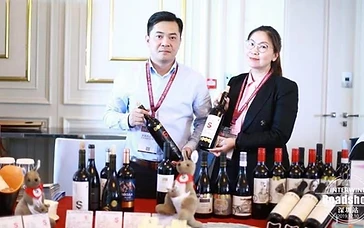
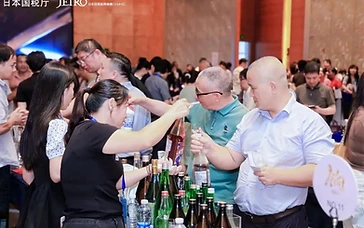
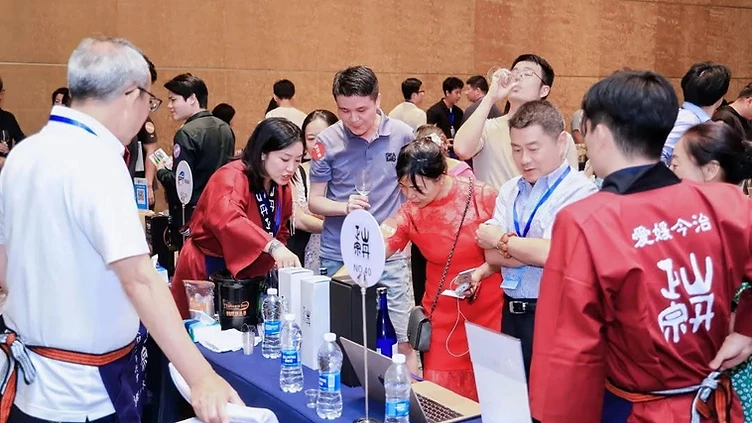
Cold digital communication via Western channels (email, LinkedIn) yields minimal results when attempting to reach high-level club buyers in China. Instead, brand owners must connect directly with vetted importers who control these allocations. Wineries should review the Exhibitor Directory and leverage targeted Business Matching services at focused industry platforms. Physical presence is paramount: meeting regional importers and certified club buyers face-to-face establishes the baseline trust (guanxi) necessary to negotiate exclusive placement.
3. Track On-Trade Sommelier Movements and Industry Salons
High-end club F&B managers and independent club sommeliers frequently network through professional sommelier competitions, masterclasses, and regional tasting salons. Engaging regional brand ambassadors based in Shanghai, Guangzhou, or Chengdu allows wineries to introduce small-batch allocations directly to taste-makers who shape the cellar selections of private clubs.
Traditional Retail vs. Private Club Procurement

Attribute              Mass Retail / Supermarkets         Private Club Channels
─────────────────────────────────────────────────────────────────────────────
Volume Strategy        High volume, lower margin          Low-to-medium volume, high margin
Pricing Pressure       High; visible online comparisons   Protected; opaque pricing structures
Portfolio Fit          Recognizable commercial brands     Boutique estates, rare terroirs, allocations
Key Factor             Brand spend, listing fees          Storytelling, pedigree, personal trust
Primary Gatekeeper     Category Merchandiser              Head Sommelier / Club F&B Director
Overcoming Operational Pitfalls and Compliance Realities
When approaching the private club segment, export directors must be mindful of commercial and regulatory dynamics specific to the Chinese market:
- Labeling and Traceability: Bottled still wine entering China requires compliant Chinese back labels containing standard Chinese mandatory information (product category, alcohol percentage, volume, importer registration details, and health warnings) under State Administration for Market Regulation (SAMR) guidelines. Private clubs maintain strict quality controls; non-compliant back labels or compromised capsules lead to immediate cellar rejection.
- Tax Architecture and Protected Margins: As noted by BestWineImporters (2026), imported bottled wine faces a combined duty, VAT (13%), and consumption tax (10%) burden that adds roughly 50% on top of CIF costs before distributor markups. Clubs demand healthy margins (often 200% to 400% on pour-costs). Ensure your ex-cellar pricing strategy leaves sufficient headroom for the local importer and club to profit without forcing the end consumer price beyond reason.
- Brand Exclusivity vs. Digital Visibility: If your brand is heavily discounted or ubiquitously available on open livestreaming platforms (e.g., Douyin or Taobao), private club buyers will likely decline your portfolio. Private club members expect wines that are not readily price-checked online with a single smartphone scan. Protect your SKU allocations strictly between public e-commerce channels and your private on-trade channel.
Strategic Action Plan for Winery Export Directors
To build a viable pipeline into China's private club wine sector over the next 12 to 24 months, execute the following structured plan:
- Audit Your Global Allocation Portfolio: Reserve your single-vineyard, reserve-tier, and estate-bottled SKUs specifically for China's on-trade and private membership venues. Craft marketing collateral that emphasizes history, unique terroir, international critical scores, and sustainable practices.
- Engage Specialized Industry Trade Platforms: Partner with specialized platforms to gain direct exposure to accredited Chinese importers and corporate buyers. Wineries looking to establish these connections should Become an Exhibitor at upcoming editions to directly present their high-end wines to certified club buyers.
- Equip Local Partners with Brand Narrative Kits: Provide your Chinese distribution liaisons with clear Mandarin brand assets. These should explain vineyard provenance, cellar ageability, and recommended food pairings tailored to regional Chinese cuisines (e.g., Cantonese, Huaiyang, Sichuan).
- Monitor Market Dynamics: Keep abreast of macroeconomic shifts, tariff revisions, and evolving drinking occasions by reviewing ongoing Market Insights.
Sources
- USDA Foreign Agricultural Service (2025): Wine Market Update 2025 - China
- BestWineImporters (2025): China Wine Importers and Wine Import Trends 2025 Update
- BestWineImporters (2026): A Wine Exporter’s Guide to Finding Buyers in China and Working with Chinese Wine Importers
- Vino Joy News (2026): What China’s Top Wine Importers Are Saying About CNY Demand
Key Takeaways
- —Private club wine buyers in China rarely source directly from overseas estates, instead procuring allocations via specialized fine wine importers and licensed group-buying (tuan gou) distributors.
- —Data from USDA FAS (2025) and BestWineImporters (2025) confirms that while overall import volume has contracted, average bottle import prices rose 38%, underscoring a premiumization trend well-suited for high-end club portfolios.
- —Private club wine buyers prioritize brand pedigree, allocations, and price opacity over mass-market commercial popularity, avoiding SKUs that are heavily discounted on public e-commerce channels.
- —Winery export directors must focus on professional B2B matchmaking, sommelier networks, and specialized trade exhibitions in Tier-1 and New Tier-1 cities rather than unsolicited cold outreach.
- —All wines entering the private club ecosystem must comply with GACC customs registration and SAMR Chinese-label regulations while sustaining a pricing model that accounts for approximately 50% cumulative import duties and taxes.
Frequently Asked Questions
Can overseas wineries sell wine directly to private clubs in China?
No. Private clubs in mainland China are hospitality venues and generally do not hold customs clearance and import licenses. Foreign wineries must work with licensed Chinese wine importers or distributors who clear the wine through General Administration of Customs China (GACC) checkpoints before delivering it to club cellars.
What styles of wine do private clubs in China typically purchase?
Private clubs generally favor high-scoring Old World classics (Bordeaux, Burgundy, Barolo), prestige New World icons, and an expanding selection of grower champagnes, premium white wines, and organic/biodynamic labels. The primary prerequisite is scarcity, strong brand pedigree, and limited availability in mass retail channels.
Why is price opacity important for private club wine buyers?
Members of private clubs and patrons of private kitchens expect exclusivity. If a wine is heavily discounted on public e-commerce platforms like Taobao or JD.com, club patrons can quickly price-check the bottle, eroding the club's markup and perceived exclusivity. High-end buyers favor protected on-trade allocations.
How do import taxes affect wine pricing for private club cellars in China?
Import tariffs, value-added tax (13%), and consumption tax (10%) collectively add roughly 50% onto the CIF value of imported bottled wine. Private clubs also apply substantial service and pour-cost markups, making a carefully structured FOB/CIF pricing tier essential to maintain healthy margins across the distribution chain.