Interwine Exhibitor Guide
A commercial roadmap for wineries and producers exhibiting at Interwine China. Learn market dynamics, import compliance, booth preparation, and B2B matching to secure distribution in South China and across the mainland.
To build durable wine distribution in mainland China, international producers must treat trade exhibitions as strategic deal-making platforms rather than simple product showcases. This interwine exhibitor guide provides estate owners, commercial directors, and export managers with a structured roadmap for navigating China’s imported wine landscape, maximizing on-site buyer engagements, and converting leads into sustainable commercial accounts.
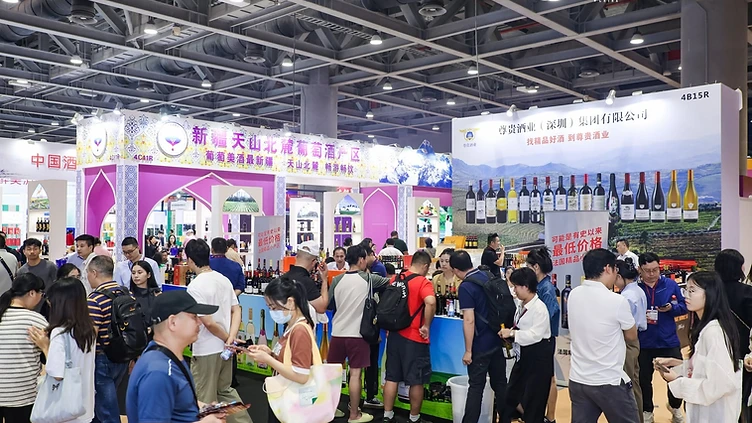
Founded in 2005—the milestone year China reduced wine import tariffs from 40% to 14%—Interwine (China [Guangzhou] International Wine & Spirits Exhibition) is organized by Canton Universal Fair Group Ltd. Held biannually at the China Import and Export Fair Pazhou Complex in Guangzhou, it has established itself as the gateway to the southern commercial corridor, where over 60% of mainland China’s imported wine businesses are concentrated according to Interwine's historical trade records via Wikiland. By combining focused exhibition spaces with cross-regional roadshows and structured networking, the platform provides direct access to pre-screened importers, regional distributors, and hospitality procurement leads.
China's Wine Market Context: Navigating Demand and Consumer Shifts
Entering the mainland Chinese market requires a clear-eyed assessment of shifting consumer behaviors and category performance. Research published by the Journal of Wine Economics (Kym Anderson, 2023) highlights that after years of explosive expansion, China's total wine consumption underwent a significant correction, driven by changing social dynamics, evolving retail channels, and domestic economic adjustments.
Concurrently, market sentiment surveyed in the ProWine Business Report 2025 shows that 52% of surveyed trade merchants expect a decline in volume sales of traditional imported dry still reds by 2027. However, the same industry forecast projects expanding consumer interest in:
- Crisp, dry still white wines (such as regional Sauvignon Blanc, Riesling, and indigenous varietals);
- Sparkling wines and Champagne;
- Low-alcohol and alcohol-free alternatives;
- High-end, estate-bottled wines backed by authentic regional narratives and distinct provenance.
For international wineries planning to become an exhibitor, this transformation means buyers are no longer seeking generic bulk-sourced labels. Importers, boutique concept bars, and modern retail buyers across Tier 1 and Tier 2 cities require distinctive brand positioning, accessible digital narratives, and pricing stability.
Pre-Fair Strategic Planning: Timeline and Importer Outreach
Commercial success at Interwine begins well before setting foot in Guangzhou. Data from BestWineImporters’ trade show planning research (2026) indicates that brands conducting structured pre-fair outreach 6 to 10 weeks prior to an event achieve significantly higher qualified lead conversion rates than exhibitors relying solely on walk-up booth traffic.
8 to 10 Weeks Before the Fair
- Finalize Portfolio Selection: Curate a focused lineup of 4 to 6 SKUs suited to South China's dining culture and climate. Crisp whites, fruit-forward medium reds, and sparkling wines are well received in Guangdong's Cantonese gastronomy ecosystem.
- Audit Commercial Pricing Sheets: Calculate tiered commercial pricing structures including Ex-Works (EXW), Free On Board (FOB), and Cost, Insurance, and Freight (CIF) to major ports (such as Shenzhen, Guangzhou, or Shanghai). Importers expect immediate, transparent answers regarding container-load logistics and mixed-pallet minimum order quantities (MOQs).
- Initiate Pre-Fair Contact: Cross-reference prospective buyer directories to pinpoint regional distributors that represent complementary, non-competing estates.
4 to 6 Weeks Before the Fair
- Schedule On-Site Meetings: Target 10 to 20 pre-booked commercial appointments through official channels and dedicated business matching services. Structured agendas ensure substantive discussions beyond casual booth tastings.
- Localize Marketing Collateral: Create digital product sheets and technical specifications accessible via WeChat mini-programs or QR codes. Chinese trade buyers rarely keep bulky print brochures; they prefer digital media containing Chinese tasting notes, brand origin videos, and technical certificates.
- Prepare Travel Documentation: Coordinate logistics, accommodation, and documentation. Non-domestic representatives must ensure business visas and official entry credentials are confirmed well in advance through invitation letter and visa support.
Customs, Compliance, and Sample Logistics
Navigating China’s customs environment is often the most critical barrier for foreign wineries. Non-compliant sample shipments or labeling errors can lead to customs detention and significant delays.
GACC Producer Registration (Decree 248)
All overseas production, processing, and storage facilities exporting food and alcoholic beverages to mainland China must be formally registered with the General Administration of Customs of China (GACC). Exhibitors must ensure that their GACC registration number is active and clearly documented on shipping paperwork.
Chinese Back-Label Compliance
Imported wine entering commercial distribution must bear an approved Chinese back-label compliant with national standards (including GB 7718 and GB 2758). Mandatory label elements include:
- Wine name and classification (in simplified Chinese characters);
- Total alcoholic strength by volume (% ABV);
- Ingredients list (including grapes, preservatives, and sulfites);
- Net volume (e.g., 750 ml);
- Country of origin, production region, and bottler details;
- Name, address, and contact information of the licensed domestic distributor or importer;
- Shelf-life/storage condition warnings and standard health advisories.
Sample Shipments (Exhibition vs. Commercial)
Samples shipped specifically for trade display must be consigned under proper temporary import carnet procedures or cleared through the organizer's appointed freight forwarder. Working with bonded warehouse providers prevents sample parcels from being stalled at customs checkpoints.
On-Site Commercial Execution: Booth Operations and Masterclasses
Your presence at the Pazhou Complex should function as an efficient commercial office. The objective is to evaluate distributor viability, articulate your winery's unique commercial value, and document actionable lead information.
Booth Layout and Pouring Logistics
Maintain an open, functional layout that accommodates two distinct zones: a public pouring bar for quick trade tastings and a semi-private seating area for commercial contract discussions. Ensure appropriate serving temperatures—especially for whites, sparkling wines, and lighter reds—by coordinating dedicated ice coolers and glassware with the venue.
Lead Qualification and Conversation Framework
Train your team to ask qualifying questions within the first two minutes of conversation:
- “In which provinces and city tiers does your distribution network primarily operate?”
- “What sales channels do you focus on: on-premise (hotels and dining), regional wholesale, corporate gifting, or e-commerce?”
- “What average retail price bracket generates the highest volume in your current catalog?”
- “Do you hold an active import license, or do you clear consignments through a third-party import agency?”
Maximizing Brand Exposure with Masterclasses
In addition to floor traffic, staging a curated tasting or regional masterclass amplifies brand recognition among specialized sommeliers, trade media, and key opinion leaders (KOLs). Review scheduled sessions via Interwine events to ensure your presentation avoids scheduling conflicts with major national pavilion tastings.
Post-Fair Follow-Up: Converting Inquiries into Long-Term Contracts
Closing deals in China requires disciplined communication and relationship-building (guanxi). Many promising leads falter because foreign wineries take weeks to follow up, while domestic buyers evaluate competing proposals within 48 hours.
- Connect via WeChat Within 24–48 Hours: Immediately message the contacts collected at your booth. Send a thank-you note that includes a photograph of your meeting, the specific wines tasted, and links to your localized product spec sheets.
- Segment Your Leads: Group contacts into three distinct categories:
- Priority Tier A: Licensed importers actively seeking immediate inventory to fulfill existing channel demand. Offer sample dispatch, negotiate commercial payment terms, and clarify exclusive provincial territories.
- Tier B: Sub-distributors or regional retailers who purchase via secondary importers. Connect them with existing partner importers or aggregate orders.
- Tier C: Media, private collectors, and speculative inquiries. Maintain their details for broader marketing newsletters.
- Follow-Up In-Market Roadshows: Reinforce momentum gained at the main exhibition by joining regional buyer roadshows. As reported by trade directories, Interwine organizes tasting roadshows covering more than 40 mainland Chinese cities annually, providing foreign brands an efficient mechanism to visit regional hubs in Hunan, Sichuan, Jiangsu, and Fujian alongside verified buyers.
Summary
Succeeding in China's transformed wine market requires strategic product selection, strict compliance with GACC regulations, and active in-person engagement with qualified buyers. By establishing transparent FOB/CIF pricing, leveraging targeted business matching, and executing rapid post-fair follow-up, international producers can establish resilient, scalable distribution partnerships. Review the exhibitor directory to benchmark market positioning, track regional consumer trends via market insights, and apply to become an exhibitor at the next Interwine session.
Sources
- Journal of Wine Economics – What's Happened to the Wine Market in China? (Kym Anderson, 2023)
- ProWine Business Report (ProWein / Geisenheim University, 2025)
- BestWineImporters – Major Wine & Spirits Expos & Exhibitor Planning (2026)
- Interwine China Historical Overview – Wikiland
Key Takeaways
- —Over 60% of mainland China's imported wine trade operations are clustered in the Guangdong and South China region, making Guangzhou an essential strategic hub for market entry.
- —Consumer demand is expanding beyond traditional reds toward dry whites, sparkling wines, and low-alcohol alternatives according to the ProWine Business Report 2025.
- —Exhibitors should complete commercial pricing sheets (EXW, FOB, CIF) and initiate importer outreach 6 to 10 weeks before the exhibition to secure qualified meetings.
- —GACC producer registration under Decree 248 and compliant Chinese back-labeling are non-negotiable legal requirements for product importation.
- —Rapid follow-up via WeChat within 24–48 hours of meeting is essential to convert floor leads into binding commercial contracts.
Frequently Asked Questions
When should international wineries begin preparing for Interwine?
Preparation should begin 8 to 10 weeks prior to the event. This window provides adequate time to select appropriate SKUs, calculate tiered EXW/FOB/CIF pricing, clear sample consignments through Chinese customs, and pre-book 10 to 20 distributor meetings.
What regulatory documentation is mandatory to exhibit and sell wine in China?
Overseas producers must hold a valid GACC manufacturer registration number under Decree 248. Commercial consignments require standard certificates of origin, sanitary/phytosanitary certificates, analysis certificates, and Chinese-compliant back labels that adhere to national food safety standards (GB 7718 and GB 2758).
Why is Guangdong Province central to China's imported wine trade?
Guangdong Province and the Greater Bay Area account for over 60% of mainland China's wine and spirits import network. Its mature commercial infrastructure, high disposable income, and active dining culture make it the primary hub for national wine distribution.
How can exhibitors pre-qualify Chinese wine importers at their booth?
Exhibitors should verify the buyer's active distribution territories (Tier 1 vs. lower-tier cities), core sales channels (on-premise, retail, private corporate, or digital), required price points, and whether they possess their own import license or utilize import clearance agencies.
What is the recommended post-fair follow-up protocol?
Follow up via WeChat within 24 to 48 hours of meeting on-site. Provide digital Chinese technical sheets, clear MOQ/CIF pricing parameters, and photos from your booth meeting to maintain brand recall before buyers finalize supplier selections.