How International Buyers Can Prepare for Interwine
A commercial B2B roadmap for international wine and spirits buyers preparing for Interwine Guangzhou, detailing sourcing targets, regulatory logistics, booth-meeting negotiation tactics, and travel execution.
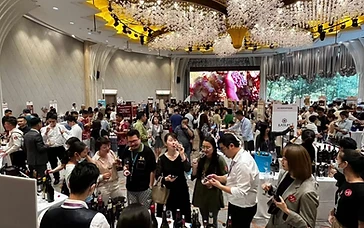
To succeed at Interwine China, international buyers—including global importers, regional distributors, hospitality procurement directors, and category managers—must treat the exhibition as an analytical sourcing campaign rather than a passive trade walk. Interwine stands as China's premier international wine and spirits platform, hosting over 600 exhibitors across 30,000 square meters of exhibition space in Guangzhou. Navigating an event of this scale requires a rigorous operational protocol spanning pre-fair producer vetting, regulatory compliance reviews, calibrated on-site negotiation, and disciplined post-show verification.
International buyers who approach the fair with pre-booked meetings, calculated margin expectations, and cultural fluency in mainland commercial negotiations secure distribution allocations that unorganized attendees miss. Whether you are sourcing boutique European estates, entering collaborative import-export ventures, or purchasing emerging Chinese domestic wines from Ningxia and Yunnan, preparation dictates commercial return on investment.
1. Portfolio Planning and Sourcing Objectives
Trade show readiness begins 8 to 12 weeks prior to arriving in Guangzhou. Sourcing without predefined portfolio parameters leads to tasting fatigue, diluted purchasing power, and poorly matched stock. Before booking travel, define exact procurement thresholds across four foundational operational pillars:
- Category Balance and Regional Scope: Determine whether your import inventory requires mid-tier volume SKUs (such as Chilean Cabernet Sauvignon or Spanish Tempranillo) or margin-defensive boutique labels (such as grower Champagnes, organic Italian DOCGs, or artisanal Scotch and single malt whiskies). Note that Interwine also provides direct access to premium Chinese domestic estates gaining global traction.
- Incoterms and Pricing Architecture: Establish target FOB (Free On Board) and CIF (Cost, Insurance, and Freight) pricing models before tasting. Account for inland freight, consolidation costs, and dynamic customs clearance tariffs. Sourcing specialists must establish maximum landing prices to protect retail and on-premise margins.
- Distribution Channel Alignment: Align volume expectations with your target sales channels—on-premise hospitality (Horeca), independent fine wine retail, corporate gifting, or e-commerce cross-border platforms.
- Volume and Allocation Realism: Calculate minimum order quantities (MOQs) acceptable to your business. While family-owned vineyards frequently negotiate half-pallet mixed consignments, larger industrial cooperatives demand full-container-load (FCL) commitments.
Before finalizing schedules, evaluate exhibitor offerings through the official Exhibitor Directory and cross-reference prevailing category patterns using Market Insights.
2. Regulatory and Customs Intelligence
Importing alcoholic beverages into mainland China or transshipping stock across East Asian hubs involves stringent administrative protocols governed by General Administration of Customs of China (GACC) decrees. In accordance with GACC Decree 248, all overseas food and beverage manufacturing, processing, and storage facilities exporting to China must hold valid GACC facility registrations. International buyers sourcing inventory destined for mainland Chinese distribution or bonded warehousing must verify that overseas wineries possess active registration codes.
Additionally, national food safety standard GB 7718-2011 mandates comprehensive Chinese back-label compliance. Mandatory label items include net content, alcohol by volume (ABV), producer registration numbers, production dates, ingredient lists (including sulfur dioxide declarations), and designated Chinese shelf-life classifications. Importers must confirm who bears responsibility for label design, translation, and CIQ (China Inspection and Quarantine) compliance filing before signing procurement contracts.
International buyers managing outbound transshipment to their home markets (such as Southeast Asia, Europe, or the United States) should verify that exhibitors maintain export clearance licenses and provide standard documentation packs: Certificates of Origin, electronic phytosanitary and health certificates, full laboratory analytical reports, and third-party bills of lading.
3. Targeted Pre-Fair Scheduling and Vetting
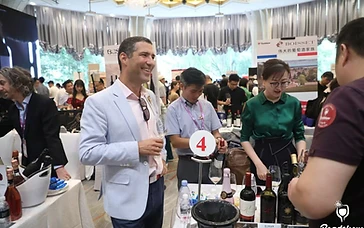
Walking 30,000 square meters without a structured calendar reduces commercial productivity. Experienced professional buyers pre-schedule 10 to 18 targeted meetings across the three exhibition days.
| Phase | Timeline | Core Action Items | | :--- | :--- | :--- | | Phase 1: Screening | 6–8 Weeks Prior | Filter the Exhibitor Directory by production country, varietal, and price band; verify producer track records and financial viability. | | Phase 2: Outreach | 4–6 Weeks Prior | Request technical sheets, current harvest yields, and FOB/CIF price lists via structured digital outreach. | | Phase 3: Scheduling | 2–4 Weeks Prior | Reserve dedicated meeting slots on the official Business Matching platform; lock dates for private pavilion tastings. | | Phase 4: Confirmation | 1 Week Prior | Reconfirm booth numbers, contact phone/WeChat details, and confirm that requested benchmark samples have arrived on site. |
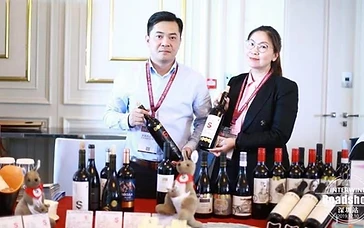
Reserving structured appointments in advance allows exhibitors to set aside specialized vintages, reserve private tasting tables, and introduce senior commercial export directors rather than junior sales staff.
4. On-Site Negotiation Strategies for Commercial Buyers
Conducting commercial discussions at Interwine requires professional speed, clear criteria, and immediate qualification. Adhere to these proven trade execution protocols during appointments:
Lead with Portfolio Economics, Not Casual Conversation
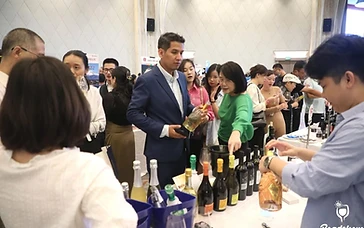
Professional producers respect buyers who understand market realities. After sampling and assessing wine quality, open negotiations by defining your target retail market, intended distribution channels, and realistic annual container or pallet turnover. Inquire about existing territorial exclusivity agreements in your jurisdiction to ensure rights are unencumbered.
Evaluate Technical and Packaging Integrity
Assess production stability beyond organoleptic characteristics. Examine glass weight, carton durability for maritime transport, closure integrity (natural cork versus screwcap preferences by destination market), and barcoding precision (EAN/UPC verification). Inquire about vintage-to-vintage supply elasticity to avoid carrying SKUs that cannot be replenished during seasonal market spikes.
Establish Protocol for Commercial Sample Dispatch
Never make binding purchase orders based solely on warm trade fair pours. Request that factory-sealed, temperature-monitored follow-up sample bottles be dispatched to your corporate tasting room or bonded facility post-event for formal sensory evaluation under controlled conditions.
To lock in your access badge and review verified schedules before reaching the venue, make sure to Book Your Visit.
5. Travel, Logistics, and Guangzhou On-Site Execution
Attending a mega-fair in Guangzhou requires thoughtful logistics management. Interwine is hosted in the heart of South China's international trading corridor, accessible via Guangzhou Baiyun International Airport (CAN) and high-speed rail links from Hong Kong and Shenzhen.
- Visa Procedures: International buyers requiring commercial entry visas (M Visa) must secure formal trade invitation credentials well in advance via the Invitation Letter and Visa Support portal. Ensure passports have at least six months of validity.
- Transit Infrastructure: Review the city's ground transit routing via Arrival and Transportation. Guangzhou Metro Line 8 connects directly to the Pazhou exhibition complex, bypassing highway traffic during peak hours.
- Lodging Strategy: Reserve partner hotels adjacent to the Pazhou complex through Hotel Accommodation to reduce transit delays and facilitate evening networking banquets.
- Digital Tooling: Download and configure essential mainland applications ahead of departure. WeChat is necessary for exchanging contact cards, sending instant catalog requests, and receiving on-site location pins. Ensure international roaming or an enterprise eSIM is active for seamless access to corporate communication systems.
6. Post-Fair Follow-Up Framework
Deal flow breaks down when post-fair communication is delayed. Professional buyers categorize leads immediately each evening:
- Priority A (Imminent Contracting): Request pro-forma invoices, confirm vintage allocations, and secure sample dispatch deadlines within 5 business days.
- Priority B (Conditional Evaluation): Request updated laboratory technical analysis, check minimum blending runs, or evaluate regional retail pricing competition.
- Priority C (Information Archive): File digital collateral and catalog cards for future category reviews or replacement benchmarking.
Conclusion: Maximize Your Commercial Presence
Navigating Interwine successfully requires disciplined planning, rigorous compliance verification, and decisive commercial negotiation. By setting clear sourcing specifications, pre-booking producer appointments, and mastering Guangzhou's logistics, international buyers secure reliable supply chains and defensible profit margins. Take the initial step today: register your credentials and Book Your Visit to connect directly with the global wine and spirits trade.
Sources
- General Administration of Customs of the People's Republic of China (GACC) - Decree 248 Facility Registration Guidelines: http://english.customs.gov.cn
- Wine Australia - Exporting and Trade Show Strategies: https://www.wineaustralia.com
- National Food Safety Standard of China (GB 7718-2011) General Rules for the Labeling of Prepackaged Foods: http://www.nhc.gov.cn
- BestWineImporters - Interwine China Trade Fair Analysis & Buyer Preparation Protocols: https://www.bestwineimporters.com
Key Takeaways
- —Define concrete purchasing thresholds, target FOB/CIF margins, and channel-specific MOQs at least 8 to 12 weeks before attending.
- —Verify manufacturer compliance under GACC Decree 248 and inspect back-label requirements (GB 7718-2011) before entering procurement agreements.
- —Pre-schedule 10 to 18 high-yield producer meetings via official business matching platforms rather than relying on unguided floor walks.
- —Secure commercial entry documents early through the official invitation letter portal and arrange transit along Guangzhou Metro Line 8 to Pazhou.
- —Structure immediate post-fair follow-up within 5 business days using segmented priority tiers to convert tasting discussions into binding contracts.
Frequently Asked Questions
When should international buyers begin preparing for Interwine?
Preparation should ideally start 8 to 12 weeks before the fair opens. This lead time is essential for reviewing exhibitor catalogs, pre-booking business matching meetings, requesting sample technical sheets, and completing Chinese business visa (M Visa) application requirements.
What regulatory documents must be verified when sourcing wine for the Chinese market?
Buyers must verify that the overseas production facility holds an active GACC registration number under Decree 248. Furthermore, prepackaged goods must comply with China's GB 7718-2011 labeling regulations, accompanied by official Certificates of Origin, sanitary certificates, and laboratory chemical analysis reports.
How many meetings should an international buyer schedule per day at Interwine?
A realistic and productive schedule consists of 4 to 6 structured meetings per day, totaling 12 to 18 meetings across the three-day event. This schedule allows sufficient time for sensory tasting, technical evaluation, commercial margin negotiations, and travel across the exhibition pavilions.
What is the best way to travel to the Interwine venue in Guangzhou?
Interwine is held at the Pazhou exhibition complex in Guangzhou. The most reliable transportation method is Guangzhou Metro Line 8 (Pazhou Station or Xingangdong Station), which provides direct access and avoids highway surface traffic during peak morning and evening show hours.
Can international buyers source domestic Chinese wines at Interwine?
Yes. While Interwine features global national pavilions from Europe, the Americas, and Australasia, it also gathers premier domestic Chinese producers from renowned regions such as Ningxia (Helan Mountain East Foothills), Xinjiang, and Yunnan, offering direct sourcing access for international export portfolios.