Interwine Visitor Guide
Plan your commercial visit to Interwine China with this executive guide covering buyer registration, sourcing strategies, business matching, and Pazhou logistics.
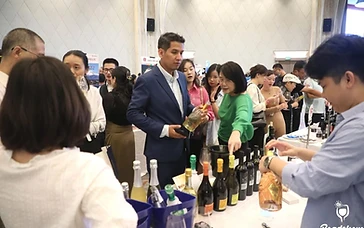
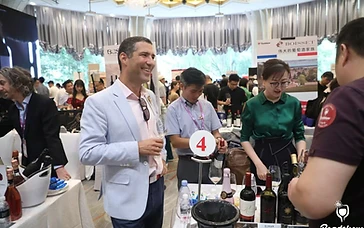
For professional wine importers, national distributors, retail chain buyers, and hospitality procurement directors, visiting Interwine China represents an essential gateway into Mainland China’s dynamic alcohol market. Founded in 2005 by Canton Universal Fair Group Ltd., Interwine stands as China's longest-running and largest specialized B2B wine and spirits exhibition. Held biannually in Guangzhou—the commercial heart of the Guangdong-Hong Kong-Macao Greater Bay Area—the fair spans up to 50,000 square meters, bringing together overseas wineries, regional pavilions from over 50 countries, and tens of thousands of trade visitors. Navigating an exhibition of this magnitude requires structured sourcing preparation, precise on-site logistics, and proactive supply chain verification.
Before finalizing your travel schedule, ensure your credentialing is approved by reviewing the registration requirements and securing your trade badge early via /book-your-visit.
Why Sourcing at Interwine Matters for B2B Buyers
Guangdong Province constitutes the economic anchor of China's imported wine ecosystem. Industry import distribution statistics compiled by Beverage Trade Network (2024) show that the Guangdong region boasts a population exceeding 110 million, with regional distributors accounting for more than 60% of Mainland China's total imported wine trade. This geographic concentration gives commercial buyers direct access to established distribution channels spanning Mainland tier-1 cities, Hong Kong, and Macao.
Unlike mixed-sector consumer fairs, Interwine operates on a strictly professional business-to-business model. The event is recognized by the Chinese Ministry of Commerce as an officially guided international wine trade platform hosted at the China Import and Export Fair Complex (Canton Fair Complex) in Pazhou. For global producers seeking importers, or domestic buyers seeking exclusive national distribution rights, the fair eliminates intermediate trading layers. Attendees can directly negotiate commercial terms, container-load volumes, and private-label agreements with winemakers, regional trade boards, and primary brand principals.
Key Exhibition Zones and Layout Architecture
The exhibition is organized into thematic halls designed to streamline commercial sourcing across varying price tiers and product styles:
- National and Regional Pavilions: Official delegations curated by foreign trade commissions, regional wine associations, and chambers of commerce from leading producing nations such as France, Italy, Spain, Chile, Argentina, and South Africa.
- Spirits, Baijiu, and Craft Distillations: Dedicated sectors for international spirits (whisky, cognac, gin) alongside high-end domestic liquors.
- Winery Direct & Boutique Estates: Focused showcases for independent producers looking to establish first-time importer relationships in China.
- Hospitality & On-Trade Procurement: Tailored selections meeting the regulatory and margin requirements of hotels, duty-free retail, airlines, and high-volume dining groups.
To optimize your sourcing route before arrival, consult the digital /exhibitors list to cross-reference participating producers against your portfolio gaps.
Preparing Your Commercial Sourcing Agenda
Attending Interwine without a targeted procurement brief can lead to inefficient sourcing. Experienced alcohol procurement managers execute four structured pre-fair steps:
1. Portfolio Analysis and Tariff Planning
Assess product categories where consumer demand is transitioning. With Chinese wine consumers diversifying into boutique varietals, crisp whites, and premium spirits, define precise target ex-cellar or FOB price points before stepping onto the show floor. Account for customs tariffs, value-added tax (VAT), and domestic cold-chain distribution costs when evaluating import viability.
2. Pre-Scheduling Targeted Meetings
Interwine hosts dedicated VIP buyer matchmaking services connecting vetted overseas producers with domestic trade buyers. Rather than relying entirely on spontaneous booth walk-ins, schedule verified one-on-one sessions through /business-matching to ensure key commercial directors and estate export managers allocate dedicated time for formal pricing discussions.
3. Setting Up Compliance and Documentation Vetting
Importing bottled beverages into Mainland China requires adherence to regulatory standards overseen by the General Administration of Customs of the People's Republic of China (GACC). Trade visitors sourcing new brands must verify whether participating overseas producers hold active GACC overseas manufacturer registration codes. Preparing documentation criteria—including CIQ food safety labeling, certificate of origin protocols, and sanitary analysis requirements—prevents contractual delays following order placement.
4. Structuring Educational Sessions and Masterclasses
Interwine is renowned for its parallel programming, hosting sommelier masterclasses, regional trend symposiums, and sommelier-led tastings. Align your exhibition walk with the scheduled masterclasses and industry forums via /events to identify newly recognized appellations gaining traction among regional distributor networks.
Navigating the Pazhou Venue: Transport and On-Site Logistics
Interwine China is held in Guangzhou’s Pazhou exhibition district, primarily utilizing the Canton Fair Complex (Area A) or the adjacent Poly World Trade Center (PWTC) Expo at 1000 Xingang East Road, Haizhu District.
Transit and Metro Access
The venue is directly served by Line 8 of the Guangzhou Metro. Alight at Pazhou Station (Exits A or B for Canton Fair Complex Area A) or Xingangdong Station for direct concourse access to adjacent exhibition halls. High-speed rail connections from Guangzhou South Railway Station reach Pazhou in approximately 40 minutes via metro or express taxi.
Overseas Visitor Arrival and Border Formalities
International trade professionals traveling via Guangzhou Baiyun International Airport (CAN) or ferry terminals from Hong Kong must ensure entry travel documents are synchronized with the fair dates. Check entry regulations and confirm your business documentation through /invitation-letter well in advance of travel.
Registration and Entry Protocols
Interwine enforces strict trade badge access. Pre-registered trade buyers avoid long verification queues at on-site registration desks. Bring professional credentials, including your digital buyer pass, corporate business cards, and valid government ID or passport for identity verification.
Commercial Evaluation: Transitioning from Fair Floor to Purchase Orders
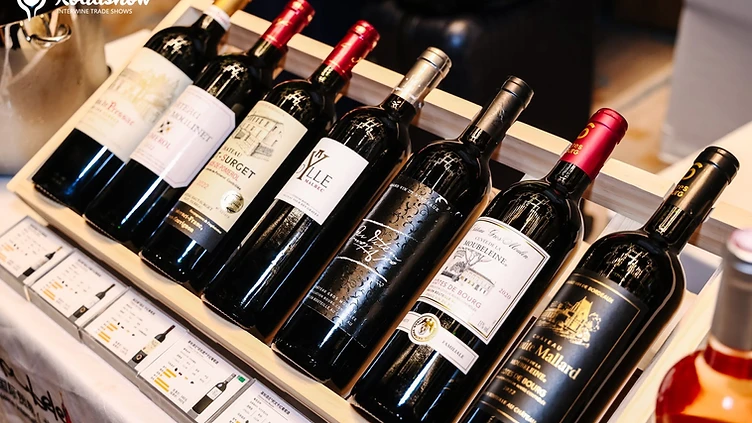
Maximizing return on investment from Interwine requires clear post-fair execution. When sampling wines at exhibitor booths, note lot availability, sample condition, and minimum order quantities (MOQs). Obtain stamped commercial specification sheets that define packaging formats, bottle weights, and FOB/CIF shipping terms.
Directly following the fair, categorize supplier contacts into immediate purchase orders, trial consolidation shipments, and long-term pipeline development. For foreign producers seeking broader visibility across China’s inland logistics hubs, Interwine organizes multi-city national roadshows throughout the year across dozens of provincial capitals, extending commercial conversations beyond the biannual Guangzhou fairs.
Sources
- Interwine China Official Portal
- Beverage Trade Network - China Wine Competition & Interwine Partnership
- Wikipedia: Interwine China Exhibition History
- EventsEye World Trade Show Directory: Interwine China Profile
Key Takeaways
- —Interwine China is the country's longest-running B2B wine and spirits exhibition, held biannually in Guangzhou's Pazhou exhibition hub.
- —Guangdong Province accounts for over 60% of Mainland China's imported wine distribution, making Interwine the premier regional gateway.
- —Trade buyers must prepare GACC compliance checklists and verify overseas producer registration codes prior to placing commercial orders.
- —Pre-scheduling sessions via organized business matching delivers significantly higher sourcing efficiency than unstructured floor visits.
- —Convenient transport is anchored by Line 8 of the Guangzhou Metro at Pazhou and Xingangdong stations adjacent to the fair halls.
Frequently Asked Questions
What is Interwine China and who should attend?
Interwine China (China International Wine & Spirits Exhibition) is China's premier biannual B2B trade exhibition held in Guangzhou. It is designed specifically for wine importers, distributors, wholesalers, supermarket buyers, hotel food and beverage directors, sommeliers, and international estate owners looking to expand distribution in Mainland China.
Where does Interwine take place and how do I get there?
The exhibition is held in Guangzhou's Pazhou commercial exhibition district, primarily at the China Import and Export Fair Complex (Canton Fair Complex) or the adjacent Poly World Trade Center (PWTC) Expo. Visitors can easily reach the venue via Line 8 of the Guangzhou Metro, exiting at Pazhou Station or Xingangdong Station.
Is admission to Interwine free for international trade visitors?
Admission is free for verified alcohol industry professionals, importers, retailers, and distributors who complete pre-registration online. Visitors must present professional business credentials, corporate identification, and a valid national ID or passport upon collection of their badge.
How can buyers arrange one-on-one meetings with specific wineries?
Interwine organizes formal VIP business matching sessions prior to and during the exhibition. Registered trade visitors can review participating winery profiles and schedule dedicated meeting times with international estate owners and regional export directors.
What import regulations must buyers consider when negotiating contracts?
Buyers must verify that overseas wineries comply with General Administration of Customs of China (GACC) facility registration rules, Chinese label approval protocols, and standard laboratory testing and customs quarantine (CIQ) requirements before finalizing import shipments.