How to Generate More Buyer Meetings at Interwine
Discover proven commercial strategies to maximize qualified B2B buyer meetings at Interwine, from pre-show business matching and localized pitch decks to post-event WeChat closing workflows.
To generate more buyer meetings at Interwine, international wineries and brand owners must abandon passive booth-sitting in favor of a disciplined, three-stage commercial workflow. Success in China’s imported wine sector requires securing qualified appointments before arriving at the show floor, leveraging official B2B matchmaking, tailoring product positioning to local distribution tiers, and executing frictionless follow-ups.
With major industry gatherings hosted at world-class trade venues such as Guangzhou’s Canton Fair Complex, international producers have direct access to regional distributors, national importers, private-label brand operators, and hospitality procurement directors. However, gaining their commercial attention demands preparation tailored to current market dynamics.
1. Map the Chinese Wine Buyer Landscape and Demand
Securing commercial meetings requires targeting specific buyer categories rather than pitching generic portfolios to general walk-up traffic. The imported wine market in mainland China features three distinct buyer segments, each with unique margin expectations and sourcing criteria:
- First-Tier National Importers & General Agents: These buyers look for scalable brand equity, protected regional distribution exclusivity, reliable marketing co-op budgets, and proven stability. They demand complete import compliance, including China Customs (GACC) facility registration, Chinese-language back-label approvals, and palletized shipping agility.
- Regional Distributors & Wholesalers (Tier 2 and Tier 3 Cities): Driven by commercial banquet culture, wedding demand, corporate gifting, and specialized regional retail, these partners prioritize commercial margins, distinctive packaging, heavy bottles, and attractive suggested retail price (SRP) structures over boutique provenance.
- On-Trade, Specialty Retail, and Private-Label Aggregators: These accounts seek flexible Minimum Order Quantities (MOQs), authentic storytelling, organic or biodynamic certification, and tailored private-label (OEM/ODM) arrangements.
Reviewing historical attendee datasets and the Exhibitor Directory helps brands identify the categories of buyers that consistently visit Interwine. Understanding these buyer personas ensures that your initial outreach addresses their actual pain points rather than generic brand features.
2. Leverage Pre-Fair Matchmaking and Interwine Match Systems
Waiting until the exhibition hall opens to generate leads yields inconsistent foot traffic and lower lead qualification. Top-performing global wine brands secure 60% to 70% of their core business schedule at least two to three weeks before opening day.
Take full advantage of Interwine's dedicated matchmaking programs by utilizing Business Matching services. Interwine acts as a trade bridge across mainland China, working alongside regional beverage associations to invite pre-vetted purchasing delegations.
To maximize meeting bookings:
- Submit Complete Digital Catalogues Early: Ensure bottle specifications, Ex-Works (EXW) or Free on Board (FOB) pricing tiers, CIF China benchmarks, and grape varieties are uploaded clearly.
- Filter Prospects by Commercial Scale: Reach out directly to vetted procurement heads with concise, value-focused invitations.
- Align Availability: Block out dedicated meeting windows on your calendar, allowing adequate buffers between appointments for translation and tasting protocols.
Producers preparing their trip should review Arrival and Transportation and reserve logistics early to guarantee that commercial teams and tasting samples arrive on schedule.
3. Create a Localized Commercial Pitch (Beyond Terroir)
International wineries often commit the error of focusing exclusively on soil minerality, family heritage, and viticultural techniques. While prestige matters, commercial buyers in China make decisions based on margin preservation, channel protection, logistics speed, and customs viability.
Essential Components of an Interwine Pitch Deck
- Clear Commercial Terms: Display clear FOB port-of-origin and estimated CIF Guangzhou/Shenzhen costs, MOQ thresholds per SKU, and mixed-container options.
- Regulatory Clearance Readiness: Highlight your GACC registration status and confirm whether your analytical certificates comply with Chinese National Food Safety Standards (GB standards).
- Bilingual Spec Sheets and Sell Sheets: Ensure every technical sheet is translated into simplified Chinese. Highlight critic accolades (Decanter, Robert Parker, James Suckling) using universally recognized numerical scores.
- Channel Protection Commitments: Reassure prospective distributors that your brand will not be undercut by unauthorized cross-border e-commerce discounting or gray-market parallel importing.
For ongoing updates on Chinese regulatory shifts, tariff adjustments, and regional consumption patterns, consult our Market Insights hub.
4. Booth Geometry: Designed for Focused Buyer Deal-Making
Your exhibition space must function as an operational deal room rather than just a casual tasting counter. Booth layout directly influences meeting volume and conversion rates.
- Establish a Dedicated B2B Meeting Zone: Divide your booth into two distinct zones: a forward-facing tasting bar to capture interest, and a semi-private seated table with comfortable chairs for reviewing price lists and contracts.
- Feature High-Impact Bilingual Signage: Prominently display country of origin, key grape varietals, wholesale supply capabilities (OEM/Estate-bottled), and your WeChat corporate QR code.
- Prepare Operational Tasting Equipment: Have proper glassware, temperature-controlled chilling equipment, dump buckets, and neutral water stations ready to keep tasting meetings professional and efficient.
Producers seeking optimal high-traffic positioning and turnkey booth structures should coordinate directly through Become an Exhibitor.
5. Master In-Person Chinese Business Etiquette and Communication
In China's wine industry, professional rapport and cultural fluency accelerate commercial deals. Small adjustments in business etiquette build substantial credibility:
- Professional WeChat Integration: WeChat is the primary medium for Chinese B2B commerce. Every booth team member must have their personal and corporate WeChat QR codes readily accessible on mobile devices, printed badges, and marketing collaterals.
- Bilingual Trade Interpreters: If your winery principals do not speak Mandarin, hire an experienced wine interpreter. A capable translator understands industry terminology—such as danning (tannins), suandu (acidity), and yuanchang zhuangping (estate-bottled)—preventing costly misunderstandings during commercial negotiations.
- Name Card Protocols: Exchange business cards using both hands, taking a moment to study the buyer’s title and regional jurisdiction before setting the card respectfully on the table during negotiations.
6. Host Targeted Side Events and Masterclasses
High-profile buyers frequently split their time between the main exhibition floor and educational side events. Presenting your wines within educational contexts elevates brand positioning and attracts qualified wholesale buyers.
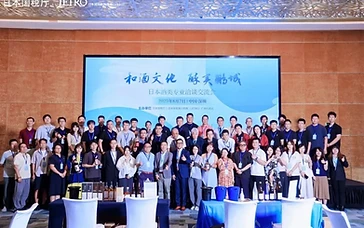
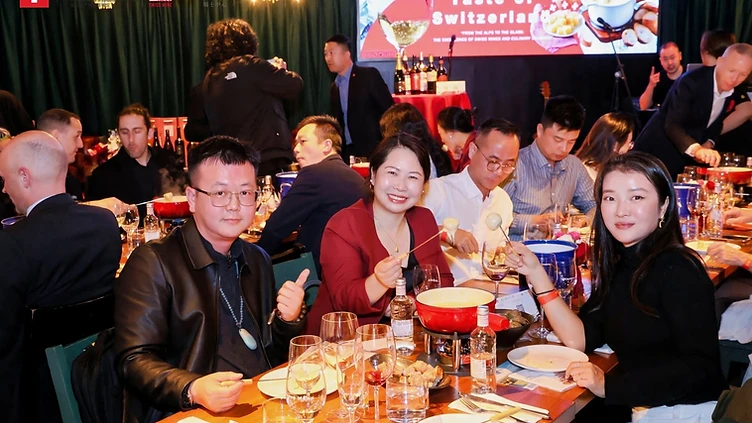
Participating in or sponsoring sessions curated under Interwine Events allows winemakers and brand ambassadors to lead masterclasses in collaboration with regional sommelier associations and influential wine educators. Presenting to an auditorium of 40 to 80 qualified trade buyers pre-screens your audience, transforming educational interest into private booth appointments immediately afterward.
7. Fast-Track Post-Show Lead Conversion
Trade show ROI is often lost in the post-show follow-up window. In the fast-paced Chinese commercial environment, waiting a week to email a lead often results in a lost opportunity.
- Same-Day WeChat Connection: Log every qualified meeting immediately. Add the buyer on WeChat while they are still at your booth, tagging them with a photo of their business card and the specific wines they tasted.
- Digital Sample Request Handling: Confirm sample delivery arrangements within 48 hours following the event, utilizing reliable domestic express couriers.
- Tiered Follow-Up Cadence: Categorize contacts into Tier A (ready to negotiate contracts/sample orders), Tier B (evaluating portfolio fit), and Tier C (general industry contacts). Tailor your follow-up messaging accordingly.
By executing this strategic approach across pre-show matchmaking, booth design, bilingual collateral preparation, and agile post-fair follow-up, international wine brands can maximize their commercial return and secure lasting distribution partnerships.
Sources
- Interwine China Official Portal
- General Administration of Customs of the People's Republic of China (GACC)
- International Organisation of Vine and Wine (OIV)
- BestWineImporters Wine Trade Show Analysis
Key Takeaways
- —Pre-schedule 60% to 70% of commercial meetings using official digital matchmaking tools prior to arriving at the fair.
- —Tailor pitch decks to address distributor margins, GACC compliance, CIF pricing, and channel protection rather than relying solely on terroir.
- —Structure your booth with a distinct, semi-private seated meeting zone separate from walk-up tasting counters.
- —Use WeChat QR codes on all badges, spec sheets, and booth backdrops for immediate digital lead capture and same-day follow-up.
- —Leverage official masterclasses and tasting events to generate qualified, pre-screened distributor meetings.
Frequently Asked Questions
When should international exhibitors begin booking buyer meetings for Interwine?
Exhibitors should begin their buyer outreach 4 to 6 weeks prior to the exhibition. This timing allows international brands to leverage the official business matching platform, coordinate with regional trade delegations, and pre-qualify distributor requirements before arriving on-site.
What commercial information do Chinese wine buyers expect during a meeting?
Chinese buyers expect clear FOB origin or CIF Chinese port price lists, Minimum Order Quantities (MOQs), Chinese back-label compliance status, GACC manufacturer registration codes, exclusive regional channel policies, and details on available marketing support.
How important is WeChat for generating and closing meetings at Interwine?
WeChat is essential. Most Chinese importers, wholesalers, and procurement directors conduct business communications, schedule meetings, exchange product sheets, and finalize trade sample requests directly through WeChat rather than email.
Can small boutique wineries successfully secure distributor meetings at Interwine?
Yes. While large commercial brands cater to mass-volume retail, many regional Chinese importers, boutique wine clubs, and on-premise hotel groups specifically seek artisanal, organic, or low-intervention estate wines with authentic regional stories and controlled distribution.
How does participating in an Interwine masterclass help drive booth appointments?
Hosting or participating in a guided masterclass positions your brand as an educational authority. It gathers 40 to 80 qualified trade professionals in a structured tasting setting, making it easy to invite engaged buyers to your booth for detailed negotiations immediately afterward.