Is Exhibiting at Interwine Worth It for International Wine Brands?
Evaluating whether exhibiting at Interwine is worth it for international wine brands requires analyzing buyer demographics, regional market access in South China, and realistic commercial ROI.
Deciding whether to exhibit at an overseas trade exhibition is one of the most critical commercial decisions an export manager or winery owner faces. For international wine producers targeting Mainland China and the broader Asia-Pacific region, Interwine (the China [Guangzhou] International Wine & Spirits Exhibition) regularly appears on the shortlist. Established in 2005 by Canton Universal Fair Group Ltd, Interwine is recognized as the largest international wine exhibition in Mainland China and the only wine and spirits fair approved to exhibit at the Canton Fair Complex (Guangzhou International Convention and Exhibition Center) in Pazhou.
Evaluating whether participating in Interwine makes commercial sense requires cutting through marketing noise. Producers must assess buyer demographics, geographical market strengths, commercial trade friction, and realistic return on investment (ROI).
The Strategic Landscape of South China’s Wine Market
When evaluating any exhibition, location dictates buyer composition. According to historical customs and industry network records compiled by Interwine Wikipedia Reference (2025), over 60% of Mainland China's imported wine ecosystem is concentrated in Guangdong province. This makes the Greater Bay Area (comprising Guangdong, Hong Kong, and Macau) the undisputed distribution and logistical engine of China’s imported wine trade.
Guangdong alone boasts a consumer base exceeding 110 million people, reinforced by high disposable income and established alcohol consumption habits. Unlike northern distribution hubs that lean heavily on state-owned retail distribution networks, South China’s trade network is populated by agile private wine importers, mid-sized regional wholesalers, high-end hospitality operators, and specialized retail chains.
Research published by MS Advisory (2026) valued China's wine market at $40.4 billion in 2024, projecting continued expansion at a compound annual growth rate (CAGR) exceeding 11%. For international brands seeking commercially solvent regional distributors, exhibiting in Guangzhou puts your product directly in front of the operators who control South China's distribution pipelines.
Audience Composition: Who Actually Walks the Floor?
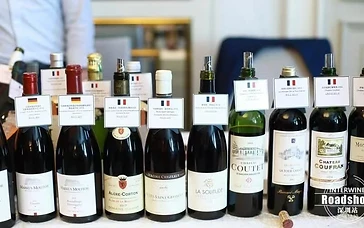
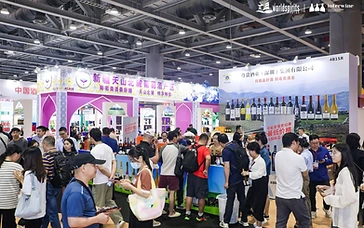
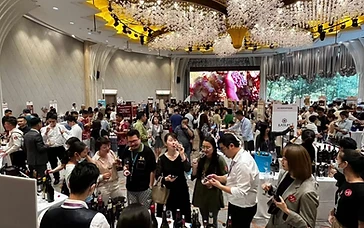
A primary question for international export directors is whether an exhibition delivers qualified commercial buyers or simply lifestyle consumers. Interwine operates under a dedicated B2B structure. The exhibition draws between 20,000 and 50,000 professional trade visitors per session depending on the edition, sourced across three distinct tiers:
- First-Tier Importers and Customs Clearing Distributors: Businesses holding direct import licenses, bonded warehouse logistics, and established nationwide sub-distribution networks.
- Regional Wholesalers and Secondary Distributors: Tier-2 and Tier-3 city wine merchants from provinces such as Fujian, Hunan, Guangxi, and Zhejiang who visit Guangzhou specifically to source portfolio exclusives.
- On-Trade and Corporate Group Buyers: Procurement managers from luxury hotel groups, private clubs, high-end restaurant chains, and corporate gift suppliers looking for reliable direct allocations.
To bridge the gap between foot traffic and contracted orders, the fair integrates structured Business Matching services. These curated sessions pre-screen foreign wineries against concrete purchasing briefs submitted by verified Chinese importers, ensuring that brand owners do not rely solely on random aisle walk-ins.
Realistic ROI Analysis: What Does Success Cost vs. Yield?
Calculating trade fair ROI requires an objective framework. As outlined in event benchmarking analyses by IBTM World (2025), assessing trade fair success requires comparing total capital outlay—booth rental, custom fabrication, sample freight, customs clearance, travel, and staffing—against direct sales volume, lead quality, and brand equity growth.
+-------------------------------------------------------------------------+
|                    EXHIBITOR INVESTMENT & VALUE METRICS                 |
+-------------------------------------------------------------------------+
|  Direct Cost Factors:                                                   |
|  • Stand space & construction (Raw space vs. Shell scheme)              |
|  • Consolidated sample freight & bonded customs clearance               |
|  • Translation, marketing materials & professional booth staff          |
|  • Travel, lodging & business hospitality                               |
+-------------------------------------------------------------------------+
                                     vs
+-------------------------------------------------------------------------+
|  Commercial Deliverables:                                               |
|  • Number of verified, qualified distributor leads                      |
|  • Securing exclusive provincial or municipal agency agreements         |
|  • Placement in on-trade lists and regional retail portfolios           |
|  • In-market intelligence on consumer palates and price resistance      |
+-------------------------------------------------------------------------+
For an international winery without an established in-market footprint, expecting immediate container-load spot orders on Day 1 is an unrealistic metric. Trade contracts in China are relationship-driven and demand thorough vetting. A successful Interwine exhibition typically yields 15 to 30 high-priority commercial leads, leading to formal sampling, facility audits, and negotiated distributor agreements over the following 3 to 6 months.
Producers can review the verified list of previous attendees via the Exhibitor Directory to evaluate peer participation and category representation across European, South American, and Australasian origins.
Brand Profiles: Who Benefits Most and Who Should Reconsider?
Interwine does not offer a one-size-fits-all return. Commercial viability depends entirely on your winery's positioning, pricing flexibility, and readiness to navigate Chinese import compliance.
Brands That See Strong Returns:
- Commercial-Scale Wineries with Flexible Private-Label Options: Importers frequently look for high-value, entry-level to mid-tier wines ($2.00–$6.00 FOB) suitable for large-scale e-commerce channels or corporate gifting.
- Established Regional Flagships (AOC/DOCa/DOC): Producers possessing recognizable origin certifications who can support an importer with marketing subsidies, co-branded masterclasses, and collateral.
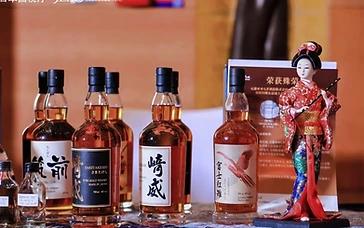
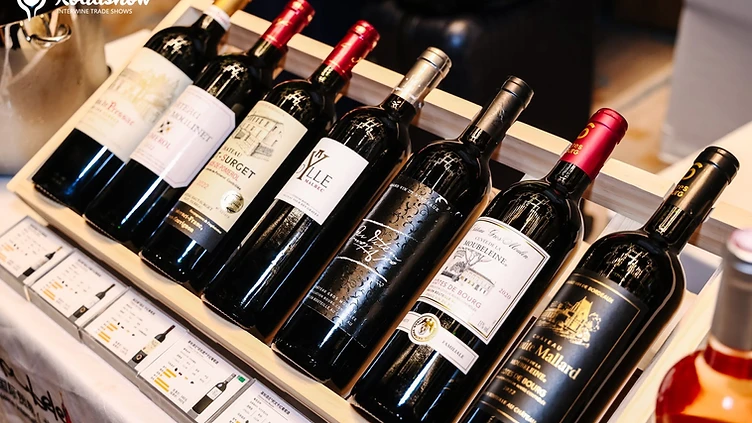
- Niche Spirits and High-Scoring Fine Wines: Through dedicated zones such as the "90+ Awarded Wine Zone" and specialized spirits pavilions, high-tier boutique producers attract boutique importers catering to collector and tier-one on-trade segments.
Brands That May Struggle:
- Micro-Boutique Producers Without Export Capacity: Wineries unable to supply at least one consolidated pallet per order or unwilling to adapt back-label compliance to Chinese customs standards.
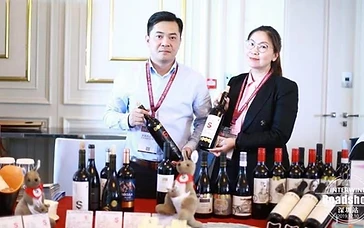
- Unprepared Brands Lacking In-Market Representation: Exhibitors who arrive without Chinese-language tasting sheets, WeChat-accessible collateral, or Mandarin-speaking booth staff often fail to convert buyer interest into commercial discussions.
Before confirming participation, teams should review current trade dynamics in our Market Insights section to verify current tariff schedules, category demand shifts, and import regulations.
Strategic Execution: Maximizing Booth Value
If you decide to register, your execution strategy will dictate whether your booth turns into a profit center or an expensive marketing exercise.
- Secure Official Pre-Show Masterclasses: Interwine organizes over 60 concurrent educational events per session, including tasting seminars and country pavilions. Hosting a targeted masterclass through Interwine Events positions your winemaker or brand ambassador directly in front of accredited sommeliers and procurement directors.
- Leverage Competition Credibility: Producers that submit samples to affiliated competitions—such as the China Wine Competition or the Interwine Grand Challenge—gain critical trade validation. Medals provide immediate consumer trust in the Asian marketplace.
- Integrate WeChat and Digital CRM: Traditional business cards are secondary in China. Ensure your booth prominently features WeChat QR codes linked to Chinese mini-programs or digital product sheets, enabling rapid post-show engagement.
- Align Logistics Early: Shipping sample wine into China requires strict compliance with Chinese customs label inspection, sanitary certifications, and customs declaration procedures. Plan your logistics at least 90 days before the fair.
The Final Verdict: Is Exhibiting Worth It?
Exhibiting at Interwine is worth the investment for international wine brands that have clear commercial pricing, prepared logistics, and an intentional South China expansion strategy. It provides direct, cost-efficient access to the highest concentration of imported wine distributors in Mainland China, supported by official trade credentials and structured business-matching pipelines.
Conversely, for wineries expecting passive retail sales without post-show follow-up or localized marketing assets, the return will fall short of expectations. Interwine is an enterprise trade conduit designed to negotiate distribution contracts, not a consumer wine festival.
Ready to access the Greater Bay Area’s distribution network? Visit our official portal to Become an Exhibitor and explore upcoming exhibition dates, booth options, and exhibitor packages.
Sources
- Interwine - Wikipedia (2025): https://en.wikipedia.org/wiki/Interwine
- MS Advisory, Wine Market in China Trends & Growth (2026): https://msadvisory.com/wine-market-in-china/
- IBTM World, The Best Exhibitor ROI Strategy (2025): https://www.ibtmworld.com/en-gb/blog/event-management/exhibitor-roi.html
- China Wine Competition & Beverage Trade Network Alliance Report (2024): https://chinawinecompetition.com/en/blog/news-2/china-wine-competition-partners-with-interwine-china-249.htm
Key Takeaways
- —Over 60% of Mainland China's imported wine ecosystem is based in Guangdong province, making Interwine in Guangzhou a strategic commercial gateway to the South China and Greater Bay Area markets.
- —China's wine market was valued at $40.4 billion in 2024, maintaining an expected CAGR above 11% through late-decade projections (MS Advisory, 2026).
- —Interwine operates under a dedicated B2B structure, hosting between 20,000 and 50,000 professional trade visitors, importers, and regional distributors per session.
- —Participation delivers the highest return for commercial wineries offering flexible volume, high-scoring boutique labels, or brands leveraging structured business-matching sessions.
- —Exhibitor ROI hinges on thorough pre-fair preparations, including localized WeChat collateral, professional translation, and structured post-show importer vetting.
Frequently Asked Questions
What profile of wine buyers attends Interwine in Guangzhou?
Interwine attracts professional B2B trade buyers, including direct wine importers, provincial and municipal distributors from Tier-1 through Tier-3 cities, e-commerce procurement teams, upscale hotel food and beverage directors, and corporate gift buyers.
How does Interwine compare to exhibiting in Shanghai or Beijing?
While Shanghai and Beijing represent vital corporate and retail markets, South China (specifically Guangdong and the Greater Bay Area) accounts for more than 60% of China's imported wine distribution channel. Interwine provides direct access to private commercial distributors who control regional logistics across southern and central China.
Can small boutique wineries achieve positive ROI at Interwine?
Yes, provided they target the right buyers. Boutique wineries benefit most by participating in specialized pavilions, such as the 90+ Awarded Wine Zone, or entering co-located wine competitions. However, they must be prepared to handle small-pallet consolidated shipments and provide clear brand storytelling.
How far in advance should an international brand prepare for Interwine?
Wineries should begin preparations at least 3 to 4 months prior to the exhibition. This allows sufficient time to handle sample shipping, Chinese customs declarations, back-label compliance, marketing collateral translation, and pre-scheduled business-matching appointments.
Do exhibitors need Mandarin-speaking staff at their booth?
Having Mandarin-speaking staff or a professional local trade interpreter is strongly recommended. While tier-one importers often speak English, many regional distributors and procurement managers from secondary provinces conduct business strictly in Chinese.