How Wine Brands Can Generate B2B Leads in China
Discover how wine brands and export directors can generate verified B2B leads in China. Explore regulatory compliance, targeted trade fairs, digital prospecting, and buyer matchmaking to establish long-term distribution.
To generate qualified B2B leads in China, wine brands must bypass generic consumer outreach and engage directly with licensed import-distributors through verified trade platforms, structured business matchmaking, regulatory alignment, and targeted B2B digital engagement. Relying solely on cold outreach or generic directories fails in a business environment built on personal trust, regulatory compliance, and proven commercial viability.
For winery export directors, China represents a market characterized by sophisticated regional distribution hubs, shifting trade dynamics, and significant commercial upside. Reaching the right buyers requires an end-to-end strategy: establishing commercial compliance, utilizing dedicated trade fairs, activating enterprise WeChat networks, and executing disciplined follow-up protocols.
Understanding China's B2B Wine Distribution Landscape
China’s wine market is not a single, homogeneous entity. The distribution ecosystem separates cleanly into Tier-1 mega-hubs—such as Shanghai, Guangzhou, Shenzhen, and Beijing—and rapidly developing Tier-2 and Tier-3 commercial centers across provinces like Zhejiang, Jiangsu, Sichuan, and Guangdong.
Importers in Tier-1 cities frequently handle national clearance and high-end on-premise hospitality accounts, whereas regional tier-2 distributors maintain direct command over regional banquet sales, corporate gifting accounts, and localized off-premise retail. Engaging regional distributors often yields quicker volume turnover and greater brand loyalty than attempting to capture saturated Tier-1 markets alone.
Trade tariffs and bilateral trade relations continue to shape buyer portfolios. According to MSA Advisory's 2025 China Wine Market Report, China lifted its punitive anti-dumping and anti-subsidy tariffs on Australian wine on March 29, 2024, eliminating duties that previously reached up to 218.4% and reinstating a 0% tariff baseline. Concurrently, most-favored-nation (MFN) tariff rates for non-treaty nations range between 14% and 30%, while ongoing bilateral trade discussions impact European imports. Chinese importers adjust their portfolios around these regulatory frameworks; wineries must proactively calculate their landed, duty-paid price structure to show buyers clear operating margins from the very first meeting.
Mandatory Compliance: The Foundation of B2B Lead Generation
No Chinese importer will negotiate terms with a foreign wine brand that has not cleared baseline regulatory hurdles. Demonstrating compliance readiness is your strongest introductory sales pitch. Foreign wineries should complete the following before launching active buyer prospecting:
- GACC Registration (Decree 248/249): Wine facilities must register with the General Administration of Customs of China (GACC) via the Single Window platform (CIFER) before dispatching commercial shipments. Showing a valid GACC export registration number immediately confirms your brand's legitimacy.
- Trademark Securitization: China operates on a "first-to-file" intellectual property legal structure. According to the EU SME Centre's 2026 Wine Exporter Guidelines, securing both your Latin brand name and a registered Chinese phonetic trademark (中文商标) through China's National Intellectual Property Administration (CNIPA) is vital before public distribution. Unregistered brands risk bad-faith trademark squats that freeze commercial imports at customs.
- Chinese Compliant Back-Labeling: Back labels must contain precise statutory disclosures under National Food Safety Standards (GB 7718 and GB 2758), detailing product type, ingredients, shelf life, net content, storage conditions, country of origin, and certified importer/distributor entity credentials.
Wineries that prepare sample-ready, pre-cleared documentation generate higher inquiry-to-contract conversion rates because they remove commercial liabilities for prospective importers.
High-Yield Offline Channels: Trade Fairs and Matchmaking
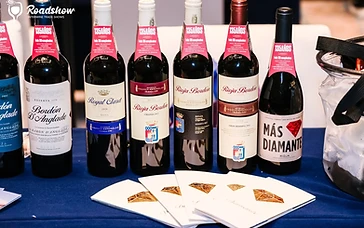
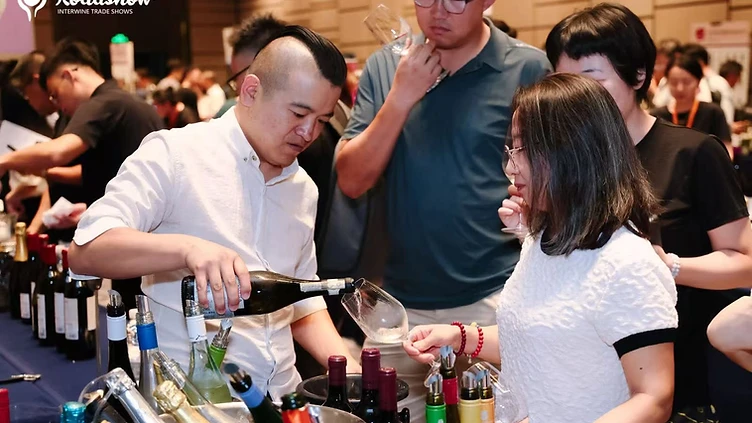
While digital tools support outreach, the wine industry in China remains fundamentally rooted in sensory verification, face-to-face interaction, and guanxi (trusted commercial relationships). Importers and regional sub-distributors rarely sign import contracts without meeting brand principals, tasting the portfolio across representative vintages, and evaluating packaging quality in person.
Specialized Wine and Spirits Trade Exhibitions
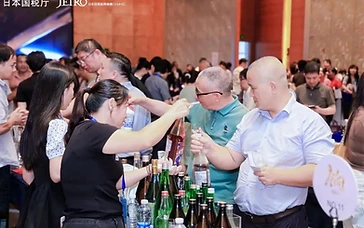
Generic consumer lifestyle fairs attract high footfall but produce minimal trade conversion. To build commercial pipelines, producers must participate in dedicated professional trade exhibitions where attendees are pre-screened importers, hotel F&B buyers, and regional distributors.
Wineries looking to access China's southern commercial gateway and national buyer networks choose to become an exhibitor at focused professional exhibitions like Interwine. Exhibiting in person provides wineries with instant physical presence, direct access to regional buyer delegations, and high-impact brand visibility. To plan your exhibition strategy and regional meetings, export managers can visit Interwine or evaluate buyer profiles via the exhibitor directory.
Targeted 1-on-1 Business Matching
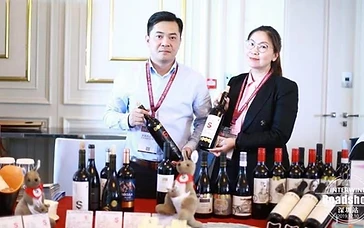
Exhibitions provide maximum ROI when combined with structured matchmaking. Rather than waiting passively at a stand, participating in pre-scheduled business matching meetings pairs your brand with buyers seeking your exact price tier, region, and grape varietals. This approach filters out casual attendees and guarantees structured meetings with procurement directors who possess active import licenses and ready capital.
Digital B2B Prospecting and Lead Nurturing
Foreign wine producers often stumble by attempting to use Western B2B marketing channels in China. Traditional corporate email campaigns often trigger spam filters, while LinkedIn remains restricted to a limited tier of multinational executives. Generating and qualifying leads requires using domestic digital infrastructure.
Enterprise WeChat (WeCom) Workflows
WeChat is China’s ubiquitous business operating platform. Serious B2B wine sales teams must maintain official enterprise accounts.
- Digital Spec Sheets: Replace heavy printed brochures with localized digital product sheets within WeChat Mini-Programs, featuring tasting notes, FOB/CIF pricing schedules, technical sheets, and award certifications.
- Instant Communication: Import managers expect near-instantaneous responses. Export directors should designate bilingual brand ambassadors or import agents in the local time zone to handle WeChat trade inquiries instantly.
B2B Trade Content and Market Education
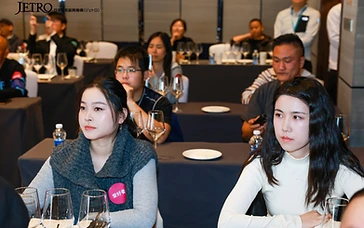
Educational trade content signals market commitment. By reviewing professional resources on our market insights platform, producers can tailor their localized content toward regional buyer preferences. Educational masterclasses delivered to sommelier networks and trade buyers validate portfolio pedigree, building brand authority that aids wholesale conversion.
Commercial Qualification: Vetting Prospective Chinese Importers
Generating leads is only half the battle; wineries must rigorously qualify trade inquiries to protect allocation and brand equity. When an importer or distributor expresses commercial interest, verify the following credentials before extending terms:
- Business License Verification (Yingye Zhizhao): Request a copy of their official Unified Social Credit Code and cross-reference their registered scope of business to verify they hold authorization for alcoholic beverage distribution and direct import-export rights.
- Warehousing and Cold-Chain Logistics: Fine wines deteriorate quickly in southern China’s summer heat. Inquire about their bonded warehouse facilities and domestic temperature-controlled supply chains.
- Channel Distribution Capability: Determine whether the distributor operates primarily through traditional retail, on-premise HoReCa (Hotel, Restaurant, Café), state-owned enterprise (SOE) gifting channels, or live-streaming e-commerce. A commercial partner specializing in e-commerce discount models may disrupt pricing for on-premise restaurant accounts.
- Existing Portfolio Balance: Review the brands currently represented by the distributor. A partner carrying direct competitors from your identical sub-appellation may fail to give your wines focus; conversely, a portfolio with complementary categories indicates an existing customer base suited to your wines.
Actionable Implementation Timeline for Export Directors
To build a steady stream of verified B2B leads in China within 6 to 12 months, execute this four-phase operational roadmap:
- Months 1–2 (Compliance & Foundation): Complete your facility's GACC registration, register your Chinese trademark with CNIPA, and produce standardized Chinese-language digital specification sheets.
- Months 3–4 (Channel Mapping & Matching): Identify Tier-1 and Tier-2 market targets. Submit your profile for pre-scheduled business matching to secure appointments with verified regional wine distributors.
- Months 5–6 (In-Person Exhibition & Tastings): Finalize your presence and become an exhibitor at Interwine. Present your portfolio directly to pre-qualified buyers, host dedicated masterclasses, and secure WeChat connections on site.
- Months 7–12 (Pipeline Follow-up & Pilot Shipments): Maintain bi-weekly communication via Enterprise WeChat, finalize bonded sample logistics, agree on clear sales quotas, and deliver initial pilot-pallet orders.
Sources
- MSA Advisory (2025) – Wine Market in China: Trends, Growth, and Consumer Preferences
- EU SME Centre (2026) – China's Wine Market: A Guide for Exporters
- Observatory of Economic Complexity (OEC) – Wine in China Trade Statistics
Key Takeaways
- —Prioritize compliance before outreach: secure GACC registration and register both Latin and Chinese trademarks with CNIPA to protect intellectual property.
- —B2B lead acquisition in China requires in-person sensory validation, making targeted trade exhibitions and pre-arranged 1-on-1 buyer matching essential.
- —Targeting regional distributors in Tier-2 and Tier-3 commercial hubs often yields faster volume growth than focusing exclusively on saturated Tier-1 markets.
- —Enterprise WeChat and localized mini-programs serve as the primary operational channels for B2B communication, spec sheet distribution, and lead nurturing.
- —Thoroughly vet prospective buyers by verifying their business licenses, bonded cold-chain logistics, and channel focus to prevent pricing erosion.
Frequently Asked Questions
What registrations must a winery complete before contacting Chinese buyers?
Wineries must complete facility registration with the General Administration of Customs of China (GACC) via the CIFER platform under Decrees 248/249. In addition, brands must register both their Latin brand name and Chinese phonetic trademark with the CNIPA to prevent bad-faith trademark registrations.
Why is cold emailing largely ineffective for generating wine B2B leads in China?
Cold email outreach often fails in China due to aggressive corporate spam filters, low business email reliance, and a business culture that relies heavily on Enterprise WeChat. Chinese wine distributors demand personal contact, trade referrals, and sensory evaluation before conducting commercial negotiations.
How do Tier-1 and Tier-2 wine markets differ in China?
Tier-1 cities (Shanghai, Guangzhou, Shenzhen, Beijing) are mature, competitive hubs with major national importers focused on premium on-premise accounts. Tier-2 and Tier-3 commercial cities (such as Chengdu, Hangzhou, and Wuhan) offer growing purchasing power, strong corporate and banquet demand, and regional distributors eager for exclusive brand representation.
What role does Enterprise WeChat play in B2B wine sales in China?
Enterprise WeChat (WeCom) serves as the primary channel for B2B communications in China. It is used to distribute digital portfolio spec sheets, coordinate sample shipments, answer technical winemaking questions in real time, and maintain daily commercial contact with distributor procurement managers.
How can foreign wineries verify the legitimacy of a prospective Chinese importer?
Producers should request the importer's official Business License (营业执照) to verify their Unified Social Credit Code and authorized business scope for alcoholic beverage distribution. Additionally, wineries should evaluate the distributor's temperature-controlled warehousing, existing brand portfolio, and established retail or on-premise sales channels.