Why Exhibit at a Wine Trade Show in China?
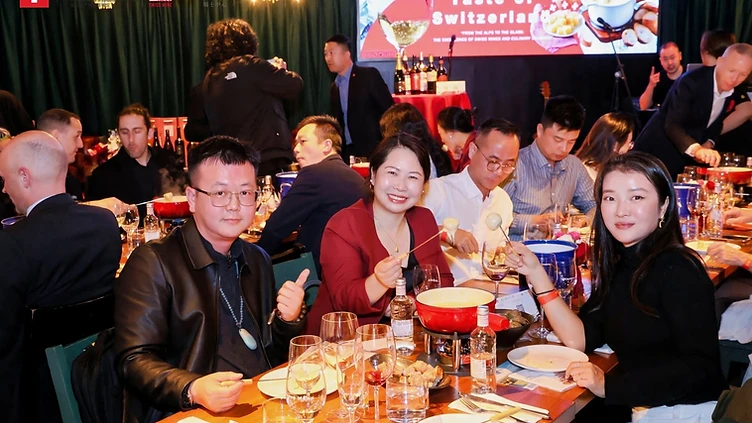
Discover why international wineries and producers exhibit at Chinese wine trade shows like Interwine to secure licensed importers, navigate customs, and tap into growing regional buyer demand.
Deciding why exhibit at a wine trade show in china is a calculated commercial decision for international wineries, brand owners, and export consortia. The short answer: entering mainland China's beverage alcohol sector requires direct, face-to-face trust with licensed customs clearance holders, regional sub-distributors, and hospitality buyers. Offline trade exhibitions like Interwine eliminate intermediaries, accelerate regulatory validation, and compress multi-month commercial negotiations into focused, high-consequence business meetings.
While remote sales pitches and digital marketplaces provide baseline brand visibility, mainland China’s wine ecosystem operates fundamentally on verified commercial relationships (guanxi), tangible organoleptic tasting, and rigorous importer-of-record compliance. Wineries that take a booth at specialized trade fairs gain immediate route-to-market access, actionable pricing intelligence, and vetted partner matchmaking across tier-1, tier-2, and Greater Bay Area commercial hubs.
1. The Post-Readjustment Market Reality: Why China Still Demands Attention
Navigating China’s beverage sector requires grounding commercial expectations in objective trade data. According to the USDA Foreign Agricultural Service (FAS) Wine Market Update 2025, mainland China's wine imports totaled $879 million across January–July 2025, showing stabilization following multi-year consumer recalibrations. Simultaneously, commercial sector analysis from Deep Market Insights (2024/2026 reporting) valued China’s overall wine market at $57.25 billion in 2024, forecasting a rise to $93.92 billion by 2033 with still wine retaining dominant market share.
As recorded by the Journal of Wine Economics (2025), the removal of punitive tariffs on Australian wine in March 2024 sparked widespread portfolio realignments across mainland import channels. French, Chilean, Italian, Spanish, and Australian producers compete dynamically for shelf space. Chinese regional distributors have shifted from speculative bulk hoarding toward lean, demand-driven buying. For global wine producers, participating in an established trade forum represents the fastest method to audit what current distributors actually require and identify viable portfolio gaps.
To discover current consumer trends shaping domestic orders, review our detailed guide on Market Insights.
2. Navigating Import Compliance and the Importer of Record (IOR) Bottleneck
One of the primary structural hurdles in China's alcohol sector is regulatory clearance. Foreign wineries cannot legally clear customs or sell commercial wine directly to retail accounts without a domestic licensed importer holding beverage distribution rights and customs registration.
As outlined by the U.S. Alcohol and Tobacco Tax and Trade Bureau (TTB, updated 2026), shipping wine to mainland China requires stringent technical documentation, including multi-purpose Consolidated Certificates covering origin, sanitation, and free sale, which must be submitted to the General Administration of Customs of the People's Republic of China (GACC). Labels must strictly adhere to national standards (GB 7718 and GB 15037), specifying net volume, alcohol strength, vintage, and mandatory Chinese back-label typography.
Exhibiting at an industry show bridges this compliance divide:
- Meet Licensed Importers Directly: You interface face-to-face with registered entities possessing operational customs quotas, bonded warehouse logistics, and GACC import registration numbers.
- De-Risk Contract Negotiations: Face-to-face interactions allow producers to verify an importer's actual distribution reach, preventing exclusive territory lock-outs by unqualified agents.
- Expedite Sample Clearance: Major expos operate coordinated logistics pipelines for exhibition sample shipments, simplifying temporary import documentation.
Producers seeking formal exhibition space and operational coordination should explore the steps to Become an Exhibitor.
3. High-Conversion Face-to-Face Buyer Engagement
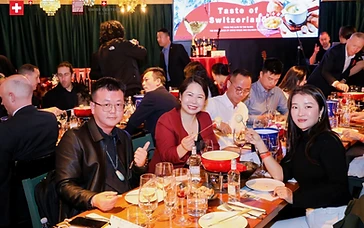
Unlike mature Western markets where importers buy based on pre-existing digital catalog awareness, Chinese buyers prioritize physical interaction with the principal producer or export director. Decisions rest heavily on sensory tasting, packaging assessment, and perceived brand commitment.
The Importance of Organoleptic Proof
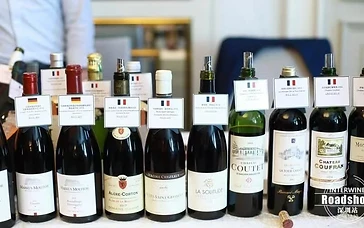
Chinese sommelier networks, regional wholesaler buyers, and private corporate procurement managers will rarely order an unfamiliar SKU without physically assessing acidity, fruit balance, tannin profile, and finish. At an exhibition booth, hundreds of targeted buyers can taste identical vintages across your range within hours, providing instantaneous feedback on how well your sensory profile fits current regional palates.
Accessing Tier-2 and Regional Growth Corridors
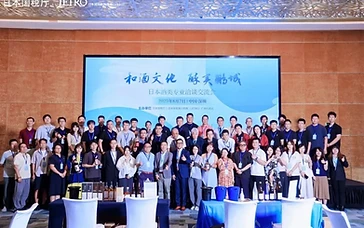
While competition in tier-1 metropolises like Shanghai and Beijing remains intense, secondary and tertiary wealth centers across Guangdong, Zhejiang, Jiangsu, and Sichuan represent high-margin potential. Regional distributors travel systematically to central trade hubs to source direct import agencies. Exhibiting at Interwine puts your brand directly in front of buyers servicing regional gift-giving, wedding, and banquet channels that cold outreach cannot access.
To see how curated buyer matches work during trade fairs, explore our specialized service for Business Matching.
4. Adapting to Changing Consumer Palates and Demographic Shifts
Mainland China’s wine consumption habits are undergoing generational transformation. As highlighted in Beverage Trade Network’s executive review of Interwine China (2024), young professional demographics and Gen Z drinkers are shifting preferences away from traditional luxury red appellations toward fresh whites, sparkling wines, organic viticulture, and cost-effective boutique labels.
Trade fair participation allows international estates to test strategic value propositions:
- Alternative Formats and Packaging: Assess buyer sentiment on screw caps, lighter glass packaging, and modern label designs versus traditional crests.
- White and Sparkling Categories: Rising demand for crisp white varietals (such as Sauvignon Blanc, Riesling, and dry Chenin) in southern coastal gastronomy hubs can be directly measured at tasting tables.
- Educational Storytelling: Curate dedicated masterclasses during the show. Leading tasting sessions educates tier-2 wholesalers on terroir distinction, helping them pitch your brand effectively to regional corporate clients.
Producers planning their showcase calendar can check concurrent conference modules under Interwine Events.
5. Strategic Comparison: Trade Show Exhibition vs. Alternative Market Entry Modes
Evaluating your commercial options demonstrates why trade exhibitions offer high capital efficiency for sustained market entry:
| Commercial Entry Route | Capital Investment | Speed to Market | Regulatory Overhead | Conversion Viability | | :--- | :--- | :--- | :--- | :--- | | Wine Trade Show Booth (e.g., Interwine) | Predictable, mid-tier cost | Fast (Immediate direct buyer meetings) | Low for exporter (Handled via show-partner logistics) | High (Tasting proof + face-to-face relationship) | | Cold Digital Outreach / E-Directories | Low upfront fee | Very slow (Low response rates) | High (Requires finding and verifying importers independently) | Negligible (Chinese buyers seldom sign without tasting) | | Third-Party Commercial Agency | High retainer + sales commissions | Medium to slow | Variable | Moderate (Dependent on agent’s active portfolio bias) | | Independent Roadshow Tour | High direct logistics and travel budget | Medium | High (Individual venue permits, sample shipments) | Moderate (Limited to cities visited) |
Exhibiting concentrates your operational costs into a high-density, multi-day commercial engagement where real buyers come directly to you.
6. How to Plan a High-ROI Trade Fair Campaign in China
Securing commercial contracts requires systematic pre-show and on-site execution. International wineries should follow this operational roadmap:
Step 1: Pre-Registration and Visa Coordination
Ensure early submission of your booth contract to unlock formal entry documentation. Wineries needing travel facilitation can access official consular letters through our Invitation Letter and Visa Support portal.
Step 2: Sample Importation and GACC Clearance
Ship commercial tasting samples at least 8 to 10 weeks prior to the event. Work exclusively through designated exhibition freight forwarders to clear customs without incurring standard commercial tariffs or labeling holdups.
Step 3: Localization of Collateral
Prepare localized spec sheets, WeChat QR codes linked to Chinese mini-programs or digital brochures, and simplified tasting notes detailing sugar levels, acid profile, barrel aging, and food pairing recommendations appropriate for regional Chinese cuisine.
Step 4: On-Site Business Matching & Post-Show Closing
Staff your booth with at least one fluent bilingual wine professional capable of communicating technical winemaking details alongside commercial pricing (FOB, CIF, and DDP terms). Follow up with qualified distributor contacts via WeChat or direct calls within 72 hours of the show's conclusion.
Review existing global participants and regional pavilions inside the official Exhibitor Directory.
Conclusion: Secure Your Foothold with Interwine
Mainland China remains one of the world's most commercially valuable, structurally dynamic beverage markets. However, success cannot be achieved remotely. Choosing to exhibit at a recognized wine trade show bridges regulatory hurdles, validates brand equity with reputable regional importers, and establishes the interpersonal trust indispensable to business success in China.
Position your winery directly in front of thousands of professional importers, retail buyers, and hospitality decision-makers. Take the definitive step in your Asia-Pacific commercial strategy and apply today to Become an Exhibitor at Interwine.
Sources
- USDA Foreign Agricultural Service (FAS): Wine Market Update 2025 (Shanghai ATO, Report CH2025-0190) — Official trade and import reporting covering China's wine sector performance.
- U.S. Alcohol and Tobacco Tax and Trade Bureau (TTB): Wine Export to China (Updated 2026) — Federal documentation, consolidated health, origin, and free-sale certification parameters for GACC clearance.
- Journal of Wine Economics (Cambridge University Press): China’s Wine Market: Recent Shocks, Long-Term Prospects (2025) — Comprehensive academic analysis of structural trade shifts, tariff policy changes, and consumer trends.
- Deep Market Insights: China Wine Market Size, Trends & Forecast Analysis 2025-2033 — Valuation, volume metrics, CAGR projections, and category segment forecasts.
- Beverage Trade Network: Interwine China: Bridging Global Wines and the Chinese Market (2024) — Industry review detailing trade show buyer dynamics, regional palate changes, and distributor networking in mainland China.
Key Takeaways
- —Face-to-face trade exhibitions eliminate intermediary layers, connecting producers directly with licensed Importers of Record (IOR) possessing valid GACC customs registration.
- —China's wine market was valued at $57.25 billion in 2024 and is projected to expand to $93.92 billion by 2033 (Deep Market Insights, 2024), driven by demand for authentic, diverse imports.
- —Physical tasting remains mandatory in mainland China: regional buyers, corporate procurers, and sommeliers evaluate sensory characteristics before committing to pallet-scale orders.
- —Participating in Interwine enables international brands to bypass saturated tier-1 accounts and secure commercial distribution agreements across emerging tier-2 and tier-3 regional hubs.
- —Trade fairs substantially de-risk market entry by condensing sample logistics, importer matchmaking, and portfolio validation into a single high-efficiency business event.
Frequently Asked Questions
Can an international winery export directly to China without a domestic licensed importer?
No. Mainland Chinese customs regulations enforce that alcohol imports must be handled by a domestic entity holding a valid food and alcohol circulation license, foreign trade registration, and an active GACC customs code. Exhibiting at Interwine enables foreign producers to meet vetted, legally licensed Importers of Record (IOR) equipped to clear shipments and manage domestic distribution.
How do trade shows help wineries resolve Chinese customs and labeling requirements?
Major international wine fairs in China collaborate with accredited customs logistics brokers who oversee temporary bond shipments, sanitary inspections, and event clearance. Furthermore, exhibiting allows you to consult directly with local importers on mandatory Chinese back-label requirements (GB 7718 and GB 15037) before committing to full commercial bottling runs.
Why is physical tasting so critical for Chinese wine distributors compared to other markets?
Wine procurement in China depends heavily on sensory verification and professional alignment with local culinary traditions. Wholesalers and regional sub-distributors rarely purchase unfamiliar foreign labels without personally evaluating freshness, balance, and packaging aesthetic. An exhibition booth provides immediate tasting verification across hundreds of commercial buyers.
What documentation is required to clear tasting samples for an exhibition in China?
Shipping samples requires an international commercial invoice, packing list, certificate of origin, and laboratory analysis or sanitation certificates. According to U.S. TTB guidelines, official consolidated certificates simplify this process. Interwine assists accepted exhibitors by issuing official booth confirmations and connecting them with designated freight handlers for exhibition clearance.
How quickly can a producer expect commercial orders after exhibiting at Interwine?
While some spot orders take place on the show floor, high-volume container shipments typically finalize within two to four months post-event. This window accounts for contract finalization, Chinese back-label regulatory approval, initial payment transfers, and standard freight booking.