French National Pavilion Confirms 40+ Wineries for Guangzhou Autumn

Business France has officially confirmed a record-setting participation of over 40 wineries for the French National Pavilion at Interwine Guangzhou Autumn 2026, marking a significant milestone for French wine representation in Southern China.
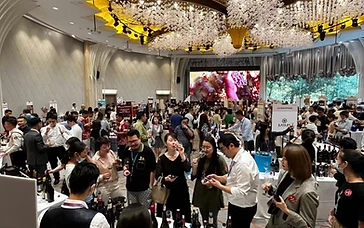
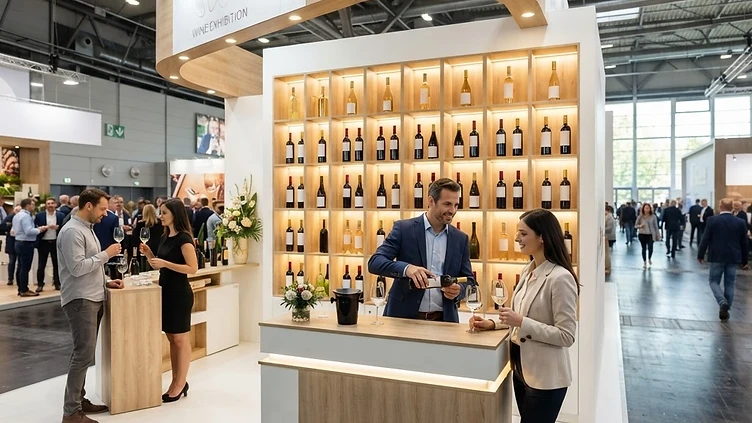
Business France has officially confirmed that the French national pavilion at Interwine Guangzhou Autumn 2026 will host over 40 wineries, representing the core viticultural diversity of France. This delegation, gathering producers from the historical estates of Bordeaux and the terroir-driven vineyards of Burgundy to the prestigious houses of Champagne and the robust producers of the Rhône Valley, stands as one of the largest official French representations to converge on Southern China this year. For importers, distributors, and HoReCa professionals, this assembly offers an unparalleled opportunity to engage directly with brand owners, explore new market-ready vintages, and secure exclusive distribution agreements. The pavilion is structured not merely as a commercial display, but as a comprehensive professional ecosystem. It includes a dedicated tasting area designed specifically for deep-dive sensory evaluation and business negotiation. Furthermore, a curated programme of masterclasses will provide actionable intelligence into regional characteristics, winemaking philosophies, and evolving consumer preferences in the Chinese market. The presence of such a diverse contingent at Interwine Guangzhou underscores the enduring relevance of French labels in the Chinese premium sector and provides a strategic platform for professional networking during the critical Q4 buying season. The upcoming edition serves as a pivotal bridge for European producers seeking to expand their foothold in the Greater Bay Area, a region defined by sophisticated consumption patterns and high demand for quality-oriented, authentic European products. As international trade dynamics continue to shift, face-to-face engagement at established B2B hubs remains the most effective method for establishing long-term trust with Chinese partners. By hosting over 40 estates under one cohesive banner, Business France is facilitating a concentrated marketplace where buyers can efficiently conduct comparative tastings and evaluate a broad spectrum of price points, styles, and regional identities. This consolidation is particularly beneficial for medium-sized wineries and boutique houses that might otherwise lack the local logistical support to navigate the complexities of the Chinese import landscape. The pavilion’s programming reflects a strategic focus on education and storytelling, which are essential components for navigating the current Chinese consumer environment where authenticity and provenance are increasingly prioritized. Throughout the event, the focus will remain on high-level business matchmaking and the development of sustainable, long-term partnerships. The scheduled masterclasses will address technical aspects of terroir, the potential for organic and biodynamic labeling in the Chinese market, and strategic alignment with local dining trends. For those in the HoReCa sector, the concentration of labels from the Rhône and Burgundy provides an ideal opportunity to diversify cellar lists with wines that offer both immediate market appeal and long-term investment value. The logistical framework of Interwine Guangzhou ensures that these interactions occur in a controlled, professional setting, allowing for in-depth negotiations on allocation, pricing, and marketing support. Attendees should view this pavilion as a gateway for market entry, where the concentration of expertise provides a shortcut through the often complex landscape of international distribution. Furthermore, the inclusion of renowned Champagne houses highlights the ongoing strength of premium sparkling wines in the regional market, particularly in metropolitan centers like Guangzhou and Shenzhen, where the demand for luxury lifestyle products remains robust. For attendees, the strategy should involve pre-scheduling appointments with specific estates where possible, while reserving ample time for spontaneous discovery within the designated tasting zones. The pavilion represents a collaborative effort to maintain and strengthen the deep cultural and commercial ties between French producers and the Chinese trade. For those operating within the retail space, the variety of labels available at the pavilion offers a unique chance to curate portfolios that stand out in an increasingly competitive market. As we approach the autumn season, this delegation stands as a testament to the enduring appeal of the French label in China and provides the industry with the necessary tools, networking, and direct access to drive sales through the end of the year and into the early 2027 cycle. The dedication of Business France to organizing such a substantial presence confirms that the Chinese market remains a cornerstone for global wine trade strategy. We anticipate that this gathering will be instrumental in setting the tone for the coming year's business developments, fostering a climate of cooperation and mutual growth for all participants involved in the import, distribution, and consumption of quality wine products. By focusing on the intersection of tradition and modern market demands, the pavilion enables buyers to tailor their offerings to the specific tastes of the Southern Chinese consumer. Whether it is the structured elegance of high-end Bordeaux or the expressive, approachable qualities of modern Rhône blends, the sheer diversity of the 40+ wineries ensures that there is a solution for every market segment, from boutique wine merchants to large-scale national distributors. This gathering is not just a showcase; it is a vital checkpoint for those looking to secure their supply chains and gain a competitive edge in the rapidly evolving landscape of wine import and distribution.
Key Takeaways
- —Business France has confirmed 40+ wineries for the French National Pavilion at Interwine Guangzhou Autumn 2026.
- —The pavilion will feature a wide range of producers from top regions including Bordeaux, Burgundy, Champagne, and the Rhône Valley.
- —The event includes a specialized tasting area and an expert-led masterclass series focused on market-relevant education.
- —The concentration of estates provides a streamlined opportunity for importers and retailers to establish direct procurement partnerships.
- —Focusing on Southern China’s professional market, the pavilion serves as a strategic hub for year-end procurement and networking.
- —Strategic engagement with this delegation is recommended for professionals seeking to diversify portfolios with high-provenance French products.
Frequently Asked Questions
What is the scale of the French presence at Interwine Guangzhou Autumn 2026?
Business France has officially confirmed that the French national pavilion will host more than 40 wineries. This group includes a diverse representation from key French regions such as Bordeaux, Burgundy, Champagne, and the Rhône Valley, offering a comprehensive selection for trade buyers.
What can professionals expect from the French national pavilion?
The pavilion is designed for high-level business interaction. It features a dedicated tasting area where visitors can evaluate wines directly, as well as a masterclass program designed to provide industry-specific insights into regional trends and marketing strategies for the Chinese market.
Who should attend this pavilion at the exhibition?
The pavilion is tailored for B2B professionals including wine importers, professional distributors, retail chain buyers, and HoReCa (Hotel, Restaurant, and Catering) decision-makers. It is an ideal environment for those looking to secure distribution rights or expand their existing portfolios with quality French labels.
How can I maximize my visit to the French pavilion?
We recommend that attendees plan their visit in advance by reviewing the exhibitor list on the official Interwine portal. Utilizing the scheduled business matching opportunities and attending the structured masterclasses will provide the most efficient path to engaging with the participating wineries.
Why is the French presence significant for the Southern China market?
The Greater Bay Area remains a sophisticated hub for imported wine consumption. The scale of this pavilion allows local professionals to access a broad range of price points and styles in one location, facilitating the development of robust supply chains for the upcoming quarter and beyond.