Gin and Vodka Brands in Asia: Qualifying Importers and On-Trade Partners
A commercial B2B guide for international gin and vodka brand owners looking to qualify regional importers, navigate tariffs, and secure premium on-trade listings across Asia.
To successfully scale craft and premium spirits across Asia, brand founders and commercial directors must move past passive container sales and build disciplined partner-vetting systems. Asia-Pacific represents the largest spirits territory globally, capturing 54.19% of worldwide revenue in 2024 according to Grand View Research, with the broader regional market projected by Mordor Intelligence to reach USD 395.02 billion by 2031 at a 4.82% CAGR. Meanwhile, total beverage alcohol in Southeast Asia alone is forecast to reach USD 19.05 billion by 2034, as reported by Source of Asia in 2026.
Yet white spirits face severe headwinds when commercialized poorly. Unlike dark spirits that rely on status gifting or high-turnover local white liquors such as baijiu and soju, imported gin and vodka rely almost entirely on premium on-trade visibility—cocktail lounges, luxury hotel groups, and independent speakeasies—to drive brand equity before retail pull occurs. Unprepared brands often end up in portfolio graveyards managed by multi-brand national distributors who take exclusivity, fail to build on-premise menu placements, and watch stock expire behind high tariff barriers.
Navigating these channels requires structured criteria to qualify distributors, a clear understanding of regulatory and fiscal inflection points, and face-to-face commercial alignment.
The Commercial Reality: White Spirits Dynamics in Asia
While dark spirits and domestic categories dominate aggregate volumes, Western white spirits occupy an expanding premium niche fueled by modern cocktail culture. According to Future Market Insights (2026), the global gin sector is projected to expand from USD 25.3 billion in 2026 to USD 36.7 billion by 2036, with Asia-Pacific serving as a major engine of channel and travel-retail growth (The Spirits Business, 2026). In contrast to commodity neutral spirit products, botanical gins, single-estate vodkas, and regional flavor profiles are securing high cocktail margins across tier-one metro hubs.
However, channel behavior varies sharply across target markets:
- Mainland China & Hong Kong: Consumer dynamics in Greater China have shifted toward informal venues, lower-tempo cocktail environments, and fresh, lighter-style serves (Vinexpo Asia / Global Drinks Intel, 2026). Importers in Shanghai, Shenzhen, and Guangzhou look for brand activation support rather than simple volume quotas.
- Singapore: Operates as Southeast Asia’s premium cocktail capital and regional trading hub. While it offers regulatory efficiency, low tariffs, and deep on-trade sophistication, its high operational and venue rental costs mean venues demand constant brand support.
- Vietnam: A rapid-growth frontier where urban demographics in Ho Chi Minh City and Hanoi are adopting craft cocktails. However, brands face an impending fiscal pivot: Vietnam’s National Assembly has approved a progressive Special Consumption Tax (SCT) increase from 65% up to 90% by 2031, following baseline import duties and VAT (Source of Asia, 2026). Brands securing route-to-market architecture early establish pricing power before excise brackets compress margins.
- Thailand: Thriving luxury hospitality and nightlife sectors are tempered by complex excise mechanics, local zoning curfews, and advertising restrictions that require entrenched local operators to navigate.
Core Criteria: Qualifying an Asian Spirits Importer
Export directors must treat distributor appointments as multi-year joint ventures rather than transactional buyer relationships. When screening potential partners in the Asia Wine Market, apply four non-negotiable assessment filters:
1. Portfolio Synergy vs. Conflict
Avoid distributors who represent the dominant global category leader (e.g., house pouring gins or mainstream commercial vodkas) unless they operate a dedicated, independent "craft/prestige" business unit. If your brand occupies the USD 25–40 FOB segment, verify whether their sales reps earn higher commissions pushing house pours. Seek distributors whose current catalog contains complementary bar requisites—such as craft tonics, artisanal vermouths, or boutique mezcals—which open doors to the exact bar managers you need.
2. Dedicated On-Trade Brand Ambassador Capabilities
White spirits require bar-level education, staff training, and signature cocktail development. Does the importer maintain in-house mixologists or brand ambassadors? An importer relying solely on logistics reps will fail to secure cocktail menu real estate.
3. Active Cold-Chain Warehousing and Track-and-Trace
High ambient heat and humidity throughout Southern China and Southeast Asia compromise botanical oils, label adhesives, and closures. Confirm temperature-controlled bonded storage and compliant customs clearance infrastructure that adheres to national track-and-trace regulations (Tridge, 2026).
4. Credit Terms and Depletion Reporting
Do not extend open credit lines to first-time regional partners. Require initial shipments under confirmed Letters of Credit (LC) or cash against documents. Mandate monthly depletion reporting by outlet name to track velocity before allocating secondary marketing budgets.
Importer Vetting Matrix
The following scorecard enables commercial directors to grade prospective partners during distribution interviews:
| Assessment Category | Weight | Critical Qualification Metric | Disqualification Red Flag | | :--- | :--- | :--- | :--- | | On-Trade Access | 30% | Direct supplier status to top 50 regional cocktail bars & luxury hotels | Portfolio skew >80% to bulk supermarket off-trade | | Sales Team Skill | 25% | Employs dedicated mixologists / certified bar trainers | Generalist reps carrying >500 SKUs with no category focus | | Compliance & Logistics | 20% | In-house customs brokers, bonded cold storage, validated licenses | History of customs seizure or gray-market parallel sourcing | | Commercial Investment | 15% | Agrees to 50/50 matched marketing spend for launch activations | Demands 100% brand-funded A&P plus high listing fees | | Reporting Discipline | 10% | Contractual commitment to monthly venue depletion data | Refusal to share downstream retail/on-trade accounts |
Winning the On-Trade: Bar Placement and Activation Strategy
Winning a listing in an acclaimed hotel bar or speakeasy in Guangzhou, Singapore, or Bangkok requires a distinct playbook compared to European or North American on-premise accounts:
- Secure the Pouring / House Well Position: Speed rails generate volume, but they command steep pouring allowances or free-stock incentives. For craft brands with limited budgets, focus instead on obtaining a permanent slot on the curated cocktail menu with a named callout.
- Develop Regionally Nuanced Serve Rituals: Adapt serve strategies to Asian palate trends. Fresh, citrus-forward, tea-infused, or highball applications outperform heavy, sweet, or overly herbaceous serves. Providing custom glassware, highball tools, and local garnish ideas significantly lowers barriers for venue bartenders.
- Host Bartender Guest Shifts and Masterclasses: Visiting distillers or international brand ambassadors conducting guest shifts remain one of the most cost-effective methods to gain buy-in from local mixology communities. Personal relationships between distillers and bar managers generate lasting brand loyalty across Asia's tightly connected bar circuits.
Hypothetical Commercial ROI Model: First-Year On-Trade Market Entry
To understand the financial mechanics of entering an emerging Southeast Asian on-trade market (e.g., Vietnam or Thailand), consider this clearly labelled hypothetical commercial scenario for a boutique gin brand producing 700ml bottles.
Note: This is a hypothetical illustrative model for planning purposes; actual performance varies based on duties, exchange rates, freight, and outlet negotiations.
Base Assumptions
- Initial Order Volume: 500 cases (6 bottles/case = 3,000 bottles)
- Ex-Factory Cost of Goods Sold (COGS): USD 7.00 / bottle
- FOB Export Price to Importer: USD 18.00 / bottle
- Gross Revenue to Brand: USD 54,000
- Gross Manufacturing Margin: USD 33,000 (USD 11.00 / bottle)
Dedicated Market Entry Investments
- Market Registration, Legal Compliance, & Label Localization: USD 4,000
- Trade Fair Sourcing & Structured Partner Matching Meetings: USD 6,500
- Co-op Marketing Fund (matched launch pool for menu listings & menu printing): USD 6,000
- Brand Ambassador Tour (flights, masterclasses, 4 on-trade guest shifts): USD 5,500
- Sample Stock & POS Bar Tool Kits (15 cases FOC): USD 1,800
- Total Entry Investment: USD 23,800
Contribution Margin Analysis
- Total Gross Profit Contribution: USD 33,000
- Less Direct Channel Investment: USD 23,800
- Hypothetical Year-1 Net Contribution: USD 9,200
- Hypothetical Year-1 Channel ROI: 38.6% (Net Contribution / Total Investment)
While year-one margins absorb upfront compliance and activation, subsequent replenishment re-orders yield a clean USD 11.00 gross contribution per bottle without recurring setup costs, delivering scalable commercial margin from Year 2 onward.
Meeting the Right Partners: The In-Person Verification Imperative
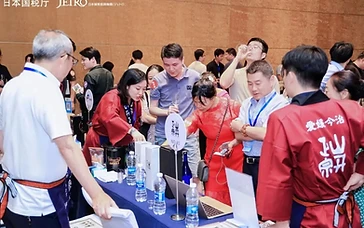
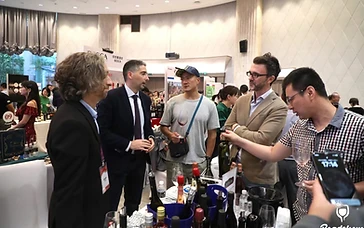
Contractual disputes, stalled inventories, and misaligned brand positioning in Asia almost always stem from remote onboarding. Experienced export teams vet importers face-to-face, tasting alongside head buyers and walking key target venues together before executing distribution agreements.
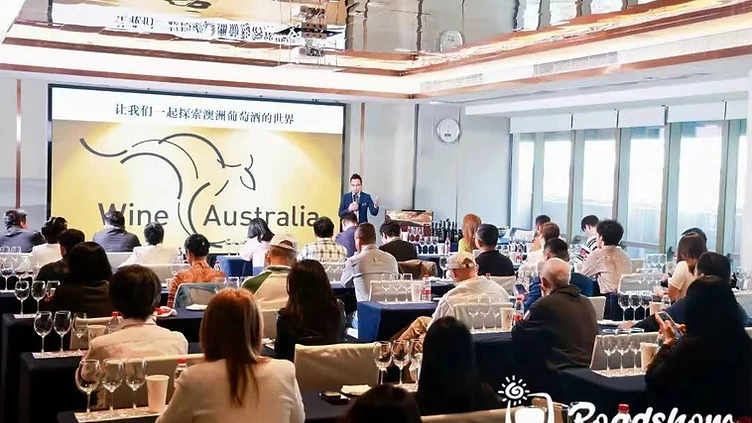
Exporters seeking structured engagement can leverage targeted trade events and curated business matching programs across Greater China and ASEAN:
- Autumn 2026 Engagement: Connect with mainland trade networks at Interwine Guangzhou from 16–18 November 2026, followed immediately by the dedicated Hanoi Roadshow on 20 November 2026.
- Spring 2027 Strategic Gateway: Access South China's premier commercial hub during Spring Interwine Guangzhou from 7–9 May 2027 at the China Import and Export Fair Complex / Pazhou.
- Multi-City ASEAN Expansion 2027: Execute consecutive market discussions via the Interwine Asia Roadshow across four high-value capitals: Hanoi on 11 May, Kuala Lumpur on 13 May, Singapore on 15 May, and Bali on 17 May 2027.
- Autumn 2027 Regional Momentum: Anchor mid-year Indochina distribution at Interwine Vietnam from 6–8 July 2027 at SECC in Ho Chi Minh City, or target southern and central Chinese distributors at Autumn Interwine Guangzhou from 31 October to 2 November 2027.
Brand teams can bypass intermediate cold-calling through Business Matching services, which pre-screen regional distributors against specific portfolio price tiers and channel specializations.
Strategic Conclusion and Next Steps
Breaking into Asia's competitive spirits landscape requires more than an award-winning bottle. It demands rigorous importer qualification, localized cocktail channel activations, and an understanding of shifting regional excise structures. For producers ready to expand their commercial presence, explore verified distributor connections via Business Matching and review regional market dynamics in the Asia Wine Market pillar.
Regulatory note: Tariff frameworks, excise schedules, and labeling mandates differ across jurisdictions and are subject to legislative amendment. Exporters should consult licensed trade counsel and registered customs brokers in each destination market before commercial dispatch.
Sources
- Grand View Research: Spirits Market Size, Share & Growth Industry Report 2033
- Mordor Intelligence: Asia-Pacific Spirits Market Size & Share Analysis
- Future Market Insights: Explore the Global Gin Market
- Source of Asia: Wine & Spirits in ASEAN 2026: Vietnam vs Singapore vs Thailand
- The Spirits Business: Asia Pacific drives GTR gin growth
- Global Drinks Intel: Vinexpo Asia 2026, Hong Kong - A strong pillar in times of market transformation
Key Takeaways
- —Asia-Pacific accounted for 54.19% of global spirits revenue in 2024, driven by urban premiumization and rapid cocktail culture expansion.
- —White spirits rely on targeted on-trade cocktail listings rather than off-trade volume to establish brand equity and consumer pull.
- —Qualifying an importer requires auditing dedicated mixologist brand ambassadors, on-trade venue reach, and bonded cold-storage capabilities.
- —Vietnam is transitioning its Special Consumption Tax from 65% toward 90% by 2031, making early distribution setup critical for price positioning.
- —Exporters must secure contractual commitments for monthly account-level depletion reporting before granting regional brand exclusivity.
Frequently Asked Questions
Why is the on-trade channel critical for imported gin and vodka in Asia?
Unlike dark spirits that frequently sell through traditional gifting channels, imported white spirits depend heavily on modern cocktail bars, luxury hotels, and mixology venues to educate consumers, showcase flavor profiles, and generate the brand awareness needed to drive downstream retail demand.
What is the biggest mistake craft spirits brands make when entering Asia?
The most frequent error is signing an exclusive national contract with a large logistics-focused distributor who lacks dedicated on-trade sales representatives or brand ambassadors, resulting in stagnant inventory that fails to secure menu placements.
How do excise taxes in Southeast Asia impact spirits pricing strategies?
Excise and consumption taxes vary widely. For instance, Singapore charges specific duty per liter of alcohol, whereas Vietnam enforces a Special Consumption Tax currently at 65% that is scheduled to scale to 90% by 2031. Brands must build retail and on-trade pricing architecture that absorbs these brackets without pricing themselves out of target venues.
What documentation should brands demand from Asian importers before signing?
Brands should require proof of active spirits import licenses, tax-stamp compliance verification, temperature-controlled warehousing certificates, and a concrete list of currently serviced on-trade accounts.