Industry Interview: A Regional distributor on Trade-show sourcing strategy

Discover how senior regional wine distributors build high-ROI trade show sourcing strategies, evaluate overseas producers, and streamline post-event procurement.
Regional wine distributors face a disciplined commercial mandate: build a distinctive, high-margin portfolio while managing severe freight, regulatory, and inventory carrying risks. Trade shows represent the highest-density sourcing environment in the wine trade, yet navigating hundreds of international stands without a structured procurement model results in wasted capital, erratic sampling, and misaligned SKUs.
In this industry interview analysis, we examine the practical operating playbook of a regional wine distributor sourcing across international pavilions. From advance portfolio gap analysis and technical audit checklists to post-show margin modeling, this guide breaks down how professional buyers convert trade show visits into profitable distribution contracts.
The Strategic Shift: From Serendipitous Tasting to Data-Led Procurement
Historically, distributor sourcing relied heavily on opportunistic walk-throughs, palate impressions, and casual networking. In today’s competitive B2B wine landscape, top-tier regional distributors run their trade show attendance as an integrated supply-chain audit.
The Distributor's Perspective: "If we step onto the exhibition floor without pre-scheduled appointments and calibrated margin sheets, we have already lost money. Every producer we sit with must fill a precise commercial slot in our regional retail or on-premise accounts."
According to an analysis on B2B procurement by Luni Trading (2026), effective beverage procurement requires establishing structured product ranges across value, mid-range, and premium tiers, backed by formal supplier evaluation and strict quality checkpoints. Successful distributors build sourcing briefs 60 to 90 days before attending an international exhibition. They analyze depletions, benchmark regional competitor pricing, and pinpoint specific portfolio deficits—such as organic Mediterranean whites under €4.50 Ex-Works (EXW) or boutique estate reds with verifiable DTC storytelling for fine-dining client accounts.
Before flying out, regional procurement teams cross-reference the Exhibitor Directory against market insights, ensuring floor time is allocated strictly to pre-vetted producers whose commercial production capacity matches regional demand.
The Sourcing Matrix: Key Evaluation Criteria on the Show Floor
When meeting international wineries at major trade exhibitions, regional buyers must move beyond sensory analysis within the first five minutes. A wine may show exceptional balance in a tasting glass, but if the winery lacks export compliance, flexible packaging, or financial stability, it represents operational friction.
| Evaluation Pillar | Core Buyer Verification | Operational Risk Mitigated | | :--- | :--- | :--- | | Commercial Viability | Realistic EXW/FOB pricing, tiered case discounts, minimum order quantities (MOQs). | Eliminates margin erosion and unsustainable price points for regional retail accounts. | | Supply Continuity | Annual case production, allocation stability, vintage substitution protocols. | Prevents out-of-stock penalties with regional chain grocers and key on-premise accounts. | | Regulatory & Compliance | Lab analysis readiness, export health certificates, regional labeling customization. | Avoids customs impoundment, back-label rejections, and import clearance delays. | | Market Support | Marketing co-op funds, POS materials, sample budgets, masterclass participation. | Prevents unsold inventory accumulation in distributor warehouses. |
Export trade advisors at Wine Australia (Export Ready Hub) emphasize that suppliers must tailor pricing, logistical readiness, and cultural market awareness to target buyers, spending at least 80% of meeting time listening to distributor requirements rather than delivering canned pitches. For regional distributors, identifying producers who understand this commercial reality is the primary objective of booth meetings.
Navigating the Exhibition Floor: Time Allocation and Meeting Dynamics
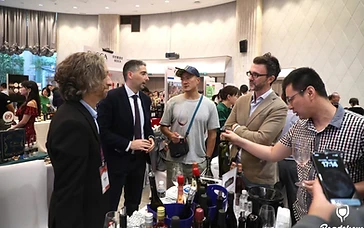
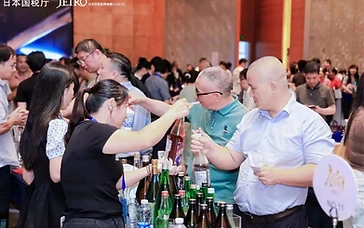
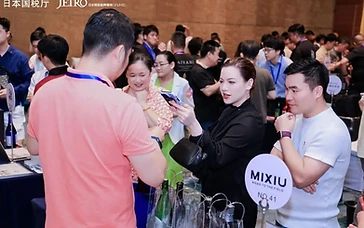
Trade show floors can be overwhelming, with thousands of labels competing for attention. A veteran distributor operates on a strict timetable designed to optimize sensory evaluation and commercial negotiation.
09:00 - 11:30 | High-focus technical tastings (unfatigued palate, pre-booked appointments)
11:30 - 13:00 | Commercial term negotiations & margin stress-testing with shortlisted producers
13:00 - 14:00 | Hydration, palate reset, and rapid CRM log entry
14:00 - 16:00 | Exploration of emerging regional pavilions & private label suppliers
16:00 - 17:30 | Follow-up second tastings and executive relationship building
Experienced buyers structure their mornings around high-value targets, keeping afternoon slots open for structured discovery. Using specialized Business Matching services enables distributors to sit down with export managers who have already confirmed their pricing models, target export territories, and regulatory documentation.
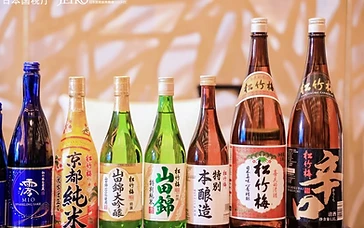
As highlighted in trade analysis by Supply EU (2026), collective national pavilions—such as those organized by regional trade bodies—allow buyers to compare dozens of estates within a single geographic denomination simultaneously, drastically compressing the sourcing lifecycle.
From Booth to Warehouse: The Post-Show Procurement Workflow
Trade show ROI is realized entirely in the 30 days following the event. A major trap for regional distributors is accumulating business cards and tasting sheets without a clear follow-up conversion funnel.
Step 1: Immediate CRM Triage and Metric Scoring
Within 48 hours of show conclusion, the procurement team logs every meeting into a scoring matrix. Producers are classified into three distinct buckets:
- Tier 1 (Contract Pending): Meets target margin threshold (>38% landed margin), confirmed FOB pricing, samples requested for internal technical panel.
- Tier 2 (Pipeline/Bench): Quality verified, but pricing or vintage timing requires renegotiation.
- Tier 3 (Archive): Unrealistic commercial expectations, insufficient export compliance, or incompatible MOQs.
Step 2: Landed-Cost Modeling & Stress Testing
Before committing to an order, regional distributors calculate total landed cost, factoring in ocean freight, customs tariffs, local excise duties, temperature-controlled domestic drayage, and warehouse storage costs. If a wine retailing at $18.99 cannot yield a viable margin for both the distributor and the independent retailer, the negotiation must be revisited or abandoned.
Step 3: Bench Tasting and Panel Validation
While trade fair impressions provide initial filtering, wines must be validated under neutral, non-trade-fair conditions. Producers must send current-vintage benchmark bottles to the distributor’s home tasting room to ensure bottle-to-bottle consistency with show samples.
Distributors tracking macroeconomic shifts, import data, and market movement rely on dedicated trade intelligence published in Market Insights to anticipate consumer demand shifts before signing binding multi-vintage distribution contracts.
Conclusion: Upgrading Your Sourcing Architecture
A high-performing trade show sourcing strategy transforms international wine exhibitions from an exhausting tasting marathon into a high-yield procurement engine. By establishing clear portfolio criteria, auditing producer compliance, leveraging targeted business-matching services, and executing a rigid post-show landed-cost analysis, regional distributors protect their margins while introducing high-potential wines to their regional markets.
For wine buyers, distributors, and retail procurement managers seeking direct access to certified international producers, estate owners, and export directors across global regions, take the next step in your sourcing roadmap. Book Your Visit to the next edition of Interwine and connect directly with pre-screened global wine suppliers.
Sources
- Wine Australia - Export Ready Hub: Top Tips for Trade Shows
- Luni Trading - Effective B2B Wine Procurement Strategies (2026)
- Supply EU - Wine & Spirits Sourcing B2B Buyer's Guide (2026)
- SevenFifty Daily - A Winery Guide to Trade Show Success (2023)
Key Takeaways
- —Modern wine distributors treat trade shows as structured supply-chain audits rather than casual tasting events.
- —A 60-to-90-day pre-show portfolio gap analysis prevents impulse sourcing and aligns stand visits with regional margin targets.
- —Evaluating producers on regulatory compliance, export documentation, and supply continuity is as critical as evaluating wine quality.
- —Landed-cost modeling must incorporate freight, excise, and storage buffers before signing distribution agreements.
- —Trade show ROI is realized in the post-show workflow: CRM scoring, neutral panel bench tastings, and structured contract follow-up.
Frequently Asked Questions
How far in advance should a wine distributor prepare for a trade show?
Professional wine distributors typically begin preparing 60 to 90 days before an exhibition. This includes auditing warehouse depletions, identifying portfolio price and varietal gaps, reviewing exhibitor directories, and scheduling targeted meetings with export directors.
What are the most common mistakes distributors make at wine trade fairs?
The most frequent mistakes include unscheduled stand wandering, tasting without clear margin benchmarks, failing to record structured CRM notes immediately, and neglecting to model landed costs (shipping, customs, duties) before committing to sample shipments.
How do buyers differentiate between shelf-ready export producers and unprepared wineries?
Export-ready wineries arrive with clear FOB/EXW price sheets, defined MOQs, regulatory documentation (analysis certificates, export licensing), and support materials such as tech sheets and marketing allocations. Unprepared producers focus solely on taste profiles without commercial terms.
Why is neutral bench tasting necessary after meeting at an exhibition?
Palate fatigue, ambient temperature, and tasting room atmosphere at trade shows can distort sensory perception. Conducting blind bench tastings with fresh sample bottles back in the distributor's office validates consistency and retail suitability before ordering.