Documents International Visitors Need for Interwine
A definitive regulatory and commercial checklist of documents international visitors need for Interwine, covering Chinese business visas, trade invitation letters, customs formalities, and on-site buyer credentials.
International trade buyers, importers, and regional distributors traveling to China for professional wine and spirits exhibitions encounter stringent compliance protocols before stepping onto the trade floor. Navigating the legal, customs, and administrative paperwork required for entry into mainland China directly impacts commercial timelines, border clearance, and your overall sourcing schedule. Knowing exactly what documents international visitors need for Interwine ensures seamless cross-border travel, guarantees entry to trade pavilions, and protects your operational agenda.
According to official Chinese consular standards updated in December 2024 by the Chinese Visa Application Service Center, professional travel for commercial negotiations and trade fairs strictly requires valid commercial documentation, an official host invitation, and rigorous identity verification. Whether entering China through bilateral visa exemptions, multi-day transit waivers, or formal category M visas, commercial wine buyers must assemble a verified dossier well ahead of arrival.
Core Entry Documents: Passport and Visa Classifications
Crossing the border for business activities demands meticulous alignment between your declared travel intent and official visa documents. Chinese immigration authorities enforce strict distinctions between tourism and trade engagements.
1. Passport Validity and Integrity
Your passport serves as your foundational travel document. To meet standard entry regulations:
- Remaining Validity: Your passport must possess at least six months of validity beyond your scheduled departure date from China.
- Blank Pages: A minimum of two consecutive blank visa endorsement pages are required for consular stamps and border inspection decals.
- Physical Condition: Visibly worn, water-damaged, or torn passports risk rejection at border control points in Guangzhou Baiyun International Airport (CAN) and Hong Kong transit hubs.
2. Category M Commercial Business Visa
As outlined by cross-border advisory FDI China in their 2025 cross-border business regulations review, the Chinese Category M visa is the statutory visa issued to foreign nationals visiting China for commercial trade activities, negotiations, and exhibitions. While Category F visas apply to non-commercial academic or cultural exchanges, trade floor attendance falls squarely under Category M.
Applicants must prepare:
- A completed online visa application form via the local Chinese Visa Application Service Center (CVASC).
- A digital and physical biometric passport photograph meeting PRC consular specifications.
- A formal commercial dispatch cover letter on official corporate letterhead from your home-country enterprise.
- The official exhibition trade fair invitation.
3. Bilateral Visa Exemptions and 144/240-Hour Transit Policies
During 2024 and 2025, China expanded unilateral 15-to-30-day visa-free entry for citizens of dozens of nations across Europe, the Asia-Pacific region, and Latin America. Additionally, eligible passport holders transiting through Guangdong Province via designated entry ports may utilize extended visa-free transit facilities (ranging from 144 to 240 hours) when carrying confirmed onward air, rail, or sea tickets to a third country or region.
Commercial Risk Notice: Relying on transit waivers requires strict departure adherence and limits your domestic geographic movement. If your trip involves multi-region vendor audits, warehouse inspections in neighboring provinces, or extended contract discussions, obtaining a dedicated Category M business visa is strongly recommended. Review your journey before travel via Arrival and Transportation to avoid transit non-compliance.
Mandatory Commercial Exhibition Documentation
Consulates require tangible proof that an applicant's commercial presence at the Canton Fair Complex is verified by an incorporated domestic entity.
[International Buyer/Importer]
          │
          ▼
[Pre-Registration Portal] ──> Issued: Buyer Badge Barcode / Reg ID
          │
          ▼
[Official M-Visa Invitation Application]
          │
          ├─ Valid Corporate Domain Email
          ├─ Passport Bio-Page Scan
          └─ Domestic Inviter Business License
          │
          ▼
[CVASC Submission & Consular Review] ──> Issuance of Category M Visa
Official Trade Fair Invitation Letter
Under the December 2024 requirements set out by consular authorities, an invitation letter issued by an authorized domestic partner or event organizer must display specific statutory data:
- Applicant Particulars: Full name (matching passport exactly), gender, date of birth, nationality, and passport number.
- Visit Logistics: Documented commercial purpose, confirmed arrival and departure dates, venues visited, relationship to the host, and explicit financial source declarations covering living expenses.
- Host Information: Name of the inviting company, contact telephone, Guangzhou address, official corporate red seal (gongzhang), and the personal signature of the statutory legal representative.
To initiate this process for Interwine, buyers should request formal credentials directly through Invitation Letter and Visa Support immediately after completing event registration.
Corporate Supporting Dossier
Consulates frequently demand corroborating business evidence, which includes:
- Employer Dispatch Letter: A declaration printed on corporate stationary, signed by an executive, guaranteeing financial coverage and explaining the buyer's procurement mandate.
- Inviting Party Business License: A high-resolution copy of the inviting Chinese entity’s government business license (Yingye Zhizhao), containing its official Unified Social Credit Code and registered business scope.
- Trade Documentation: Prior bills of lading, distribution agreements, or commercial purchase orders demonstrating active trade engagement with mainland Chinese or Asian counterparties.
On-Site Professional Buyer Accreditation
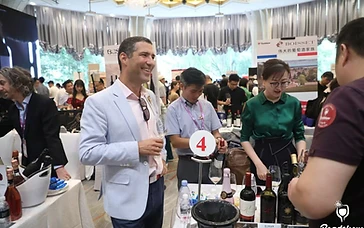
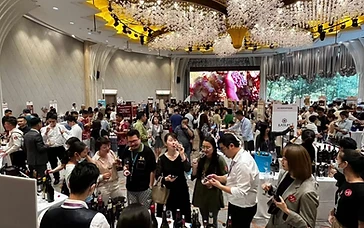
Securing your entry visa grants passage through Chinese customs, but entering the exhibition halls requires accredited professional status. Ketong International Exhibition (Guangzhou) Co., Ltd operates Interwine as an exclusive B2B forum serving trade visitors across imported wine, spirits, craft beer, and accessories.
To obtain trade credentials at the venue, prepare:
- Official Visitor Confirmation: Your digital or printed pre-registration barcode issued when you Book Your Visit.
- Physical Business Cards: At least two original corporate business cards listing your name, executive title, company domain email, and registered office address. Free public email domains (e.g., Gmail, Yahoo) are regularly rejected during on-site accreditation audits.
- Commercial Entity Proof: Importers, wholesalers, sommeliers, and chain retail buyers should carry a printed corporate registry document or trade license copy to resolve any identity verification questions quickly.
- Valid Photo Identification: Your original foreign passport used during pre-registration, as biometric turnstiles and security lanes verify attendee credentials against physical identity papers.
International attendees targeting specific wine regions, national pavilions, or specific private brand distributors can cross-reference confirmed suppliers through the Exhibitor Directory to verify meeting schedules prior to arrival.
Commercial Logistics, Samples, and Currency Regulations
International buyers and brand principals carrying sensory evaluation samples, promotional material, or commercial tools through border points face stringent oversight by the General Administration of Customs of the People's Republic of China (GACC).
Commercial Samples vs. Personal Baggage
Commercial quantities of alcoholic beverages cannot be cleared as standard accompanied tourist baggage. Carrying trade samples into China without declaring them can lead to customs seizure, administrative fines, or clearance impoundment.
- Baggage Allowances: Standard adult allowances permit up to 1,500 ml of alcohol duty-free strictly for personal consumption. Any volumes exceeding this threshold must be formally declared to customs officers.
- Temporary Import of Trade Samples: Sponsoring agencies and exhibitors shipping evaluation bottles must file through a licensed customs broker utilizing an ATA Carnet or formal temporary import bond under customs supervision.
Currency and Electronic Payment Readiness
China's commercial environment operates primarily on digital transactions. Foreign visitors must declare cash holdings exceeding foreign currency equivalents of USD 5,000 or CNY 20,000 upon arrival.
For local expenditures during your procurement itinerary, international visitors must establish working electronic settlement profiles (such as linking foreign credit cards to Alipay or WeChat Pay) or carry international credit cards (Visa, Mastercard) supported by major business-class hotels. Pre-arranging corporate rates through Hotel Accommodation ensures receipt of formal value-added tax invoices (Fapiao) required for commercial expense auditing.
Recommended Documentation Timeline
Managing cross-border paperwork requires strict adherence to administrative milestones. Consular processing backlogs, holidays, and verification delays can threaten attendance timelines.
| Timeline Milestone | Primary Documentation Action | Responsible Entity | | :--- | :--- | :--- | | 60–90 Days Prior | Finalize passport validity (≥6 months); confirm if country qualifies for unilateral visa-free entry. | Visiting Buyer | | 45–60 Days Prior | Complete online visitor registration via Book Your Visit; submit dossier for host invitation. | Buyer & Organizer | | 30–45 Days Prior | Receive official visa invitation letter and host business license; submit application to local CVASC. | Buyer & Consular Center | | 15–30 Days Prior | Secure M visa issuance; finalize onward transport, flight itineraries, and hotel bookings. | Visiting Buyer | | 7 Days Prior | Print hard copies of invitation letter, visa confirmation, business cards, and flight itineraries. | Visiting Buyer | | At Entry Checkpoint | Submit arrival declarations, present original passport and visa, clear automated border checks. | National Immigration Admin |
Conclusion: Executing a Compliant Sourcing Mission
Attending China’s longest-running B2B wine and spirits exhibition provides immediate access to thousands of qualified importers, distributors, and national brand managers across dynamic Asian consumer markets. However, commercial success depends on logistical discipline. Establishing the correct visa category, securing authorized exhibition credentials, and arriving with authenticated commercial documentation eliminates regulatory disruptions at border control.
To initiate your trade clearance and guarantee entry badges for the upcoming edition, Book Your Visit and secure your official commercial invitation credentials.
Sources
- Chinese Visa Application Service Center (CVASC), Notice on the Latest Requirements for Chinese Visa Application, December 2024: https://www.visaforchina.cn/DEL3_EN/tongzhigonggao/327341847557050368.html
- FDI China, Effortless & Essential: Steps to Apply for a China Business Visa, November 2025: https://fdichina.com/blog/how-can-i-apply-for-a-china-business-visa
- National Immigration Administration of the People's Republic of China (NIA), Visa-Free Entry and 144/240-Hour Transit Policies Overview: https://en.nia.gov.cn/
- General Administration of Customs of the People's Republic of China (GACC), Customs Clearance Regulations for Incoming Commercial Travelers: http://english.customs.gov.cn/
Key Takeaways
- —A dedicated Category M business visa is the primary commercial entry permit for international trade visitors attending wine fairs in China.
- —Passports must carry at least six months of remaining validity and two consecutive blank endorsement pages upon the date of entry.
- —Official invitation letters for Chinese commercial visas must detail the visiting buyer's information, host corporate seal, and a certified copy of the inviter's business license.
- —Trade badge accreditation requires physical corporate business cards with matching corporate domains; free generic webmail accounts are rejected.
- —Wine samples cannot be cleared informally as tourist baggage; commercial evaluation bottles require formal customs declarations or temporary import bonds.
Frequently Asked Questions
Can I attend Interwine on a standard tourist (L) visa?
Consular regulations mandate that foreign nationals entering China for trade fairs, negotiations, and procurement apply for a Category M commercial business visa. While tourist (L) visas grant entry for leisure, attending B2B exhibitions on an L visa risks non-compliance with immigration rules if questioned by border authorities regarding the commercial nature of your visit.
How do I obtain an official M visa invitation letter for Interwine?
To obtain an official invitation letter, complete your visitor pre-registration online. You will need to provide your passport bio-page scan, corporate domain email, official business title, and employer details. The event organizer issues the signed invitation letter bearing their official corporate seal along with their business license copy.
Does my country qualify for visa-free entry to visit Interwine?
China offers unilateral 15-to-30-day visa-free entry to citizens of select nations across Europe, Asia, and other regions, as well as 144/240-hour transit waivers via Guangzhou Baiyun International Airport for eligible passport holders transiting to third destinations. However, policy lists change frequently, so check your status with your local Chinese consulate prior to booking travel.
What credentials are required to collect my buyer badge on-site?
To collect your trade badge at the Canton Fair Complex, present your original passport, your digital or printed visitor registration barcode, and at least two physical corporate business cards verifying your commercial affiliation in the wine and beverage trade.
Can I bring commercial wine samples in my checked airline luggage?
Personal baggage allowances are restricted to 1,500 ml of alcohol duty-free for personal consumption. Commercial samples must be declared to Chinese Customs upon entry. If shipping evaluation stock or commercial quantities, use an accredited freight forwarder with ATA Carnet support or formal customs declaration.