Accessibility and On-Site Support at Interwine
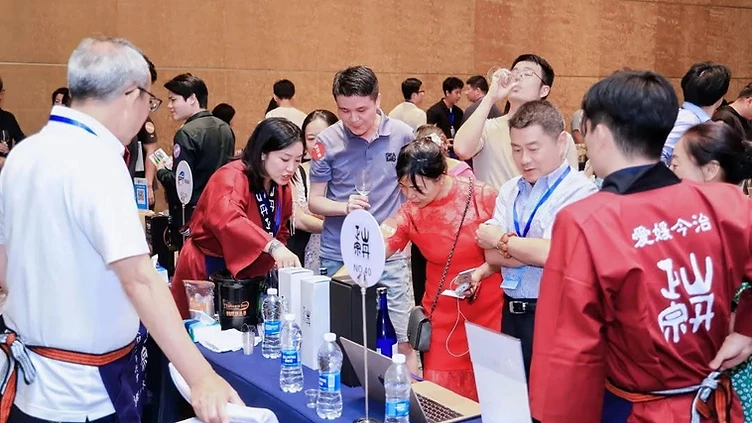
A strategic B2B guide for international wine buyers, importers, and exhibitors navigating accessibility, physical mobility, language interpretation, and on-site operational support at Interwine China.
For international importers, distributors, and overseas winery principals attending Interwine China, navigating a premier Asian wine fair involves far more than scheduling commercial negotiations. China stands as one of the world's most dynamic alcoholic beverage markets, with the Guangdong Provincial Wine & Spirits Association and Interwine industry data reporting that southern China’s Guangdong province handles over 60% of mainland China's imported wine volume. Operating efficiently within this commercial gateway requires understanding the physical accessibility, technical facilities, linguistic services, and logistical infrastructure supporting the event floor.
Whether hosted at landmark venues such as the China Import and Export Fair Complex (Canton Fair Complex) in Guangzhou or the Poly World Trade Center Expo, Interwine bridges global producers with thousands of qualified Chinese wholesalers, supermarket chains, upscale hoteliers, and regional buyers. Navigating sprawling exhibition halls while carrying technical tasting collateral, inventory samples, or accessibility requirements demands comprehensive logistical planning. This operational guide details the on-site accessibility standards, physical assistance resources, linguistic interpretation tools, and trade-floor amenities available to ensure that your commercial delegation maximizes productivity and returns on investment.
Venue Physical Infrastructure and Step-Free Accessibility
Modern international convention facilities in Guangzhou—particularly the China Import and Export Fair Complex—are built to handle massive multi-hall gatherings under modern national public building accessibility codes. For trade delegates with mobility challenges, heavy sample cases, or specialized equipment, knowing the access architecture eliminates operational friction.
Step-Free Entrances, Ramps, and Elevator Access
Major convention facilities hosting Interwine feature barrier-free access routes. Main public concourses connect to designated vehicular drop-off zones where curbside ramps comply with municipal barrier-free construction guidelines. Delegates arriving via private cars or mobility-adapted vans can coordinate drop-offs near Hall service gates.
Vertical mobility throughout multi-level exhibition complexes relies on wide passenger elevators capable of accommodating wheelchairs, mobility devices, and multi-tier sample rolling crates. Visual signaling, tactile buttons, and bilingual voice annunciators (Mandarin and English) are standard across major public elevators. Escalators serve the main high-volume circulation spines, while adjacent hydraulic lifts ensure step-free travel between lower registration concourses, elevated mezzanine meeting lounges, and main tasting zones.
Restroom Facilities and Dedicated Services
Accessible public restrooms (无障碍卫生间) are distributed along main venue corridors and adjacent to high-capacity hall concourses. These restrooms are equipped with safety grab bars, low-reach basins, emergency pull cords, and wide-clearance outward-opening doors. If you require dedicated personal mobility equipment on site, advance notification during the registration phase allows show management to identify specific concourse locations where auxiliary support or manual wheelchair loans can be arranged.
Before heading to the show, international visitors can streamline their journey through the complex by reviewing transport connections in our guide to Arrival and Transportation and securing convenient base facilities via Hotel Accommodation.
Multilingual Support, Interpreters, and Buyer Assistance
Language and commercial alignment remain pivotal for closing distribution agreements across mainland China’s diverse tier-one to tier-three markets. While tier-one Chinese importers frequently employ multilingual procurement directors, hundreds of visiting sub-distributors, regional beverage wholesalers, and hotel purchasing agents conduct business exclusively in Mandarin.
   [International Winery / Exporter]
                 │
                 ▼
   [On-Site Information & Language Desk]
                 │
      ┌──────────┴──────────┐
      ▼                     ▼
[Consecutive Trade]   [Bilingual Liaison Desk]
[Interpreters     ]   (Registration / Navigation)
      │                     │
      └──────────┬──────────┘
                 ▼
   [Direct Buyer Negotiation at Booth]
On-Site Business Interpreters
Interwine China coordinates and collaborates with professional third-party business services to provide on-site bilingual (English-Mandarin, French-Mandarin, Spanish-Mandarin, and Italian-Mandarin) trade interpreters. International delegates can pre-book dedicated consecutive interpreters to accompany them across meetings, masterclasses, and networking zones. These trade interpreters are experienced in wine-specific terminology—such as appellation structures, residual sugar classifications, customs tariff codes (HS Codes), and minimum order quantities (MOQ)—reducing the risk of contractual misunderstandings.
Buyer Concierge Desks and Help Desks
International buyer check-in counters feature English-fluent staff stationed at the primary entrance concourses. Beyond issuing physical smart badges, concierge staff assist with:
- Locating overseas national pavilions (such as France, Italy, Spain, Chile, and South Africa);
- Directing attendees to registered matchmaking sessions and designated masterclass tasting rooms;
- Accessing on-site business centers for printing commercial invoices, spec sheets, and price lists.
To lock in your entry credentials and verify specific liaison desk services before arriving at the venue, be sure to Book Your Visit through our primary trade portal.
Digital Floor Navigation, Smart Badging, and Telecommunications
Large-scale trade exhibitions present navigation challenges. With hundreds of exhibitors and masterclass venues spread across thousands of square meters, digital wayfinding tools are essential for time-sensitive trade visitors.
Digital Wayfinding and Interactive Layouts
Interwine deploys bilingual floor layouts accessible through WeChat mini-programs and official web links. High-resolution venue maps pinpoint booth numbers, national pavilions, water stations, tasting masterclasses, and executive restrooms. Prominent overhead bilingual directional signage spans main aisles, guiding buyers from registration plazas into specialized spirit, fine wine, or equipment halls without confusion.
Connectivity and On-Floor Power Support
Maintaining commercial contact during the fair requires reliable data access. The convention facilities feature public Wi-Fi infrastructure; however, overseas visitors should secure an international roaming package, a local China Unicom/China Mobile eSIM, or an enterprise VPN beforehand to ensure seamless connectivity across Western communication channels. High-traffic trade floor concourses and international buyer hospitality suites offer mobile power bank rental stations (e.g., Meituan, Energy Monster) requiring basic digital payment access, while designated business matchmaking areas feature standard 220V power outlets for charging laptops and commercial presentation devices.
Sommelier Logistics, Glassware Services, and Sample Accessibility
Executing professional wine appraisals across hundreds of exhibition stands involves intensive back-of-house sommelier support. The fair organizer provides specialized physical operations to ensure smooth, safe tasting interactions for all professional buyers.
| Operational Support Service | Service Description | Commercial Benefit for Trade Buyers | | :--- | :--- | :--- | | Central Glassware Logistics | Standard ISO or international tasting stemware available via deposit or inside official masterclasses. | Guarantees sensory accuracy and hygiene across high-volume trade tastings. | | Rinse and Spittoon Stations | Continuous distribution of disposable and sanitizable spittoons, fresh water carafes, and discard points. | Allows buyers to evaluate dozens of labels daily while maintaining sensory focus and sobriety. | | Cold Storage & Ice Provision | Centralized back-of-house chilling facilities for white, rosé, and sparkling wine exhibitors. | Ensures correct serving temperatures for technical sensory appraisals despite high ambient hall foot-traffic. | | Sample Customs Liaison | Coordination through designated logistics forwarding partners for bonded warehouse sample dispatch. | Eliminates customs impound risks for international tasting cases and promotional stock. |
For enterprise buyers seeking organized, high-velocity sourcing itineraries tailored around these logistical conveniences, scheduling sessions in advance through Business Matching and reviewing participants via the Exhibitor Directory maximizes time on the floor.
Health, Safety, and Emergency Protocols
Every professional B2B platform operates under strict Chinese municipal exhibition safety regulations overseen by the Ministry of Emergency Management. Interwine’s venues feature robust, responsive safety architectures designed to protect all participants.
- Medical Aid Stations: Certified on-site first-aid posts staffed by licensed medical personnel operate throughout show hours to address sudden illnesses, physical exhaustion, cuts from broken glassware, or other medical needs.
- Fire and Evacuation Routes: All exhibition halls feature clear, unblocked emergency exit lanes marked with illuminated bilingual exit indicators. Aisles adhere strictly to minimum clear-width regulations to prevent bottlenecks during peak entry and exit waves.
- Security and Sample Protection: Uniformed security personnel monitor all hall checkpoints. Entry requires smart badge scanning alongside standard municipal security screening (X-ray bag inspections) to safeguard high-value vintage collections, equipment, and buyer personal effects.
Foreign trade delegates preparing travel documentation and letters of entry can review our administrative visa services under Invitation Letter and Visa Support to ensure seamless border entry ahead of event operations.
Conclusion: Maximize Your Commercial Sourcing with Prepared Operations
Commercial success at Interwine relies on preparation: combining qualified supplier meetings with an understanding of on-site support infrastructure. From step-free venue navigation and dedicated bilingual interpreters to commercial sample logistics, Interwine China delivers the physical and logistical framework required for cross-border wine trade. Secure your visitor registration early, confirm mobility or translation accommodations with organizer staff in advance, and leverage on-site support services to optimize your commercial transactions across Greater China.
Sources
- Interwine China Official Portal — Exhibition Overview, Venue Profiles, and Buyer Services (http://www.interwine.org/en)
- Ministry of Commerce of the People's Republic of China (MOFCOM) — Guidelines on Exhibition and Trade Fair Management and Approvals (http://english.mofcom.gov.cn/)
- International Wine & Spirit Research (IWSR) — China Beverage Alcohol Market Trends & Distribution Channel Studies (https://www.theiwsr.com/)
- Poly World Trade Center Expo (PWTC Expo) — Venue Accessibility, Operations, and Facility Specifications (http://www.pwtcexpo.com/)
Key Takeaways
- —Guangzhou's exhibition venues hosting Interwine feature modern step-free ramps, wide passenger elevators, and accessible restrooms compliant with municipal barrier-free building codes.
- —On-site consecutive business interpreters can be pre-arranged to bridge language gaps across technical wine negotiations, pricing structures, and import compliance terms.
- —Dedicated international buyer concierge desks provide bilingual badge retrieval, pavilion wayfinding, and business center printing services at primary entrance concourses.
- —Organized tasting infrastructure—including central glassware depots, chilling facilities, and spittoon services—ensures seamless sensory evaluation across large-scale exhibition floors.
- —Bilingual digital floor maps accessible via mobile devices streamline booth navigation, locating national pavilions, and scheduling trade activities efficiently.
Frequently Asked Questions
Are the exhibition venues hosting Interwine wheelchair accessible?
Yes. Venues like the Canton Fair Complex and Poly World Trade Center Expo are built with barrier-free ground entries, step-free access ramps, high-capacity passenger elevators with bilingual voice prompts, and dedicated accessible restrooms.
Can international buyers hire bilingual interpreters directly for Interwine?
Yes. Professional translation and trade interpretation services (Mandarin-English, French, Spanish, Italian) can be arranged in advance via organizer support channels or authorized exhibition partners to assist during booth negotiations.
What assistance is available on site if I lose my badge or cannot locate an exhibitor?
International Buyer Concierge desks and Help Desks located at main hall entrances provide English-speaking assistance for badge re-printing, exhibitor locator maps, and digital guide support.
Does Interwine provide equipment for professional wine tasting and sample chilling?
Yes. Exhibitors and masterclass organizers have access to central sommelier logistics, including standard tasting stemware, ice provision, chilling facilities, spittoons, and clean water stations throughout the event.
How should overseas attendees handle on-site payments and digital connectivity?
While public venue Wi-Fi is available, visitors are advised to secure a local Chinese eSIM or international data roaming package. For on-site purchases or mobile power bank rentals, linking international credit cards to Alipay or WeChat Pay beforehand ensures seamless transactions.