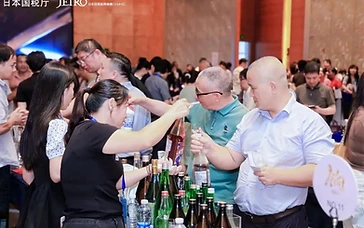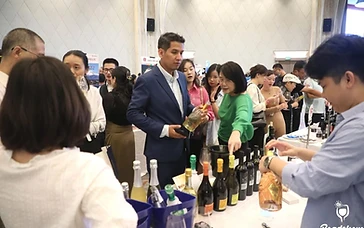
What to Do Before, During and After Interwine
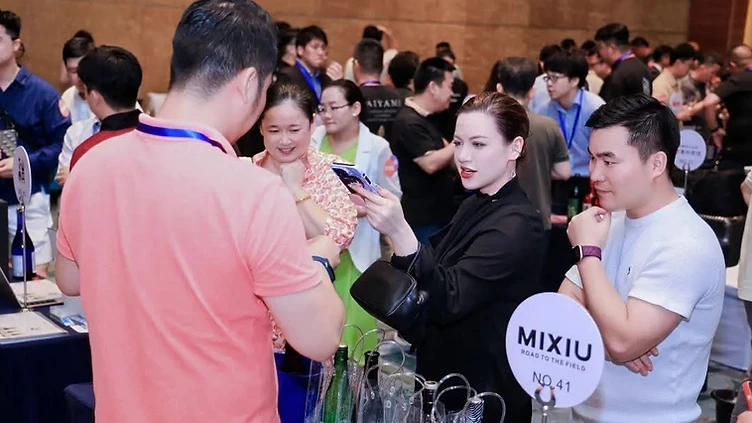
A high-impact operational roadmap detailing what importers, distributors, buyers, and international visitors must execute before, during, and after Interwine to maximize commercial ROI.
To generate measurable commercial return at Interwine, professional buyers, importers, and international visitors must approach the exhibition as an integrated three-phase business cycle rather than an ad-hoc tasting tour. According to industry records documented by Wikipedia's Interwine Profile, the fair was established in 2005 by Canton Universal Fair Group Ltd. as a direct response to China reducing imported wine customs tariffs from 40% to 14%. Over two decades of continuous trade operations, the southern China region centered in Guangdong has developed into mainland China's most active imported wine trade gateway, accounting for more than 60% of all wine imports. Because of this massive commercial concentration, entering the exhibition floor without pre-aligned commercial parameters leads to wasted sourcing capital, missed distribution allocations, and unproductive supplier meetings.
Maximizing the return on investment (ROI) of visiting Interwine requires strict discipline: pre-qualifying international producers six to ten weeks prior to departure, conducting rigorous sensory and compliance audits on-site in Guangzhou, and executing structured commercial follow-ups within days of exhibition close. Whether your objective is securing exclusive tier-one regional distribution, sourcing high-margin private label lines, or curating fine-wine selections for hospitality channels, following an operational framework transforms transactional floor meetings into sustainable, legally compliant distribution partnerships.
Phase 1: What to Do Before Interwine (T-10 Weeks to T-Day)
Commercial success at Interwine is determined long before arriving at the exhibition hall. High-volume buyers and international delegates require structured pre-fair groundwork covering portfolio analysis, compliance verification, and pre-scheduled meeting arrangements.
1. Conduct Sourcing Portfolio and Channel Gap Audits
Before scanning catalog listings, buyers must audit their distribution channels to determine target SKU price bands, required margins, and geographic territories. Importers targeting regional off-premise retail chains operate under distinct pricing structures compared to luxury on-premise (HoReCa) wholesalers. Define your specific criteria:
- Required Volume & MOQ: Can the winery fulfill sustained multi-container contracts, or are you sourcing boutique allocations (e.g., 50–200 cases per vintage)?
- Target CIF/FOB Price Brackets: Calculate landed costs, duties, consumption taxes, VAT, and logistics expenses beforehand to establish non-negotiable supplier price caps.
- Market Packaging Preferences: Align label aesthetic, screwcap versus natural cork closures, and carton weights with Chinese consumer preferences in your distribution territory.
2. Pre-Qualify Exhibitors and Pre-Book Targeted Meetings
According to trade data published by BestWineImporters' Interwine China Guide, serious buyers should begin outreach 6 to 10 weeks before the fair, targeting an optimized agenda of 10 to 20 pre-booked meetings. This pre-event window prevents schedule conflicts with high-demand national pavilions and international brand owners.
- Review the confirmed directory via the official Exhibitor Directory to isolate verified producers from secondary trading houses.
- Utilize digital tools and the official Business Matching platform to initiate direct contact, screen portfolio spec sheets, and request export price files in advance.
- Confirm meeting agendas in 45-minute blocks, allowing 15-minute buffers to navigate expansive multi-hall exhibition complexes without missing critical appointments.
3. Finalize Visas, Regional Logistics, and Buyer Credentials
International procurement teams traveling to Guangzhou must address strict administrative timelines. Cross-border travel necessitates swift handling of travel authorizations:
- Request your official trade validation through the Invitation Letter and Visa Support desk at least 8 weeks ahead of travel.
- Secure official credentials early through Book Your Visit to avoid lengthy verification lines at on-site registration desks.
- Select transit-connected lodging via Hotel Accommodation near the Pazhou exhibition hub, and review local transit schedules using the Arrival and Transportation guide to ensure punctuality during morning peak traffic.
Phase 2: What to Do During Interwine (Exhibition Days 1 to 3)
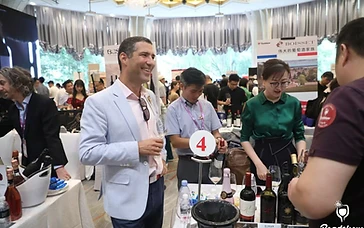
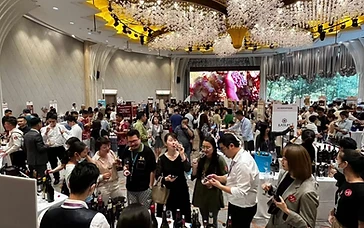
Once on-site at Interwine, operational efficiency becomes paramount. With hundreds of regional groups, national pavilions, and boutique estates presenting thousands of SKUs, an undisciplined approach leads to sensory fatigue and unfocused negotiations.
┌────────────────────────────────────────────────────────┐
│         OPTIMAL DAILY INTERWINE OPERATIONAL FLOW        │
├─────────────────┬──────────────────────────────────────┤
│ 09:30 - 12:30   │ High-Priority Pre-Booked B2B Sourcing │
│                 │ & Technical Producer Negotiations    │
├─────────────────┼──────────────────────────────────────┤
│ 12:30 - 13:30   │ Hydration, Palate Reset & Log Review │
├─────────────────┼──────────────────────────────────────┤
│ 13:30 - 16:00   │ Masterclasses, Sommelier Tastings &  │
│                 │ Trend Discovery at Interwine Events  │
├─────────────────┼──────────────────────────────────────┤
│ 16:00 - 17:30   │ Spontaneous Hall Scouting, Packaging │
│                 │ Audits & Contact Consolidation       │
└─────────────────┴──────────────────────────────────────┘
1. Execute Structured Supplier Meetings and Commercial Auditing
Arrive at supplier meetings prepared to negotiate business fundamentals rather than casually sampling products. For every viable SKU, verify the following commercial parameters directly with export directors:
- Pricing Structure: Confirm quotes are clearly delineated as Ex-Works (EXW), Free On Board (FOB), or Cost, Insurance, and Freight (CIF) to major ports (such as Guangzhou, Shenzhen, or Shanghai).
- Regulatory Clearance & Traceability: Ensure the foreign producer possesses necessary export documentation, laboratory analysis certificates, and sanitary declarations required by the General Administration of Customs of China (GACC).
- Regional Exclusivity Terms: Discuss territorial rights explicitly. Clarify whether distributor exclusivity applies at national, provincial, or municipal levels, and define annual performance review metrics.
2. Guard Sensory Acuity and Maintain Systematic Tasting Records
Palate fatigue directly degrades commercial judgment. Professional buyers tasting dozens of wines daily must maintain strict tasting protocols:
- Systematically spit every sample, drink equal parts room-temperature water, and avoid coffee or spicy meals during exhibition hours.
- Maintain a digital scoring matrix or catalog logging application. Photograph the front and back labels alongside the producer's business card or WeChat contact.
- Categorize each supplier immediately using a simple triage system: Priority A (Immediate follow-up / sample orders), Priority B (Benchmarking / secondary replacement), and Priority C (Not aligned / non-viable pricing).
3. Leverage High-Value Educational and Networking Sessions
Beyond individual booth meetings, market leaders attend scheduled programming listed under Interwine Events. These masterclasses, guided by Masters of Wine, renowned sommeliers, and trade authorities, provide invaluable market intelligence regarding evolving consumer demographics, emerging varietal trends, and shifting tariff environments across Asia.
Phase 3: What to Do After Interwine (T+1 Day to T+30 Days)
Sourcing value is lost when buyers treat trade shows as isolated events. The post-fair execution window determines whether handshakes convert into commercially sound, long-term supply agreements.
1. Implement Fast 72-Hour Personalized Outreach
International wine producers meet hundreds of visitors across three days of exhibition traffic. Buyers who delay communication risk losing allocation reservations to competitive distributors.
- Segment collected records into your CRM within 48 hours of exhibition closure.
- Send structured, personalized follow-ups referencing specific discussions, sampled vintages, and mutually noted pricing terms.
- Connect through direct instant communication channels (such as verified corporate email and WeChat) to maintain uninterrupted dialogue with export managers.
2. Order Formal Benchmark Samples and Initiate Technical Verification
Never issue container purchase orders based exclusively on exhibition-floor sampling under uncontrolled ambient temperatures. Request formal tasting and laboratory samples shipped under temperature-controlled logistics directly to your testing facilities.
- Conduct comparative blind tastings alongside your existing portfolio benchmarks and key competitor offerings in your target market.
- Audit back-label compliance, ensuring all mandatory information (alcohol content, sulfur warnings, volume declarations, and Chinese translation formatting) strictly aligns with current national food and beverage standards.
- Request sample Certificate of Origin documentation and lab analyses to ensure no bureaucratic delays arise during port clearance.
3. Finalize Legal Contracts, Payment Terms, and Logistics Protocols
Transitioning from sample validation to operational execution requires concrete commercial terms:
- Define milestone payment structures (e.g., standard trade deposits against bill of lading issuance) to manage currency exchange and credit risk.
- Secure formal distributor agreements specifying non-compete clauses, dispute arbitration mechanisms, and designated trademark protection.
- Confirm bonded warehousing, refrigerated reefer container requirements, and shipping timelines to prevent wine degradation during maritime transit.
Summary of Strategic Best Practices
┌─────────────────┬────────────────────────────────────────────────────────┐
│ TIMEFRAME       │ KEY OPERATIONAL DELIVERABLES                           │
├─────────────────┼────────────────────────────────────────────────────────┤
│ Before the Fair │ • Portfolio gap analysis & CIF target setting          │
│ (Weeks 10 to 1) │ • Pre-schedule 10–20 meetings via Business Matching    │
│                 │ • Secure credentials, visas & Pazhou accommodations    │
├─────────────────┼────────────────────────────────────────────────────────┤
│ During the Fair │ • Audit GACC compliance, pricing tiers & MOQs          │
│ (Days 1 to 3)   │ • Systematic spitting, logging & A/B/C lead triage     │
│                 │ • Attend expert-led masterclasses & market seminars    │
├─────────────────┼────────────────────────────────────────────────────────┤
│ After the Fair  │ • Re-engage qualified suppliers within 72 hours        │
│ (Days 1 to 30)  │ • Blind-test controlled benchmark samples              │
│                 │ • Finalize distribution agreements & reefer logistics  │
└─────────────────┴────────────────────────────────────────────────────────┘
Approaching Interwine through a rigorous, research-led methodology eliminates speculative purchasing, protects distribution margins, and establishes durable commercial partnerships with premier global producers. Register early through Book Your Visit to reserve your priority buyer pass and secure access to upcoming business-matching sessions.
Sources
- Interwine China Profile & Historical Context (2025) — https://en.wikipedia.org/wiki/Interwine
- BestWineImporters: Interwine China 2026 Fair Overview & Importer Outreach Guidelines (2026) — https://www.bestwineimporters.com/resources/wine-trade-fairs/interwine-china
- Ticket2U: Online Business Matching Solutions for Event Sourcing & Trade (2020) — https://www.ticket2u.com.my/blog/8/online-business-matching-solutions-help-attendees-in-maximizing-business-networking-opportunities-at-your-event
Key Takeaways
- —Preparation should begin 6–10 weeks prior to Interwine, pre-scheduling 10–20 high-priority buyer meetings to avoid scheduling bottlenecks.
- —Guangdong serves as China's largest wine import gateway, historically representing over 60% of all mainland wine imports.
- —Verify producer compliance with General Administration of Customs of China (GACC) regulations and clarify CIF/FOB pricing during initial meetings.
- —Avoid palate fatigue by scheduling high-stakes commercial discussions during morning sessions and systematically logging leads.
- —Initiate post-fair follow-up within 72 hours, ordering formal temperature-controlled benchmark samples prior to signing container purchase contracts.
Frequently Asked Questions
How far in advance should buyers prepare for Interwine?
Professional buyers and importers should begin preparation 6 to 10 weeks before the exhibition. This timeline allows sufficient room to audit current portfolio gaps, pre-qualify exhibitors using the digital directory, pre-book 10 to 20 formal B2B meetings, and complete regional travel or visa arrangements.
What documentation should buyers request from producers during the fair?
Buyers should request FOB/CIF price lists, minimum order quantities (MOQs), technical spec sheets, and proof of regulatory compliance for mainland China (such as GACC registration confirmation, laboratory analysis documentation, and sanitary certificate availability).
Why is Guangdong considered a strategic location for wine sourcing and distribution?
Guangdong Province is China's most active imported wine trade hub, historically accounting for over 60% of total national wine imports. Sourcing in Guangzhou connects international buyers directly with the largest regional network of active distributors, bonded logistics networks, and established trade infrastructure.
How quickly should post-show follow-ups be completed after Interwine?
Follow-up outreach should be executed within 48 to 72 hours following the fair's conclusion. Prompt personalized contact ensures discussions remain fresh, reserves allocated volumes, and accelerates benchmark sample shipments before competitors engage the producer.
Should buyers sign container contracts directly on the exhibition floor?
It is rarely advisable to sign large-volume container contracts strictly based on exhibition tastings. Temperature fluctuations and palate fatigue can compromise sensory evaluations. Instead, use floor meetings to establish commercial parameters and request formal, temperature-controlled benchmark samples for laboratory and blind testing before signing binding contracts.