Post-Exhibition Lead Follow-Up Strategy for Wineries
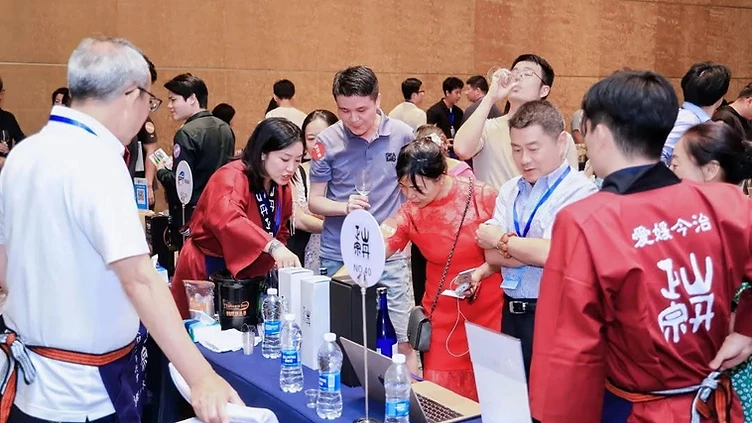
A high-converting post-exhibition lead follow-up strategy for wineries requires fast data ingestion, rigorous commercial qualification, and channel-aligned nurturing across regional wine trade channels.
For wine producers and brand owners, participating in international trade shows represents a substantial commercial investment. However, trade event ROI is overwhelmingly determined after the exhibition doors close. According to B2B revenue research published by Default in 2026, upwards of 80% of trade show leads are never properly converted into commercial pipeline, frequently sitting untouched for days or weeks. In an evolving global beverage market where wholesale channels are undergoing structural consolidation—as analyzed by the Wine Industry Advisor in 2026—wineries cannot afford generic mass outreach. A disciplined, post-exhibition lead follow-up strategy bridges the gap between a successful booth tasting and signed purchase orders, converting raw booth traffic into resilient commercial accounts.
Immediate Post-Show Protocol: The Critical 48-Hour Ingestion Window
The hours immediately following a trade fair dictate pipeline velocity. Contact momentum deteriorates rapidly; prospective importers, regional distributors, and off-premise buyers interface with hundreds of producers across an exhibition cycle. To prevent fatigue and brand obsolescence, commercial teams must execute a synchronized data ingestion routine within 24 to 48 hours of exhibition closure.
Lead Consolidation and Hygiene
Before drafting an email or dispatching price sheets, your export desk must unify disparate contact capture formats. In-booth business card scans, badge reader data, handwritten tasting notes, and informal social connections (such as WeChat or WhatsApp) must be consolidated into a centralized Customer Relationship Management (CRM) platform. Ensure that data records explicitly pair buyer identities with specific SKUs tasted, declared annual purchasing capacity, target incoterms (such as EXW or FOB), and distribution territories. Establishing this single source of truth mitigates contact duplication and preserves nuances captured during hall conversations.
The First Commercial Touchpoint
Initial post-fair outreach should commence while booth interactions remain top of mind. Rather than deploying an indiscriminate PDF catalogue, outbound messaging should be tailored around specific booth touchpoints. A strong opening cadence expresses concise professional gratitude while referencing the exact vintages reviewed during the meeting, accompanied by a clean digital tech sheet and clear commercial contact details.
Commercial Lead Scoring and Tiering for Wine Importers and Distributors
Not all event leads possess equal purchasing intent. Indiscriminate follow-up exhausts internal sales teams on unvetted researchers or low-volume retailers while high-volume national distributors slip through operational cracks. Adopting a structured B2B lead scoring matrix categorizes prospects into distinct operational tiers, accelerating commercial close rates.
+----------------------------------------------------------------------------------------------------------------------+
| B2B WINE EXPORT LEAD PRIORITIZATION MATRIX                                                                           |
+------+-------------------------------------------+-----------------------------------+------------------------------+
| Tier | Buyer Profile                             | Operational Action                | Target Response Time         |
+------+-------------------------------------------+-----------------------------------+------------------------------+
| A    | High-Intent Importers / Regional Chain DMMs | Tailored FOB/CIF proposal & sample  | Within 24-48 hours           |
|      | (Discussed volume, SKUs, license status)  | dispatch schedule review          |                              |
+------+-------------------------------------------+-----------------------------------+------------------------------+
| B    | Active Wholesalers & Independent On-Trade | Regional portfolio catalog, MOQ   | Within 3-5 business days     |
|      | (Expressed palate interest; vague timing) | thresholds, invitation to nurture |                              |
+------+-------------------------------------------+-----------------------------------+------------------------------+
| C    | Informational Leads, Media, Walk-Ins      | General corporate newsletter      | Within 7-10 business days    |
|      | (General brand curiosity, no volume specs)| and automated digital updates     |                              |
+------+-------------------------------------------+-----------------------------------+------------------------------+
Tier A: High-Intent Decision-Makers
Tier A leads are licensed importers, beverage directors, and established distributors who arrived at your stand with precise market mandates. They discussed volume allocations, pricing structures, private label interests, or state/provincial compliance logistics. For these accounts, your follow-up must be high-touch, consultative, and led directly by the regional export director. Reiterate agreed-upon commercial margins, provide landed-cost estimates, and outline immediate sampling timelines.
Tier B: Mid-Intent Commercial Buyers
These prospects comprise established regional wholesalers, regional boutique hospitality groups, and independent retailers who demonstrated clear palate affinity and commercial appreciation for your portfolio but lack immediate seasonal inventory vacancies. These leads should receive structured portfolio decks detailing minimum order quantities (MOQs), mixed-pallet consolidation capabilities, and regional awards, positioning your brand for upcoming portfolio reviews.
Tier C: Nurture and Exploratory Contacts
Media representatives, trade educators, non-commercial tasting attendees, and exploratory retailers belong in an automated educational email campaign. While they rarely drive direct container shipments, maintaining sustained awareness through quarterly vintage reports, harvest retrospectives, and virtual masterclass invitations creates brand advocates who influence downstream demand over multi-year cycles.
Structuring Multi-Channel Outreach and Regional Communication Nuance
Western trade practices traditionally lean on enterprise email workflows and professional networks such as LinkedIn. However, navigating cross-border trade shows—particularly in vital import hubs such as Mainland China and wider Asia-Pacific corridors—requires multi-channel flexibility and localized communication channels.
Channel Localization and Direct Messaging
In South China and broader Asian distribution networks, email frequently acts as a secondary verification repository rather than a real-time negotiation channel. According to trade profile documentation from Wikiland (2024), over 60% of mainland Chinese wine imports funnel through the dynamic commercial corridors of Guangdong. In these fast-moving markets, business communication and document exchange happen primarily over messaging tools such as WeChat. Wineries failing to deploy prompt, real-time messaging after a trade fair risk losing buyer engagement to domestic or international competitors who provide immediate messaging responses.
Producers expanding in Asia should ensure export personnel manage official corporate profiles, maintain readily accessible digital sell-sheets in localized terminology, and capture direct contact handles in-booth. Utilizing curated networking avenues, such as Interwine's verified Business Matching services, gives wineries pre-screened distributor details that accelerate post-event communication across regional digital ecosystems.
The Systematic Multi-Touch Cadence
A disciplined follow-up schedule prevents conversations from stalling without inundating commercial buyers:
- Day 2: Personalized transactional verification acknowledging the booth dialogue and sharing requested SKU tech sheets.
- Day 5–7: Targeted commercial follow-up addressing logistics terms, container consolidation options, or domestic warehousing availability.
- Day 14: Value-driven touchpoint providing third-party verification, such as recent vintage scores, regional press accolades, or market case studies.
- Day 21: Sample reconciliation outreach to confirm delivery receipt and evaluate tasting feedback from internal portfolio buying panels.
- Day 30: Formal closure check-in establishing whether your wines fit into their immediate seasonal procurement cycle or should be scheduled for the next quarterly review.
Sample Logistics, Landed Cost Projections, and Sample Conversion
One of the most frequent friction points in post-exhibition wine negotiation is mishandled sample dispatch. Commercial buyers require verification bottles for internal selection committees, sommelier panels, and retail merchandising reviews. When sample logistics are slow, expensive, or compliant-compromised, prospective accounts evaporate.
Pre-Clearing Regulatory and Customs Pathways
International sample dispatches encounter stringent customs, labeling, and import duty regulations. In markets with rigorous import testing or unique back-label formatting, sample packages can be held indefinitely at regional borders. Producers must establish relationships with specialized beverage freight forwarders capable of door-to-door delivery with duties paid (DDP). Supplying complete commercial invoices marked explicitly for trade evaluation, alongside analysis certificates (alcohol by volume, total acidity, sulfur levels), ensures samples reach the buyer’s tasting panel pristine and uncompromised.
Proactive Landed Cost Modeling
Do not expect prospective importers to calculate currency conversions, freight rates, inland drayage, and regional excise duties unassisted. When sending sample follow-ups to qualified buyers, present an estimated landed-cost model detailing FOB winery pricing alongside estimated CIF major-port landed rates. Providing transparent pricing structures enables procurement officers to immediately model internal retail margins and distributor markups, reducing friction in commercial negotiations.
Measuring Event ROI and Refining the Commercial Playbook
Optimizing your exhibition investments requires tracking post-show conversion metrics beyond immediate hall foot traffic. Wineries should review follow-up analytics quarterly to refine their trade fair playbook:
- Lead-to-Sample Rate: Percentage of qualified booth leads who advance to an approved tasting panel sample shipment.
- Sample-to-Commercial Order Rate: Percentage of sample recipients who issue a formal purchase order within 90 to 180 days.
- Customer Acquisition Cost (CAC) vs. Lifetime Value (LTV): Net exhibition expenditure divided by the cumulative gross margin of acquired accounts over a 24-month horizon.
- Territory Expansion Velocity: Verification of opened distribution territories, state listings, or import licenses derived directly from event contacts.
When producers implement a structured lead intake, tiering, and regional communication playbook, trade exhibitions transition from speculative expenditures into predictable B2B sales pipelines. To secure direct access to pre-screened importers, distributors, and buyers across key consumer markets, review the practical pathways to Become an Exhibitor at an upcoming event, or explore our curated Market Insights and News and Magazine resources to stay ahead of international trade shifts.
Sources
- Default: 9 Best Strategies to Follow Up on Trade Show Leads (2026)
- Wine Industry Advisor: The Wine Market Has Changed. Here’s How to Navigate What Comes Next (2026)
- SevenFifty Daily: A Winery Guide to Trade Show Success (2023)
- Wikiland: Interwine Exhibition Overview and Import Trade Hubs (2024)
Key Takeaways
- —Over 80% of trade show leads are lost without a structured, multi-touch B2B follow-up playbook initiated within 24 to 48 hours of exhibition closure.
- —Categorizing booth leads into distinct tiers (A, B, C) based on decision-making authority and volume intent prevents commercial teams from overinvesting in casual contacts.
- —Sample dispatch must be accompanied by proactive landed-cost calculations (FOB vs. CIF) and compliant DDP shipping to prevent customs gridlock.
- —Regional trade dynamics require localized communication tools, such as WeChat in key Asian distribution markets, to avoid losing deals to faster-moving competitors.
- —Tracking post-event pipeline metrics—including lead-to-sample and sample-to-PO conversion rates—ensures verifiable return on trade show capital.
Frequently Asked Questions
How quickly should a winery send the first follow-up message after a trade exhibition?
Wineries should execute initial outreach within 24 to 48 hours post-event. High-intent buyers interact with dozens of brands; early, personalized communication that references the exact SKUs tasted ensures your portfolio remains top of mind before commercial procurement decisions are finalized.
What is the most common mistake wineries make when following up on trade leads?
The most common error is sending generic, non-segmented marketing blasts featuring generic wholesale catalogs. High-volume importers and retail buyers require tailored pricing (FOB/CIF), clear minimum order quantities, and direct references to their regional licensing or distribution needs.
How should international sample requests be handled during post-show follow-up?
Always pre-vet sample requests by verifying commercial buyer credentials, and dispatch bottles via Delivered Duty Paid (DDP) freight with complete laboratory certificates of analysis. Unforeseen import duties or customs delays at the border disrupt tasting timelines and damage your commercial credibility.
Why is multi-channel messaging important when following up with Asian wine importers?
In key dynamic regions like Mainland China and Southeast Asia, business communication moves rapidly on mobile messaging platforms like WeChat. Relying solely on enterprise email outreach often leads to delayed responses, whereas prompt communication on native platforms keeps discussions active.