How to Prepare Your Booth for Interwine
A comprehensive operational blueprint for wineries, spirits producers, and export groups preparing an exhibition stand at Interwine China. Learn critical timelines, customs logistics, booth design strategies, bilingual staffing protocols, and on-site buyer conversion practices.
Strategic Preparation: Transforming Exhibition Footprint into Market Access
Exhibiting at an international wine and spirits exhibition in mainland China demands far more than shipping wine crates and hanging a graphic banner. For overseas estates, regional consortiums, and spirits brand owners, your presence on the expo floor represents your commercial infrastructure in the Asia-Pacific territory. Knowing how to prepare your booth for interwine means balancing rigorous operational logistics, strategic graphic communication, compliant customs handling, and culturally nuanced sales engagement.
Interwine China operates as a premier B2B gateway connecting international producers directly with certified Chinese importers, regional wholesalers, high-end hospitality procurement teams, and cross-border e-commerce operators. To capture measurable return on investment (ROI) and avoid costly operational missteps, international wineries must adopt a phased, commercial methodology.
Producers seeking qualified regional partnerships should review the formal intake requirements to Become an Exhibitor well before show dates, anchoring their physical presence in advance trade planning.
The Operational Timeline: Milestones from 6 Months to Showtime
Trade show success relies on backward planning. In international wine fairs, import compliance, customs clearance, and bilingual collateral production dictate tight deadlines that cannot be compressed without significant financial penalties.
6–8 Months Out: Space selection, booth type commitment, sample inventory allocation
4–5 Months Out: Sample logistics dispatch, customs pre-registration, CIQ label approvals
2–3 Months Out: Bilingual stand graphic production, furniture & utilities ordering
1 Month Out: Pre-fair buyer invitations, B2B matchmaking confirmation, staff briefing
Fair Week: On-site inspection, stemware & refrigeration staging, buyer negotiations
6 to 8 Months Out: Stand Selection and Commercial Objectives
Early booth reservation determines foot traffic quality. The official Interwine Exhibitor Manual outlines options between basic standard shell schemes and custom raw space builds.
- Standard Shell Scheme: Ideal for boutique wineries or single-brand launches testing Chinese buyer receptivity. It includes modular wall panels, carpet, fascia board typography, basic spot lighting, and basic display shelves.
- Raw Space (Custom Build): Recommended for regional trade associations, national pavilions, and enterprise estates requiring private tasting lounges, branded backdrops, and dedicated storage rooms. Raw space builds require submitting detailed architectural schematics to show operations for safety and electrical certifications at least 60 days before installation.
Concurrently, evaluate upcoming events on the official calendar by checking Interwine Events to coordinate masterclasses or regional tasting features with your booth schedule.
4 to 5 Months Out: Sample Shipping and Regulatory Paperwork
Transporting commercial wine samples into China is governed by strict sanitary and customs controls overseen by the General Administration of Customs of China (GACC). Exhibitors must register facilities under GACC Decree 248/249 requirements. Wine samples entering for trade display require temporary import or sample import documentation, Certificate of Origin, and official laboratory analysis reports.
Partner exclusively with the exhibition’s officially appointed freight forwarders. These specialists coordinate bonded logistics, ensuring that sample pallets clear port inspections and arrive directly at the Guangzhou or regional venue without getting held at customs border inspection stations.
2 to 3 Months Out: Collateral Localization and Technical Orders
Never rely on unlocalized Western collateral. Chinese distribution directors evaluate commercial feasibility rapidly: price point, bottle weight, carton specifications, origin accreditation, and pallet configurations.
Design your brochures with native Simplified Chinese copy alongside original English, Italian, French, or Spanish descriptions. Confirm electrical loads, high-powered refrigeration rentals, daily ice supply orders, and specialized glassware allocations via the exhibitor service portal.
Designing the Functional B2B Wine Booth
An effective trade show stand functions as a commercial tasting laboratory, client negotiation suite, and high-impact visual billboard. General business research on trade show booth architecture emphasizes clear brand sightlines and functional segmentation (SpeedPro, 2025).
+-------------------------------------------------------+
|                   HIGH BRAND FASCIA                   |
|       (Brand Name / Region / Flag / QR Code)         |
+-------------------------------------------------------+
|                                                       |
|  +------------------+           +------------------+  |
|  |  DISPLAY SHELVES |           |  PRIVATE LOUNGE  |  |
|  |  (Hero SKU Pods) |           |  (Semi-enclosed, |  |
|  |                  |           |   Contract Talks)|  |
|  +------------------+           +------------------+  |
|                                                       |
|  +-------------------------------------------------+  |
|  |               OPEN TASTING BAR                  |
|  |  (Ice Buckets, Spittoons, Glassware, Water)     |
|  +-------------------------------------------------+  |
|                                                       |
|                     WALKWAY TRAFFIC                   |
+-------------------------------------------------------+
Visual Hierarchy and Graphic Typography
In a bustling exhibition hall with hundreds of competing producers, your booth fascia must communicate critical sourcing parameters within three seconds:
- Country of Origin and Appellation: Display your region (e.g., Bordeaux AOC, Barolo DOCG, Rioja DOCa, Napa Valley AVA, Barossa Valley) prominently. Chinese buyers frequently source by designated geographic origin.
- Commercial Tiering: Clearly indicate if you offer boutique premium estate bottling, high-volume Private Label/OEM capabilities, or certified organic/biodynamic wines.
- High-Contrast Digital Assets: Prominently print your official corporate WeChat QR code on backdrops, counter facades, and informational handouts to enable one-touch digital contact sharing.
Floorplan Ergonomics: The Three-Zone Model
High-performing wine exhibition stands separate casual foot traffic from serious commercial procurement negotiations:
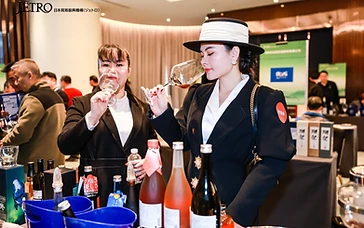
- Zone 1: Frontline Tasting Counter: Positioned directly on the aisle line to welcome passing buyers. Keep current-vintage benchmark bottles, spittoons, clean dump buckets, professional stemware, and water pitchers staged here for quick, efficient pours.
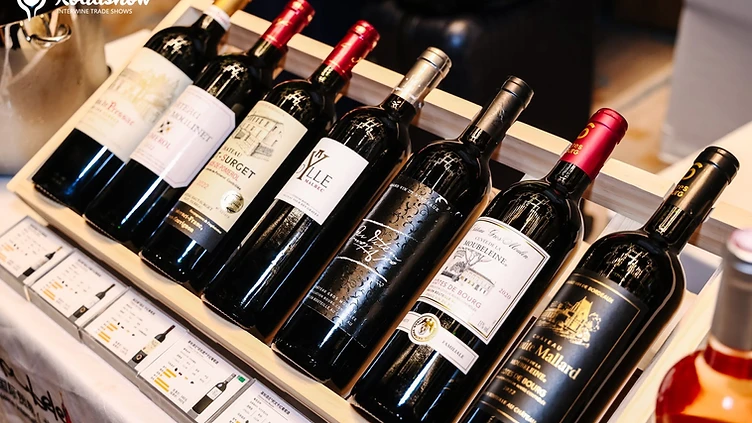
- Zone 2: Product Showcase: Vertical, back-lit shelving or glass showcases holding your complete portfolio. Display bottles upright at eye level, accompanied by clear Chinese spec cards detailing varietals, vintage, oak aging profiles, and international competition scores.
- Zone 3: Private Negotiation Lounge: Tucked behind the main bar or partitioned by semi-translucent screens. Serious Chinese importers will not finalize container-volume distribution commitments or discuss confidential FOB/CIF pricing while standing exposed in crowded walkways.
Logistics, Glassware, and Temperature Integrity
Wine is a delicate, perishable commodity. Temperature abuse during transit or on-site storage can ruin library vintages and nullify months of commercial preparation.
| Operational Element | Standard Recommendation | Critical Risk to Avoid | | :--- | :--- | :--- | | Refrigerated Cabinets | Rent dedicated wine chillers maintaining 8°C–12°C for whites/sparkling and 16°C–18°C for reds | Ambient venue temperatures exceeding 24°C spoiling open sample bottles | | Sample Calculations | Allocate 3 to 4 bottles per SKU per exhibition day; standard 30–45 ml tasting pours | Running out of flagship inventory before Day 3 afternoon distributor meetings | | Glassware Protocols | Maintain a minimum inventory of 80–120 tasting glasses per 9 sqm; contract cleaning service | Clouded glasses or soap residue distorting aroma profiles during judging or VIP tastings | | Spittoons & Sanitation| Stainless steel or opaque spittoons emptied every 45 minutes; abundant bottled water | Overflowing waste stations damaging the premium visual perception of the estate |
Analysis Note: Ensure you have corkscrews, stoppers, foil cutters, microfiber polishing cloths, and drop-stops packed in your emergency staff kit. Do not depend on venue staff for small tasting tools.
Staffing, Cultural Fluency, and Digital Lead Capture
A beautifully constructed booth yields negligible sales without properly aligned staff. Wineries entering the Chinese marketplace must navigate structural differences in buyer habits, communication platforms, and negotiation rhythms.
Deploying Bilingual Commercial Staff
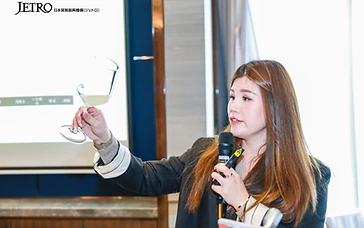
While an overseas winery principal or head winemaker brings authenticity and terroir expertise, having fluent Mandarin-speaking commercial staff is mandatory. Importers and local distributors need immediate answers regarding minimum order quantities (MOQ), container consolidation, bottling timelines, and customs certifications.
- The Winemaker / Principal: Communicates passion, family legacy, viticultural practices, and sensory complexity.
- The Local Commercial Specialist: Navigates import logistics, explains Incoterms (CIF Shanghai, Shenzhen, Guangzhou vs. FOB European/overseas port), verifies buyer distributor licenses, and fields commercial questions in Chinese.
Integrating the WeChat Ecosystem for Lead Conversion
Western paper business cards remain customary, but in modern Chinese commerce, business transactions happen within WeChat. Handing an executive a paper card without exchanging digital profiles often leads to cold trails post-expo.
- Establish an official WeChat Corporate Account or brand channel before arriving in China.
- Ensure every staff member has a dedicated, professional WeChat QR code ready on smartphone screens.
- Create segregated contact groups (tags) within WeChat immediately upon scanning a prospect: Tag by business category (e.g., Tier-1 Importer - South China, Regional Retailer - Chengdu, On-Trade Sommelier - Shanghai).
- Photograph the buyer's physical business card and attach it to their WeChat profile alongside notes on specific SKUs tasted and target volume requirements.
Producers seeking targeted connections can explore specialized Business Matching services before the exhibition opens to lock confirmed distributor meetings into their daily stand schedules.
Budget Allocation and Measurable ROI
Allocating capital across an exhibition balance sheet requires strategic discipline. Overspending on physical construction while underspending on targeted outreach, refrigeration, and localization reduces commercial performance.
Sample Budget Allocation for a 18 sqm Exhibition Presence:
[====================] Booth Space & Venue Service Fees (40%)
[=============       ] Freight, Bonded Logistics & Customs Clearing (25%)
[==========          ] Custom Fit-Out, Graphics & Tech Rentals (20%)
[=====               ] Bilingual Staffing, Sommelier & Translation (10%)
[===                 ] Marketing Collateral, Social Media & Incidentals (5%)
To contextualize overall market economics and assess supply-chain trends before committing your marketing budget, cross-reference data through Market Insights to identify which wine and spirit categories are expanding across regional Chinese distribution hubs.
Conclusion: Executing Your Export Strategy
Preparing your booth for Interwine is an integrated business development campaign. From confirming regulatory compliances and managing climate-controlled logistics to presenting clear, localized commercial terms and closing conversations inside dedicated meeting lounges, meticulous preparation separates active market expansion from wasted marketing spend.
By taking control of booth architecture, bilingual operational staffing, and prompt digital follow-ups, your brand establishes an enduring foothold in one of the world's most dynamic wine and spirits markets. Begin your booth planning early, align with qualified logistics specialists, and reserve your space to Become an Exhibitor to showcase your portfolio to premier importers and trade buyers across China.
Sources
- Interwine China Official Portal: http://www.interwine.org/en
- Interwine China Exhibitor Technical Manual: https://china2ceec.org/wp-content/uploads/2026/02/The-33rd-Interwine-Exhibitor-Manual.pdf
- SevenFifty Daily Trade Show Winery Analysis (2023): https://daily.sevenfifty.com/wine-trade-show-guide-wineries
- SpeedPro Trade Show Booth Architecture & Visual Design Framework (2025): https://www.speedpro.com/blog/trade-show-booth-design-guide/
- Lead Liaison Event Preparation and Lead Capture Research: https://www.leadliaison.com/revenue-generation-blog/how-to-prepare-for-a-successful-trade-show
Key Takeaways
- —Begin backward-planning 6 to 8 months prior to the fair to secure space, handle GACC compliance, and coordinate sample shipping.
- —Design a functional three-zone booth: frontline tasting bar, eye-level product display shelving, and a private negotiation area for contract talks.
- —Provide bilingual Mandarin-English collateral with clear FOB/CIF pricing, packaging parameters, and corporate WeChat QR codes for seamless capture.
- —Rent active on-site refrigeration units to maintain white, sparkling, and red wines at appropriate serving temperatures inside the hall.
- —Pair visiting winemakers or estate principals with fluent bilingual commercial staff capable of answering technical import and pricing questions.
Frequently Asked Questions
What is the difference between a shell scheme and raw space at Interwine?
A standard shell scheme is a turnkey modular booth provided by the organizer, including basic walls, carpeting, lighting, fascia branding, and standard shelving, making it cost-effective for single estates. Raw space provides empty floor square footage allowing wineries, consortiums, or national pavilions to construct bespoke architectural designs with private lounges, tailored lighting, and custom display pods.
How should international wineries ship tasting samples to Interwine China?
Producers should use the official freight forwarders appointed by the exhibition organizer 4 to 5 months before the show. This ensures full compliance with General Administration of Customs of China (GACC) import registration rules, accurate Certificate of Origin filings, and bonded transit straight to the venue without customs confiscation.
How many sample bottles should an exhibitor prepare per SKU?
A standard benchmark is 3 to 4 bottles per SKU for each exhibition day, assuming controlled 30 ml to 45 ml tasting pours. For a 3-day exhibition with 4 core labels, plan for approximately 36 to 48 bottles total, plus a buffer for masterclasses, VIP private buyer meetings, or media sessions.
Why is WeChat integration mandatory for booth operations in China?
WeChat is the dominant commercial communication medium in China. While paper business cards are still exchanged ceremonially, immediate follow-up, digital spec sheets, FOB price sharing, and post-fair appointments occur inside WeChat. Booth graphics, wine spec cards, and staff badges should all feature direct-scan WeChat QR codes.
Do I need bilingual commercial staff at my booth?
Yes. While international winemakers and global export directors provide brand prestige and winemaking authenticity, local importers and regional sub-distributors require quick commercial negotiations regarding MOQs, regional exclusivity, and import documentation in Mandarin. Having bilingual commercial personnel ensures inquiries are promptly qualified and captured.