How to Choose the Right Wine Exhibition in China
Choosing the right wine exhibition in China requires aligning your commercial model with regional trade hubs, buyer profiles, and regulatory compliance. Discover the strategic criteria global producers need to evaluate.
To choose the right wine exhibition in China, international wineries must look beyond headline square footage and evaluate three core commercial variables: regional trade corridor alignment, verified buyer demographics, and active business-matching infrastructure. Because mainland China functions not as a single homogeneous territory but as a collection of distinct regional markets with varied regulatory, gastronomic, and distribution ecosystems, entering the market through the wrong trade fair results in stranded inventory, misaligned importer discussions, and wasted capital. Aligning your production scale and target price points with an exhibition rooted in China’s highest-consumption logistics hubs—such as the Guangdong-Hong Kong-Macao Greater Bay Area—is the most decisive factor for generating measurable commercial distribution.
1. Evaluate Regional Consumption Corridors and Commercial Geography
A critical mistake made by international brands entering China is treating national trade fairs interchangeably regardless of host city geography. As outlined in export trade analyses by BestWineImporters (2024), foreign wineries must prioritize dynamic economic provinces such as Guangdong, Zhejiang, and Hainan. These regions combine high purchasing power, well-developed import infrastructure, and mature consumption habits.
Guangdong Province alone accounts for a population exceeding 110 million and serves as mainland China's premier commercial gateway for bottled wine, supported by direct integration with Hong Kong and Macau according to the China Wine Competition (2024). International wineries evaluating trade fairs should match their sales objectives against the market profile of the exhibition's geographic home:
- Southern China (Guangzhou, Shenzhen): The epicenter for wine trading, private corporate procurement, high-volume bonded logistics, and specialized cross-border distribution. Exhibitions in Guangzhou, such as Interwine, connect directly with first-tier importers, high-net-worth corporate buyers, and South China distribution networks across Tier 2 and Tier 3 cities.
- Eastern China (Shanghai, Hangzhou): A trendsetting market focused heavily on Western-style on-premise dining, specialty bistros, natural or low-intervention wines, and boutique distributor portfolios.
- Northern and Inland Hubs (Beijing, Chengdu): Essential for national state-owned enterprise (SOE) procurement, traditional banquet-driven commercial wholesale, and expanding consumer markets across western inland provinces.
Producers seeking steady container-load replenishment and deep multi-tiered provincial distribution gain the highest leverage by targeting exhibitions situated in Southern China's southern commercial logistics corridors.
2. Audit Buyer Composition: Importers vs. General Public
When calculating the return on investment (ROI) for a Chinese trade exhibition, wineries must determine whether the event delivers transactional B2B gatekeepers or general consumer foot traffic. Many general lifestyle food festivals promote high total attendance numbers, but consumer attendees cannot legally clear customs, sponsor CIQ declarations, or place commercial container orders.
According to market research published in the EU SME Centre's China Wine Market Report, partnering with qualified local importers who hold valid import licenses and customs clearance capabilities is the single make-or-break hurdle for foreign wine exporters. Therefore, an exhibition must curate verified professional buyers across several core profiles:
- First-Tier Licensed Importers: Entities holding active import permits and China Customs registration, capable of taking title to shipments directly from bonded warehouses.
- Regional Sub-Distributors: Wholesalers operating across provincial Tier 2 and Tier 3 cities who purchase imported portfolios to supply local hospitality, wedding banquet channels, and corporate gift networks.
- On-Trade and Off-Trade Key Accounts: Food and beverage directors from national hospitality groups, retail chains, and high-end specialized wine retail boutiques.
- Private Label and Custom Packaging Buyers: Commercial distributors seeking volume bulk or bespoke bottling contracts suited for domestic commercial programs.
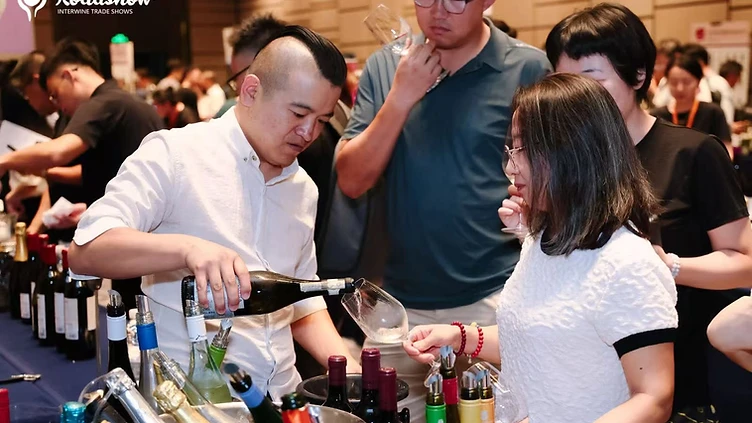
Before confirming participation, request the fair organizer's historical attendee audit to verify the percentage of registered trade visitors versus non-trade visitors. Dedicated trade exhibitions such as Interwine in Guangzhou curate over 50,000 professional trade visitors and VIP buyer groups per edition, screening attendees to protect commercial negotiation quality for exhibiting producers.
3. Review Organizer Support: Business Matching and Market Compliance
Securing a trade stand is only one part of trade show execution. Navigating China’s regulatory landscape requires institutional support from the exhibition organizer. Exporters must comply with General Administration of Customs of China (GACC) Decree 248 and 249 facility registrations, mandatory Chinese back-labeling guidelines, and sanitary testing documentation.
A top-tier wine exhibition organizer should offer proactive infrastructure that connects foreign producers directly with verified buyers before, during, and after the exhibition dates. When vetting an event, assess whether the organizers provide:
- Curated Business Matching Services: Does the fair facilitate prescheduled 1-on-1 procurement meetings between overseas producers and licensed regional importers? Review how Business Matching is structured to ensure you meet buyers actively seeking your specific grape varieties, origin appellation, and price tier.
- Logistics, Freight, and Regulatory Assistance: Does the organizer partner with bonded logistics freight forwarders to handle temporary customs importation for booth samples? Reviewing resources like Arrival and Transportation can prevent costly port delays.
- Masterclasses and Brand Showcases: Can your winery host guided tastings attended by certified sommeliers, media, and key regional distributors through dedicated Interwine Events? In China's market, educational masterclasses remain one of the most effective ways to establish regional provenance, storytelling, and premium brand value.
- Administrative and Travel Facilitation: Organizers operating at an international standard must issue legitimate visa documentation to ensure foreign winery principals can enter mainland China without delays. Dedicated support for Invitation Letter and Visa Support is an essential organizer service.
4. Understand Market Timing and Calendar Cycles
China’s beverage distribution operates on a seasonal commercial schedule dictated by major domestic holiday buying surges, notably the Mid-Autumn Festival and Chinese New Year (Spring Festival). Importers and regional wholesalers typically assemble their seasonal promotional inventory several months prior to these holidays.
Exhibiting during late spring or mid-to-late autumn allows wineries to intersect with the primary sourcing windows when distributors negotiate allocations and replenish warehouse stock. Attending off-cycle exhibitions risks meeting buyers who have already committed their procurement capital for the fiscal year.
Furthermore, consider whether the trade fair operates as an isolated annual event or provides an ongoing promotional platform. Wineries exploring market expansion can consult Market Insights to monitor shifting tariff structures, consumer trends, and provincial demand patterns to align exhibition dates with national import cycles.
5. Benchmark Costs Against Total Commercial ROI
Exhibiting in China entails booth rental, sample shipping, bilingual marketing materials, translator hire, and on-the-ground travel. International wineries should evaluate exhibitions by calculating cost per qualified commercial lead rather than standard cost-per-square-meter floor space.
To maximize stand productivity:
- Prepare WeChat Infrastructure: Ensure your commercial staff are equipped with WeChat accounts and digital tasting sheets in Simplified Chinese. EU SME Centre market entry guidelines note that WeChat is China's universal B2B communication tool for rapid file exchange, label review, and ongoing deal negotiation.
- Present FOB and CIF Pricing Matrices: Have transparent pricing sheets ready with clear Incoterms for main Chinese ports (Guangzhou, Shenzhen, Shanghai, Ningbo, Qingdao), including minimum order quantities (MOQ) and pallet configurations.
- Vet Your Direct Path to Market: Wineries that take a strategic, well-resourced approach to trade fairs build lasting commercial footprints in China. If you are ready to position your portfolio directly in front of vetted importers, distributors, and wine buyers across China's highest-consumption regions, learn more and Become an Exhibitor at Interwine.
Sources
- BestWineImporters: A Wine Exporter’s Guide to Finding Buyers in China and Working with Chinese Wine Importers (2024)
- EU SME Centre: China's Wine Market: A Guide for Exporters
- EU SME Centre: China’s Wine Market(s) Sector Report
- China Wine Competition: Strategic Alliance with Interwine China (2024)
Key Takeaways
- —Select exhibitions aligned with high-consumption regional economic zones, especially the Guangdong-Hong Kong-Macao Greater Bay Area.
- —Prioritize strictly B2B trade shows that screen for licensed importers and active provincial wholesalers over consumer-heavy lifestyle fairs.
- —Ensure the exhibition organizer provides professional business matching, masterclass opportunities, and formal visa/logistics support.
- —Align fair timing with China's major annual purchasing windows leading up to Mid-Autumn Festival and Chinese New Year.
- —Equip your commercial exhibition team with WeChat B2B assets and localized CIF/FOB pricing sheets to close qualified leads.
Frequently Asked Questions
What is the most effective region in China to exhibit imported wines?
Southern China, particularly Guangdong Province and the Greater Bay Area, is widely recognized as mainland China's premier commercial hub for imported wines. It offers an established distribution ecosystem, deep private wealth, close proximity to Hong Kong and Macau, and thousands of active first-tier importers.
How can wineries distinguish between professional B2B wine fairs and consumer festivals in China?
Review the exhibition organizer's attendee verification process and badge policies. Professional B2B trade fairs require business credentials from visitors (such as liquor distribution licenses, business cards, and company registrations) and structure dedicated trade-only hours or days, rather than selling public entry tickets for open consumer drinking.
What regulatory preparation is required before shipping sample wines to an exhibition in China?
Wineries must register their production facility under GACC Decree 248, work with a licensed Chinese customs broker or the exhibition's designated logistics partner for temporary customs entry, and supply commercial invoices, certificates of origin, and sanitary certificates.
Why is business matching important when choosing a Chinese wine trade show?
China is a vast market where language barriers and nuanced business practices can slow sales cycles. Pre-arranged business-matching programs organized by fairs like Interwine pair international wineries directly with vetted buyers seeking their specific varietals and price tiers, maximizing your time on-site.
When is the best time of year to exhibit wine in China?
The most commercially active windows are late spring and mid-to-late autumn. These periods directly precede the major commercial replenishment cycles for China's peak annual gift-giving and banquet seasons: the Mid-Autumn Festival and Chinese New Year.