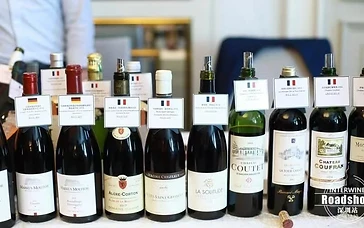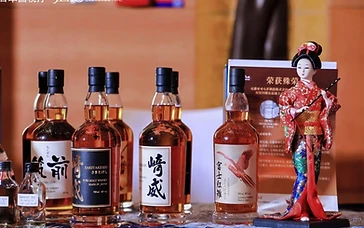
Interwine Arrival Day Checklist
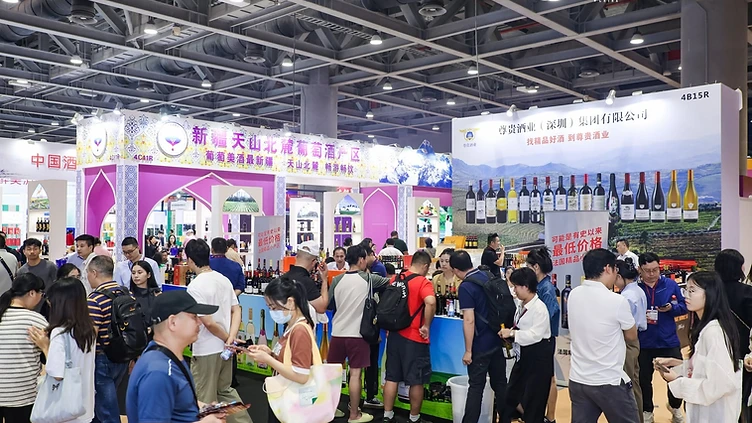
A comprehensive operational arrival day checklist for international wine buyers, importers, and distributors landing in Guangzhou for Interwine China.
For international wine and spirits buyers, commercial importers, and distributors touching down in Guangzhou, Day Zero dictates commercial return on investment. Navigating China’s premier alcoholic beverage exhibition requires precision before setting foot inside the Canton Fair Complex (China Import and Export Fair Complex). With Guangdong province accounting for over 60% of mainland China’s imported wine market according to Wikipedia's Interwine Documentation (2025), the region represents a high-stakes, hyper-concentrated commercial hub. Moving seamlessly from Guangzhou Baiyun International Airport (CAN) to verified pre-registered trade sessions demands an operational mindset. This guide outlines the essential Interwine arrival day checklist to optimize customs clearance, telecommunications, transit logistics, and initial buyer-supplier alignment.
Touchdown and Port of Entry Protocol: Customs and Declarations
Landing at Guangzhou Baiyun International Airport involves specific regulatory procedures for beverage industry delegates carrying sample portfolios or promotional literature. Commercial visitors entering mainland China must comply with General Administration of Customs of China (GACC) import mandates.
Sample Bottle Clearances and Luggage Limits
International buyers and brand ambassadors carrying commercial tasting samples in checked luggage should note that accompanied personal baggage limits differ significantly from formal commercial freight entries. To prevent impounding at airport customs:
- Maintain commercial invoices marked "Samples of No Commercial Value – Not for Resale" stating alcohol by volume (ABV), vintage, and estimated production value.
- Ensure packaging complies with civil aviation regulations for pressurized, liquids-in-glass transport.
- If bringing exhibition stock outside ordinary traveler duty-free personal limits, ensure prior coordination through your freight forwarder or confirm customs bond documentation arranged in your Invitation Letter and Visa Support documentation.
Digital Entry Registration and Health Formalities
Foreign passport holders must present a valid Chinese business (M) or tourist/trade visa unless qualifying under current bilateral visa-exemption programs or the 144-hour / 240-hour visa-free transit policies enacted by the National Immigration Administration. Have printed copies of your passport identification page, accommodation confirmation, and registration credential ready at immigration checkpoints.
Digital Infrastructure and Connectivity Activation
Conducting business in Guangzhou without fully configured local digital connectivity can halt commercial discussions. International roaming often fails to support local interactive mini-programs vital for navigating the exhibition.
Mobile SIM and Enterprise Roaming
Acquire an eSIM with international data roaming prior to departure, or purchase a mainland Chinese SIM card immediately upon exiting arrivals at Baiyun Airport Terminal 1 or Terminal 2. A domestic cellular connection facilitates direct cellular calling and verification SMS codes necessary for local enterprise platforms.
Payment Systems and Essential Apps
Cash and foreign credit cards are rarely accepted for micro-transactions or ground transportation. Before leaving the airport:
- WeChat & Alipay Setup: Link an international Visa or Mastercard credit card directly to your WeChat Pay and Alipay digital wallets. Complete real-name identity verification using your passport number.
- WeChat Enterprise Network: In the Chinese beverage trade, WeChat is the primary channel for B2B procurement communication, contract sharing, and real-time negotiations. Ensure your digital business card and company bio are populated in English and simplified Chinese.
- Map and Translation Tools: Download bilingual mapping applications (such as Amap or Apple Maps) and voice-to-text translation software calibrated for commercial wine terminology (e.g., residual sugar, appellation, ex-cellar pricing, and incoterms).
Ground Transportation to Haizhu District and Pazhou Hub
Interwine China is traditionally hosted within the Canton Fair Complex (China Import and Export Fair Pazhou Complex) located along Yuejiang Middle Road in Guangzhou's Haizhu District, as noted in the TradeFairDates Interwine Guangzhou Overview. Strategic routing saves valuable hours during high-traffic trade windows.
Guangzhou Metro System
Guangzhou Metro Line 3 connects Baiyun Airport (North and South stations) southward. Commuters transfer at Tiyu Xilu or Kecun toward Line 8, which stops directly at Pazhou Station and Xingangdong Station adjacent to the exhibition pavilions. Transit requires approximately 60 to 75 minutes and operates predictably regardless of highway congestion.
Official Taxis and Ride-Hailing
Avoid unlicensed drivers solicitations inside terminal arrival halls. Proceed strictly to the marked ground taxi ranks outside the terminals. Present the hotel destination written in simplified Chinese characters alongside the full address. Alternatively, hail verified commercial cars through the Didi mini-program within Alipay, selecting English-language operational interfaces.
For an exhaustive breakdown of multi-modal routes, shuttle bus schedules, and direct rail transfers from Hong Kong or Shenzhen, review the Arrival and Transportation guide.
Hotel Check-in and Workspace Staging
Guangdong's subtropical climate and heavy trade fair attendance necessitate early hotel check-in procedures and immediate environment verification.
Registration at Pazhou Area Accommodations
Under mainland administrative guidelines, all hotels must register foreign guests with the local Public Security Bureau (PSB) via the hotel terminal upon check-in. Keep original passports accessible. Selecting accommodations near the Pazhou exhibition complex significantly minimizes daily transit fatigue. Consult the Hotel Accommodation directory to verify pre-booked corporate blocks.
Sample Inspection and Palate Recovery
If you arranged advance delivery of exhibition materials or sample cases to your hotel concierge:
- Inspect cartons immediately for temperature abuse, seal breakage, or ullage anomalies.
- Stand upright any red wines destined for private VIP tastings to settle transport sediment.
- Verify domestic AC voltage (220V, 50Hz) and confirm adapter compatibility for mobile POS terminals, laptops, and mobile battery packs before turning in for the evening.
Evening Pre-Show Preparation and Strategic Outreach
The evening before the trade floor opens provides an ideal operational window to finalize negotiations and map out trade traffic.
Reviewing the Exhibitor Layout and Category Targets
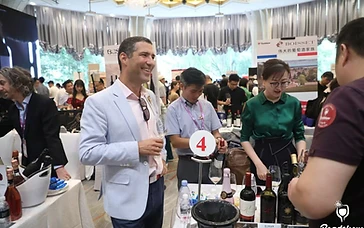
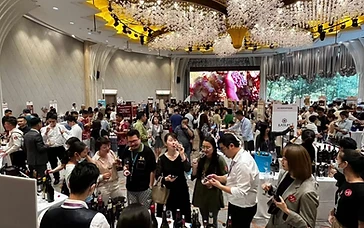
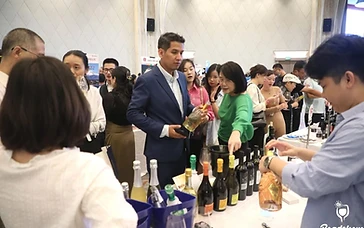
Interwine covers upwards of 50,000 square meters of exhibition space, drawing hundreds of overseas producers and domestic merchant brands according to Beverage Trade Network (2024). Attempting to walk the entire hall without targeting specific commercial categories risks operational failure.
- Log in to your digital badge portal to reconfirm pre-arranged bilateral negotiations.
- Audit the master Exhibitor Directory to pinpoint national pavilions (e.g., Spain, France, Chile, Italy) and boutique single-estate producers.
- Secure your commercial passes and schedule personalized discovery meetings through Book Your Visit to avoid walk-in registration delays.
Cross-Checking Ex-Works (EXW) and Delivered Duty Paid (DDP) Quotation Models
Review your purchasing capacity parameters prior to meeting winery principals. When discussing volumes with domestic sub-distributors or overseas wineries, understand clearly whether price indications are structured as:
- FOB (Free on Board): Port of origin loading.
- CIF (Cost, Insurance, and Freight): Chinese main ports (typically Guangzhou, Shenzhen, or Shanghai).
- DDP (Delivered Duty Paid): Factoring in current Chinese import consumption taxes, standard VAT, and applicable customs tariffs for the country of origin.
Establishing Day-One Meeting Checkpoints
Cross-reference your schedule against the Business Matching schedule. Pre-book meeting times directly with category managers, export liaisons, and certified sommeliers. Ensure your calendar reserves buffer intervals between masterclasses, regional forums, and private commercial sampling rounds.
Summary: Mastering Day Zero for Fair Success
Approaching Interwine with an organized arrival checklist converts trade travel into immediate commercial traction. By clearing airport formalities, securing functional telecommunications, mastering transit to Haizhu District, and organizing commercial targets before day one, buyers position themselves to execute procurement decisions efficiently across mainland China's dynamic wine market.
Sources
- Wikipedia: Interwine Background & Regional Market Distribution
- Beverage Trade Network: Interwine China Partnership & Exhibition Metrics (2024)
- TradeFairDates: Interwine Guangzhou Trade Fair Dates and Canton Fair Complex Venue Data
Key Takeaways
- —Execute customs clearances by separating personal effects from sample commercial bottles accompanied by compliant invoices.
- —Activate localized connectivity instantly by setting up WeChat Pay and Alipay with linked credit cards at Baiyun Airport.
- —Utilize direct transit options like Guangzhou Metro Line 3 to Line 8 or official metered taxis to reach the Canton Fair Complex.
- —Inspect advance sample shipments immediately upon hotel check-in to identify transit shock or temperature defects.
- —Pre-book bilateral buyer meetings via official matchmaking channels before entering the exhibition grounds.
Frequently Asked Questions
What is the best way to travel from Guangzhou Baiyun Airport to the Interwine venue?
The most reliable route is Guangzhou Metro Line 3 connecting to Line 8 at Kecun Station, arriving directly at Xingangdong or Pazhou Station at the Canton Fair Complex in approximately 65 minutes. Alternatively, official metered taxis from the airport ground ranks take 50 to 80 minutes depending on highway traffic.
Can I bring commercial wine samples into China in my personal luggage?
Travelers may carry limited alcohol duty-free under standard personal luggage allowances. Samples intended for exhibition display or commercial B2B tastings that exceed personal exemptions must be declared to customs with non-commercial sample invoices stating alcohol by volume, vintage, and declared value.
How do international buyers pay for local transport and daily expenses in Guangzhou?
Cash and foreign credit cards are rarely processed at local retail counters or taxis. International visitors should download WeChat and Alipay prior to departure, linking their foreign Visa or Mastercard to use dynamic QR code payments across all transport networks, restaurants, and convenience stores.
Where does Interwine take place in Guangzhou?
Interwine China is hosted at the Canton Fair Complex (China Import and Export Fair Complex) situated in the Pazhou commercial district, Haizhu District, Guangzhou.
Why is Guangdong Province central to China's wine import sector?
Guangdong Province accounts for over 60% of mainland China's imported wine consumption and distribution network, anchored by proximity to Hong Kong, Macau, and a massive consumer base across the Greater Bay Area.