How to Visit Interwine
A comprehensive commercial guide on how to visit Interwine, covering visitor registration, Chinese visa procurement, travel logistics to Guangzhou and Chengdu, and targeted sourcing strategies for wine and spirits trade professionals.
To visit Interwine effectively, trade buyers and international wine professionals must plan around two primary recurring sessions in Guangzhou (Spring and Autumn) alongside specialized regional events such as the Chengdu Winery Show. Professional visitors need to complete accredited trade pre-registration, obtain an official invitation letter for Chinese business visa processing, arrange transit to major venues like the Canton Fair Complex or Poly World Trade Center Expo, and pre-book B2B sourcing sessions with overseas producers and regional national pavilions.
Understanding the Commercial Landscape: Why Interwine Matters for Sourcing
Navigating China's commercial beverage market requires direct regional alignment. According to market data highlighted by Beverage Trade Network in 2024, the Guangdong region encompasses a commercial base of roughly 110 million people, providing unmatched logistics access to Mainland China, Hong Kong, and Macau. Furthermore, industry records documented via Wikipedia note that over 60% of Mainland China's imported wine volume enters or distributes through Guangdong's commercial networks, making Guangzhou the operational epicenter of the mainland trade.
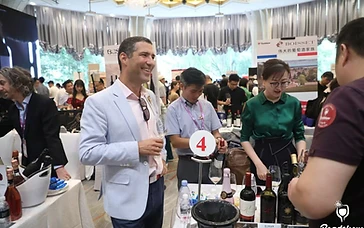
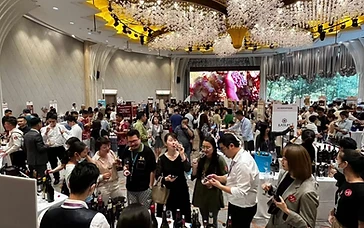
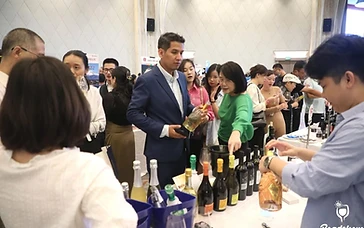
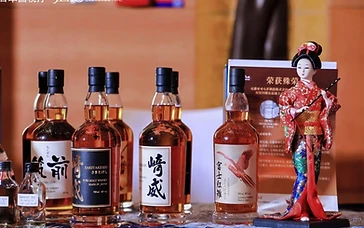
Interwine functions as mainland China's longest-running professional B2B wine and spirits exhibition, established for over two decades. The platform convenes between 500 and 600+ international exhibitors from over 30 to 50 producing countries across net exhibition spaces reaching up to 30,000 to 50,000 square meters. For international buyers, regional distributors, sommeliers, and institutional HORECA sourcing teams, attending the fair offers unmediated access to national pavilions, boutique estates, and brand owners seeking Chinese distribution.
To begin structuring your visit and scheduling meetings, trade delegates should explore the Book Your Visit portal to verify attendance categories, obtain visitor badges, and access the matchmaking catalog.
Visitor Registration and Pre-Fair Preparation
Unlike general consumer events, Interwine operates as a professional B2B trade show. Walk-in badge counters can experience significant registration queues during morning opening hours, meaning advance verification is essential for smooth entry.
Step-by-Step Accreditation and Badge Procurement
- Submit Trade Credentials: Complete your online registration on the official platform at least 4 to 8 weeks before the event. You will need to upload professional documentation such as your company business license, trade business card, or proof of commercial employment in food, beverage, hospitality, or logistics sectors.
- Specify Commercial Sourcing Categories: Define the categories your business is seeking to procure—such as Old World estate wines, New World bulk shipments, craft spirits, single malt whiskies, or high-end baijiu.
- Receive Electronic Confirmation: Once your trade credentials are vetted by the organizing committee (Ketong International Exhibition), a digital badge or voucher code with a unique registration QR code is generated for on-site scanning.
Buyers planning their trip can review the curated Exhibitor Directory ahead of time to identify boutique winemakers, national promotional boards, and regional distributors whose portfolios fit their procurement requirements.
Visa Processing, Invitation Letters, and Entry Compliance
For foreign passport holders, entering the People's Republic of China for business purposes requires strict administrative adherence, even with unilateral visa-waiver trial policies expanding for select European and Asian nations.
According to official documentation in the Interwine Exhibitor and Visitor Manuals, the fair organizers provide an official stamped Chinese Business Invitation Letter necessary for M-class (Commercial/Trade) visa applications. Processing this document requires submitting a legible passport information page, official company registration details, and designated travel dates.
Visitors requiring formal visa documentation should navigate through Invitation Letter and Visa Support as early as 6 to 10 weeks prior to the show opening date. Submitting early mitigates peak consular backlogs, allows sufficient buffer for diplomatic appointments, and ensures smooth airline check-ins.
Venue Geography and Transit Logistics
The flagship sessions of Interwine take place in the Pazhou commercial district of Guangzhou, primarily utilizing either the Canton Fair Complex (Area B) or the adjacent Poly World Trade Expo Center (PWTC Expo), with secondary regional events taking place in central China, such as the Chengdu Winery Show.
| Venue / Location | Primary Show Focus | Typical Metro / Transport Link | Key Proximity Nodes | | :--- | :--- | :--- | :--- | | Canton Fair Complex (Pazhou, Guangzhou) | Flagship Spring & Autumn Expos (May & Nov) | Guangzhou Metro Line 8 (Pazhou Station, Exit A/B) | 45 min from Guangzhou Baiyun Airport (CAN); 25 min from Guangzhou East Railway | | Poly World Trade Expo Center (PWTC, Guangzhou) | Specialized Editions & Spirits Showcases | Guangzhou Metro Line 8 (Pazhou Station, Exit C/D direct basement link) | Direct connection to Poly World Trade hotels and food courts | | Centre for China-Chengdu Shows | Western China Regional Masterclasses & Roadshows | Chengdu Metro system / High-Speed Rail connections | Access via Chengdu Shuangliu (CTU) or Tianfu (TFU) Airports |
For international delegates landing at Guangzhou Baiyun International Airport (CAN), the venue can be reached within approximately 45–60 minutes by taxi or rideshare (using platforms like DiDi) or via Metro Line 3 connecting to Line 8 at Kecun Station. For comprehensive local maps and ground transfer guides, consult Arrival and Transportation.
Structuring an Efficient Sourcing Itinerary
Walking a 30,000+ square-meter hall without a planned schedule leads to operational fatigue and missed commercial opportunities. Experienced trade buyers allocate their floor time across three core operational activities:
1. Targeted Exhibition Hall Tours (Hours 10:00 – 13:00)
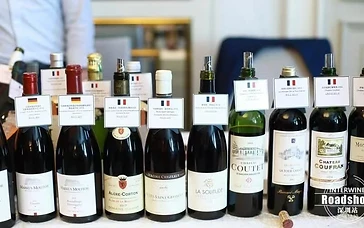
Dedicate morning hours to visiting primary target stands. As indicated by Best Wine Importers in their trade analysis, structuring 10 to 20 pre-booked meetings per event ensures balanced engagement across your supplier targets without causing sensory burnout. Target collective pavilions—such as French, Spanish, Italian, Chilean, or South African delegations—where regional export managers can review FOB pricing tiers and container-load minimum order quantities (MOQs).
2. Masterclasses, Blind Tastings, and Category Summits (Hours 13:30 – 15:30)
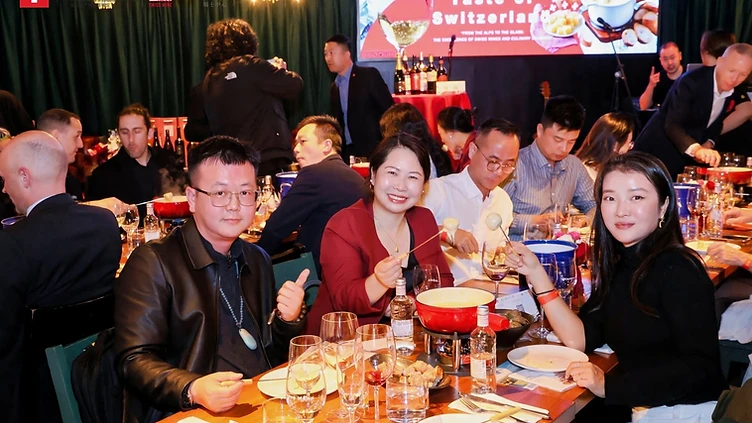
Interwine hosts dedicated educational masterclasses led by MWs, certified sommeliers, and trade ambassadors. These events examine emerging regional varietals, organic viticulture, and regional market trends. To secure a seat in high-demand masterclasses or category workshops, review the schedule under Interwine Events.
3. B2B Commercial Matchmaking and Custom Clearances (Hours 15:30 – 17:30)
Use the late afternoon to advance commercial discussions. Interwine features targeted 1-on-1 supplier-buyer meetings where you can review lab analyses, customs documentation requirements, Chinese back-label compliance, and bonded warehouse clearance pathways. Trade delegates can reserve curated matchmaking desks via the Business Matching desk.
Trade Visitor Best Practices and Strategic Preparation
To ensure your visit delivers concrete commercial return, observe the following trade protocols:
- Digital Payments & Communications: Western payment infrastructure (e.g., standard credit cards) is rarely accepted for local transport or retail dining. Download and verify Alipay or WeChat Pay linked to an international credit card before arrival. Ensure roaming data or an authorized eSIM is active to navigate local applications.
- Bilingual Collateral: While international pavilion managers speak English, regional brand ambassadors, local agents, and hall security teams primarily speak Mandarin. Carry physical business cards printed with English on one side and simplified Chinese characters on the reverse.
- Sample Handling and Commercial Discussions: Inquire directly whether offered samples reflect EXW (Ex-Works), FOB (Free on Board), or CIF (Cost, Insurance, and Freight) pricing into primary mainland ports such as Guangzhou, Shenzhen, or Shanghai. Validate whether the exhibitor maintains bonded stock already stored in mainland free trade zones or if product delivery requires standard container lead times.
Planning your visit with structured commercial intent ensures immediate ROI, clear market insights, and sustainable distribution partnerships across the world's most dynamic alcoholic beverage market.
Sources
- Beverage Trade Network (2024): Strategic Partnership & China Wine Market Dynamics (https://beveragetradenetwork.com/en/events/wine-77/china-wine-competition-partners-with-interwine-china-1727.htm)
- Best Wine Importers (2026): Interwine China Trade Fair Sourcing & Preparation Profile (https://www.bestwineimporters.com/resources/wine-trade-fairs/interwine-china/)
- Ketong International Exhibition (2024): The 33rd Interwine Official Exhibitor Manual & Visa Guidance (https://china2ceec.org/wp-content/uploads/2026/02/The-33rd-Interwine-Exhibitor-Manual.pdf)
- Wikipedia: Interwine Exhibition History, Market Reach, and Regional Distribution (https://en.wikipedia.org/wiki/Interwine)
- Interwine China Official Portal: Session Logistics, Operating Hours, and Buyer Registration (http://www.interwine.org/en/)
Key Takeaways
- —Pre-register online 4 to 8 weeks ahead to skip on-site registration lines and access matchmaking catalogs.
- —Obtain an official Chinese Business Invitation Letter via Interwine to support your M-class business visa application.
- —Guangdong serves as China's primary wine import hub, accounting for over 60% of imported wine distribution nationwide according to Wikipedia records.
- —Flagship sessions occur biannually at Pazhou's Canton Fair Complex and Poly World Trade Expo Center in Guangzhou, with direct access via Metro Line 8.
- —Plan for 10 to 20 structured supplier meetings, balancing national pavilion exploration, educational masterclasses, and B2B matchmaking.
- —Prepare digital payment infrastructure (Alipay/WeChat Pay) and bilingual business cards for efficient trade interactions in China.
Frequently Asked Questions
Who is eligible to visit Interwine as a professional trade buyer?
Interwine is dedicated exclusively to alcoholic beverage trade professionals, including licensed importers, distributors, wholesalers, retail chain procurement managers, sommeliers, e-commerce platforms, duty-free operators, and hospitality food and beverage directors. General public admissions are restricted to maintain professional commercial networking.
How do I secure an official invitation letter for a Chinese visa?
Once you complete trade visitor registration, you can request an official stamped invitation letter from the organizers, Ketong International Exhibition. You will need to provide your passport details, company business registration, and projected travel dates to facilitate your Chinese M-class business visa application.
Where are the primary Interwine exhibitions located?
The flagship Interwine shows take place in Guangzhou at the Canton Fair Complex (Area B) or the Poly World Trade Expo Center (PWTC Expo) in the Pazhou exhibition area. Secondary regional exhibitions and winery roadshows also take place in cities such as Chengdu.
How do I reach the exhibition halls from Guangzhou Baiyun Airport?
You can reach the Pazhou venues via Guangzhou Metro Line 3 transferring to Line 8 at Kecun Station, exiting directly at Pazhou Station. Alternatively, official airport taxis or rideshare apps take approximately 45 to 60 minutes depending on highway traffic.
Is English widely spoken by exhibitors across the fairgrounds?
Yes, international pavilions and overseas estate managers communicate in English, French, Spanish, or Italian. However, for domestic distributors and regional agents, carrying bilingual business cards and using translation apps on WeChat or translation devices is highly recommended.