Taste of Switzerland: An Evening of Swiss Wines & Fondue
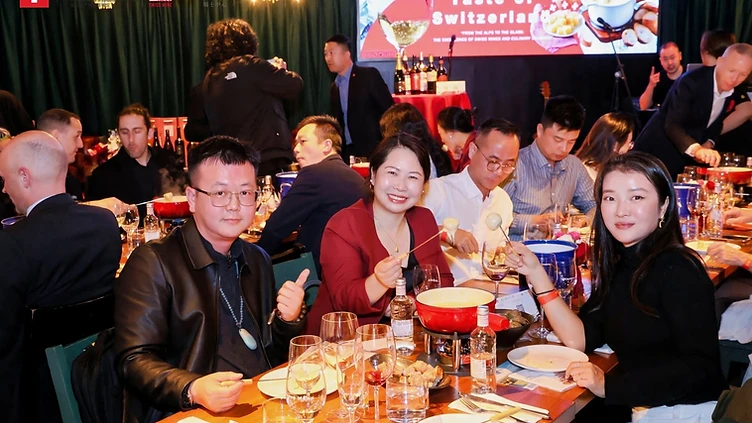
An analytical overview of the 'Taste of Switzerland' gala dinner, exploring the strategic business potential of Swiss viticulture within international trade and the growing demand for alpine wine profiles in premium hospitality markets.
The 'Taste of Switzerland' gala dinner served as a high-level convergence of Swiss winemaking excellence and professional B2B networking, offering a definitive look at the commercial viability of Swiss wines in the global marketplace. By anchoring the event in the authentic tradition of Swiss fondue, the masterclass provided an immersive case study on how alpine terroir can be effectively communicated to trade buyers, sommeliers, and hospitality procurement leads. For international distributors and retailers looking to diversify their portfolios, the event underscored why Switzerland represents one of the most exciting, yet underserved, frontiers in European wine. The precision of Swiss viticulture, characterized by its extreme elevation, diverse geological compositions, and rigorous quality controls, positions these wines as ideal candidates for the premium, experience-driven segments of the hospitality industry. As global markets pivot toward 'story-driven' wine programs, the Alpine heritage offers a unique competitive advantage that resonates deeply with discerning consumers. The gala provided a tactical roadmap for leveraging this cultural narrative to drive sales and elevate wine lists across competitive regional markets. Historically, Swiss wines have remained a niche category due to limited production volumes and high domestic consumption. However, the current landscape is changing as international buyers begin to recognize the complexity of indigenous varieties like Chasselas, Cornalin, and Humagne Rouge. These grapes, showcased at the 'Taste of Switzerland' gala, demonstrate a distinct ability to age well while maintaining the freshness and acidity that modern consumers demand. The integration of traditional gastronomy with viticultural education proved that the most effective way to sell these wines is through context; by understanding the Alpine origins, buyers can better articulate the value proposition to their end customers. The technical masterclass segment of the evening focused on the structural integrity of these wines. Swiss winemakers have moved beyond mere traditionalism, embracing innovative viticultural techniques that preserve the unique character of their high-altitude vineyards. For industry professionals, this signifies a reliable source of high-quality, terroir-expressive wines that can differentiate a portfolio. The event also highlighted the importance of business-matching and direct engagement between producers and trade partners. By facilitating face-to-face dialogue in an environment that bridges the gap between culinary tradition and modern commerce, Interwine continues to set the standard for sector-specific education. The hospitality professionals in attendance noted that Swiss wines provide a sophisticated alternative to standard European offerings, especially when paired with complex, flavor-forward menus. Looking ahead, the opportunity for growth lies in the education of the distribution chain. The success of the 'Taste of Switzerland' gala reinforces the need for sustained, targeted masterclasses that demystify these labels for the wider market. As Switzerland continues to increase its export footprint, those who secure distribution early stand to gain a significant foothold in a segment characterized by prestige and high consumer loyalty. Understanding the intersection of Swiss wine and high-end gastronomy is not merely an exercise in culinary appreciation; it is a strategic business imperative for any importer or retailer seeking to capture the attention of the modern wine enthusiast. The event served as a microcosm of the wider Interwine mission: to connect high-potential, specialized producers with established market players who possess the insight to market them effectively. For those interested in the future of Alpine wine in the international market, the insights derived from this event offer a clear mandate to prioritize regional specialization over mass-market trends. The precision of production and the story of the Alpine terroir provide a compelling narrative that is currently highly effective in premium retail and fine dining environments. As we look at the trajectory of the wine trade, it is clear that authenticity and terroir-driven differentiation will be the defining features of successful portfolios. Swiss producers are uniquely positioned to meet this demand, provided their commercial partners are equipped with the appropriate market context and product knowledge. The 'Taste of Switzerland' gala provided just that—an environment where the quality of the product was matched by the quality of the industry dialogue. The takeaway for the professional community is clear: Swiss wine is no longer an exotic outlier, but a sophisticated addition to a well-rounded global portfolio. By aligning with these producers, stakeholders can capitalize on a growing appetite for wines that offer both historical depth and contemporary drinkability. The commitment of the Swiss wine industry to sustainability and quality, frequently observed at professional trade events, ensures that these products will remain competitive in the long term. For distributors, the focus must remain on the unique identifiers of the Swiss terroir: the mineral-driven whites and the robust, mountain-influenced reds. As we transition into the next season of global trade, the integration of these products into professional portfolios will be a key indicator of market sophistication. The event concluded with a strong consensus among buyers: there is significant, untapped demand for Alpine profiles, and those who take the lead in importing and promoting these selections will find themselves at the forefront of a burgeoning market trend. Continuous engagement through platforms like Interwine remains essential for navigating the complexities of regional wine trade, ensuring that knowledge remains as central to the business model as the wine itself.
Key Takeaways
- —Swiss wine is increasingly viewed as a premium, terroir-driven alternative in global markets.
- —The marriage of culinary tradition, such as fondue, and wine education provides a superior framework for sales training.
- —Indigenous varieties like Chasselas and Cornalin possess strong potential for differentiation in high-end hospitality.
- —Strategic engagement through masterclasses is the most effective method for driving market awareness and importer interest.
- —The 'Taste of Switzerland' model demonstrates that contextual storytelling is critical for effectively marketing niche European wine regions.
Frequently Asked Questions
What is the primary appeal of Swiss wine for international trade buyers?
Swiss wine offers a compelling blend of high-altitude precision, unique indigenous grape varieties, and a strong sense of place. For international buyers, it provides a sophisticated, terroir-driven narrative that is currently in high demand within the premium hospitality and fine dining sectors, allowing them to differentiate their portfolios from mainstream European offerings.
Why is the pairing of wine and food considered an effective sales strategy?
Pairing wine with authentic culinary experiences like fondue provides context. It transforms a product from a static label into a lifestyle experience, which is easier for sommeliers and retailers to communicate to consumers. It also demonstrates the versatility of the wine, proving its structural integrity when paired with complex, savory, and rich flavors common in modern gastronomy.
How can distributors best approach the Swiss wine market?
Distributors should focus on education and storytelling. Because Swiss wines are a niche category, the buyer's knowledge level is often the greatest barrier to sale. Hosting targeted masterclasses, focusing on regional differences like the Valais or Vaud, and emphasizing the sustainable practices of smaller producers are effective strategies to gain market share.
Are Swiss wines suited for long-term aging?
Yes, many Swiss wines, particularly those produced from varieties like Cornalin or Humagne Rouge, show excellent potential for aging. The high-altitude viticulture results in wines with firm acidity and refined tannins. When properly sourced from reputable producers, these wines offer the complexity and structure that serious collectors and high-end restaurants look for.
What role does Interwine play in supporting the Swiss wine trade?
Interwine serves as a bridge, facilitating professional connections between Swiss wineries and international trade partners. Through masterclasses, industry-focused galas, and professional trade events, Interwine provides the environment and the intellectual framework required to successfully introduce, educate, and distribute these specialized products within the competitive global marketplace.